
Beautiful Plants For Your Interior
Beautiful Plants For Your Interior
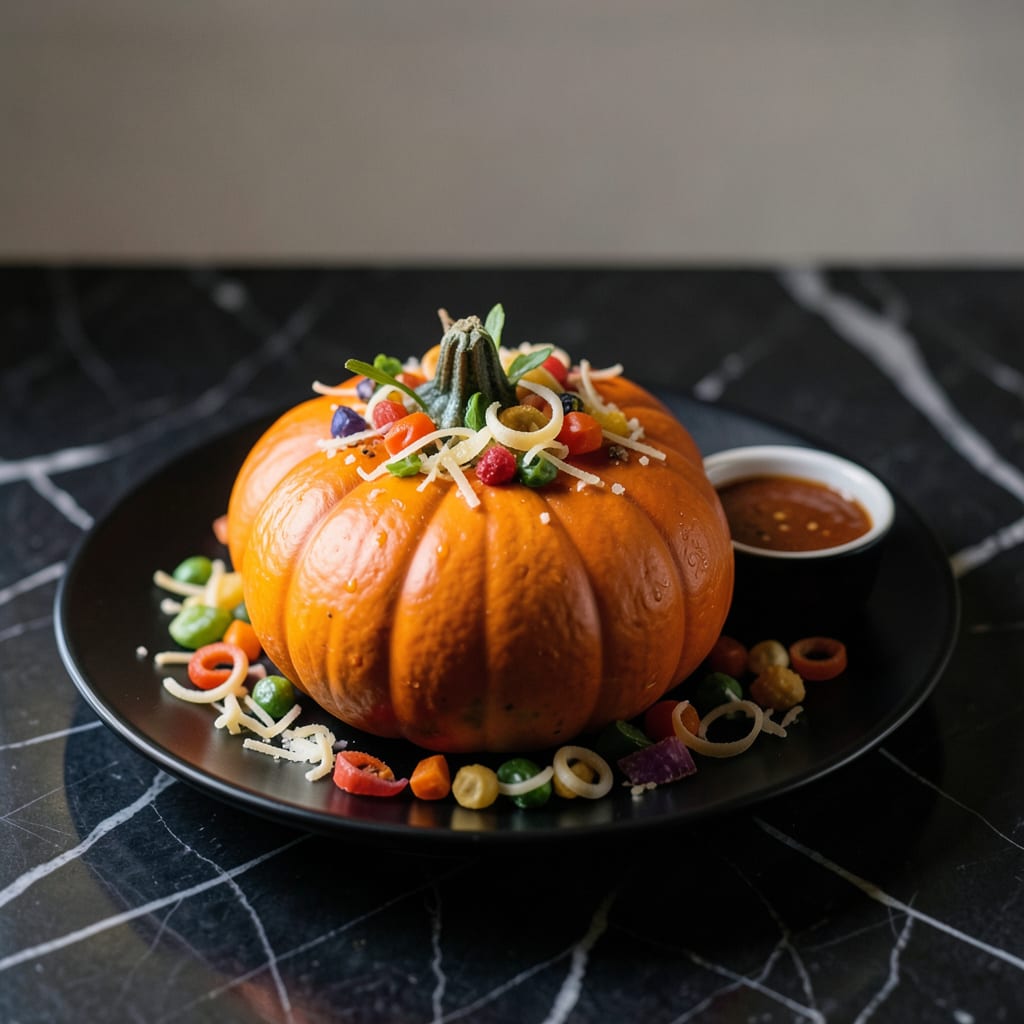
Growing 🎃 pumpkins in Arkansas requires precise timing for a successful harvest. The state’s climate and frost dates play a crucial role in determining when to plant.
In Arkansas’s USDA Zone 7b, the ideal time to plant pumpkins is in late May to early June, after the last frost date. This allows for 100-120 days of growth before the first fall frost, ensuring a bountiful harvest in September or October.
Ideal Time
Also Good
Understanding the best time to plant pumpkins in Arkansas is crucial for a successful harvest. The state’s climate and frost dates play a significant role in determining the ideal planting time. In Arkansas’s USDA Zone 7b, the last frost date is typically around April 15, and the first frost date is around October 15.
Pumpkins require 100-120 days to mature. Therefore, the ideal time to plant pumpkins in Arkansas is in late May to early June, after the last frost date. This allows the plants to grow and mature before the first fall frost.
By planting at the right time and following best practices, Arkansas gardeners can enjoy a bountiful harvest of delicious pumpkins. The state’s frost-free days and warm summer months provide ideal conditions for pumpkin cultivation.
It’s essential to wait until the soil has warmed up to at least 60°F before planting pumpkin seeds. This usually occurs in late May, making it the perfect time to start planting.
Arkansas’s climate allows for a relatively long growing season, making it possible to grow a variety of pumpkin types. From small decorative pumpkins to large carving pumpkins, gardeners can choose the variety that suits their needs.
In addition to the ideal planting time, gardeners should also consider factors like soil quality, sunlight, and watering when growing pumpkins. By providing the right conditions, gardeners can ensure a healthy and productive pumpkin patch.
Pumpkins are a warm-season crop that thrives in full sun and well-drained soil. They require consistent moisture, especially during the fruiting stage. Gardeners should aim to provide about 1 inch of water per week, either through rainfall or irrigation.
By understanding the optimal planting times and providing the right conditions, Arkansas gardeners can enjoy a successful pumpkin harvest. Whether you’re growing pumpkins for decoration or for cooking, following these guidelines will help you achieve a bountiful harvest.
In summary, the key to successful pumpkin cultivation in Arkansas is to plant at the right time and provide the right conditions. By doing so, gardeners can enjoy a rewarding harvest of delicious and healthy pumpkins.
Several factors affect pumpkin planting in Arkansas, including temperature, soil conditions, and regional variations. Understanding these factors is crucial for a successful harvest 🎃.
Pumpkins thrive in warm temperatures between 65°F and 95°F. Temperatures below 60°F can slow down growth, while temperatures above 100°F can cause stress to the plants.
Pumpkin seeds germinate best in soil temperatures between 70°F and 90°F. Use a soil thermometer to check the temperature before planting.
Soil quality is another critical factor in pumpkin cultivation. Pumpkins prefer well-drained soil rich in organic matter. Adding compost or well-rotted manure can improve soil fertility and structure.
Regional variations in climate and soil conditions can also impact pumpkin planting in Arkansas. Gardeners in different regions should be aware of their local frost dates and weather patterns to adjust their planting schedule accordingly.
In addition to these factors, gardeners should also consider sunlight and watering when growing pumpkins. Pumpkins require full sun and consistent moisture, especially during the fruiting stage 🌟.
By understanding these factors and taking steps to optimize growing conditions, Arkansas gardeners can enjoy a successful pumpkin harvest. Whether you’re growing pumpkins for decoration or for cooking, following these guidelines will help you achieve a bountiful harvest 🍂.
In summary, the key to successful pumpkin cultivation in Arkansas is to understand the factors that affect planting and provide the right conditions for growth. By doing so, gardeners can enjoy a rewarding harvest of delicious and healthy pumpkins.
Growing pumpkins in Arkansas requires careful planning and attention to detail. To achieve a successful harvest, gardeners should follow best practices for planting, maintaining, and harvesting pumpkins in the state’s climate.
Here are some key tips for successful pumpkin cultivation:
Select pumpkin varieties that mature within 100-120 days, suitable for Arkansas’s climate.
Ensure the soil is well-drained and rich in organic matter. Add compost or well-rotted manure to improve soil fertility.
Pumpkins require full sun and consistent moisture, especially during the fruiting stage. Aim for about 1 inch of water per week.
By following these tips and understanding the specific needs of pumpkin cultivation in Arkansas, gardeners can enjoy a bountiful harvest of delicious and healthy pumpkins 🎃.
Successful pumpkin cultivation also involves monitoring for pests and diseases, and taking action promptly if necessary. Regularly inspect your plants and be prepared to use organic or integrated pest management methods as needed.
With the right care and attention, growing pumpkins in Arkansas can be a rewarding experience, providing a delicious and nutritious harvest for your family and friends.
Pumpkin seeds germinate best in soil temperatures between 70°F and 90°F. Use a soil thermometer to check the temperature before planting. This ensures optimal germination and growth.
Pumpkins require consistent moisture, especially during the fruiting stage. Aim for about 1 inch of water per week, either through rainfall or irrigation. Adjust based on weather conditions to prevent overwatering.
Yes, you can grow pumpkins in containers, but choose a large enough container (at least 5-gallon capacity) and ensure it has good drainage. Use a well-draining potting mix and provide full sun for optimal growth.
Check for readiness by looking for a hard rind and a dry stem. The fruit should also be fully colored. Avoid harvesting pumpkins with soft spots or green stems.
📖 See Also
When to Plant Sweet Potatoes in NC: Expert Timing for Best Harvests
Everything you need to know about When to Plant Sweet Potatoes in NC: Expert Timing for Best Harvests.
📖 See Also
When to Plant Onions in NC: Expert Timing for Best Harvests
Everything you need to know about When to Plant Onions in NC: Expert Timing for Best Harvests.
📖 See Also
When to Plant Potatoes in NC: Expert Timing for Best Harvests
Everything you need to know about When to Plant Potatoes in NC: Expert Timing for Best Harvests.
