
Beautiful Plants For Your Interior
Beautiful Plants For Your Interior
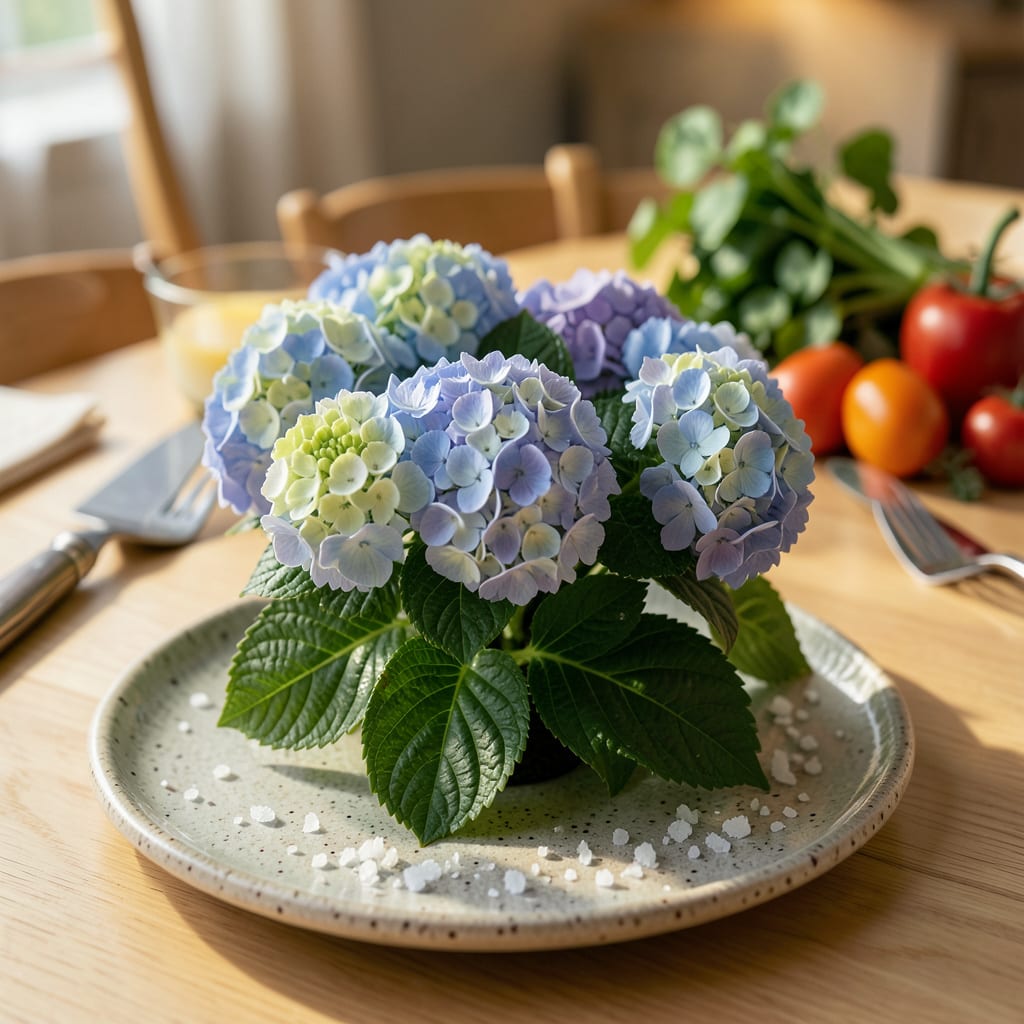
Fertilizing your Hydrangea 🌺 at the right time is crucial for vibrant blooms and healthy growth, especially in Georgia’s unique climate. As a gardener in USDA Zone 8a, timing your fertilization correctly can make all the difference.
I recommend fertilizing your Hydrangea in spring and again in fall for optimal results. This schedule helps promote healthy growth and encourages beautiful blooms throughout the growing season.

In Georgia’s USDA Zone 8a, the climate varies significantly throughout the year, impacting when you should fertilize your hydrangeas. Understanding the state’s growing seasons is crucial for optimal fertilization.
Georgia’s climate is characterized by hot summers and mild winters, with spring and fall being the most critical periods for hydrangea care. During these seasons, hydrangeas require more nutrients to support growth and blooming.
The key to successful fertilization is timing. In Georgia’s climate, early spring is ideal for the first application, as it supports new growth. A second application in early fall helps prepare the plant for winter.
When choosing a fertilizer, look for a balanced formula like 10-10-10 NPK. This provides equal parts nitrogen, phosphorus, and potassium, supporting overall plant health and development.
It’s also essential to consider the specific type of hydrangea you’re growing, as different varieties may have slightly different fertilization needs. For example, bigleaf hydrangeas may require more frequent fertilization than other types.
In addition to fertilization timing, soil preparation plays a critical role in hydrangea health. Ensure your soil is well-draining and rich in organic matter to support healthy root development.
For optimal results, fertilize in the early morning when the soil is moist. This helps prevent burning the roots and ensures the fertilizer is absorbed effectively.
While fertilizing is crucial, it’s equally important to avoid over-fertilizing. Too much fertilizer can damage your hydrangeas and lead to excessive foliage growth at the expense of blooms.
By following this fertilization schedule and considering your hydrangea’s specific needs, you can enjoy vibrant blooms and healthy growth throughout the growing season 🌺.
Regular monitoring of your hydrangea’s health and adjusting your fertilization schedule as needed will help ensure the best possible results.
For more specific advice tailored to your location within Georgia, consider consulting with a local gardening expert or extension office.
In Georgia’s USDA Zone 8a, different hydrangea varieties have specific fertilization needs. Understanding these requirements is crucial for optimal blooming and plant health 🌺.
I recommend checking the specific type of hydrangea you’re growing, as bigleaf, panicle, and smooth hydrangeas have different fertilization requirements. For example, bigleaf hydrangeas require more frequent fertilization than other types.
When fertilizing, be sure to follow the manufacturer’s instructions for application rates. Over-fertilizing can damage your hydrangeas and lead to excessive foliage growth at the expense of blooms.
It’s also essential to consider soil conditions when fertilizing. Hydrangeas prefer well-draining soil rich in organic matter. Adding compost or well-rotted manure can help improve soil fertility and structure.
By following these fertilization guidelines for your specific hydrangea type, you can enjoy vibrant blooms and healthy growth throughout the growing season 🌺.
Regular monitoring of your hydrangea’s health and adjusting your fertilization schedule as needed will help ensure the best possible results.
For more specific advice tailored to your location within Georgia, consider consulting with a local gardening expert or extension office.
Fertilizing hydrangeas in Georgia requires more than just timing – it involves understanding the right techniques and avoiding common mistakes. By following these additional tips, you can ensure your hydrangeas receive the nutrients they need for optimal growth and blooming 🌺.
Ensure your soil is well-draining and rich in organic matter. Adding compost or well-rotted manure can significantly improve soil fertility and structure.
When fertilizing hydrangeas, it’s crucial to avoid over-fertilizing. Too much fertilizer can lead to excessive foliage growth at the expense of blooms, and may even damage the plant. Always follow the manufacturer’s instructions for application rates.
The type of fertilizer you use is also important. A balanced fertilizer (10-10-10 NPK) is generally recommended for hydrangeas, as it provides equal parts nitrogen, phosphorus, and potassium. This balanced formula supports overall plant health and development.
In addition to fertilization, proper watering is essential for hydrangea health. Hydrangeas prefer consistent moisture, especially during the growing season. Water your plants regularly, but avoid overwatering, which can lead to root rot.
By combining proper fertilization techniques with good soil preparation and watering practices, you can enjoy vibrant blooms and healthy growth from your hydrangeas throughout the growing season 🌺.
In Georgia, it’s best to fertilize hydrangeas in early spring and again in early fall. This schedule supports new growth and helps prepare the plant for winter. For optimal results, use a balanced fertilizer (10-10-10 NPK).
Fertilize your hydrangeas every 4-6 weeks during the growing season. Start in March and continue through July or August, depending on the specific type of hydrangea. Be sure to follow the manufacturer’s instructions for application rates.
No, it’s best to avoid fertilizing hydrangeas during the dormant winter season. Fertilizing in winter can promote new growth that may be damaged by frost. Instead, wait until early spring when the soil can be worked.
A balanced fertilizer (10-10-10 NPK) is generally recommended for hydrangeas. This type of fertilizer provides equal parts nitrogen, phosphorus, and potassium, supporting overall plant health and development. Look for a fertilizer that’s specifically formulated for flowering shrubs.
