
Beautiful Plants For Your Interior
Beautiful Plants For Your Interior
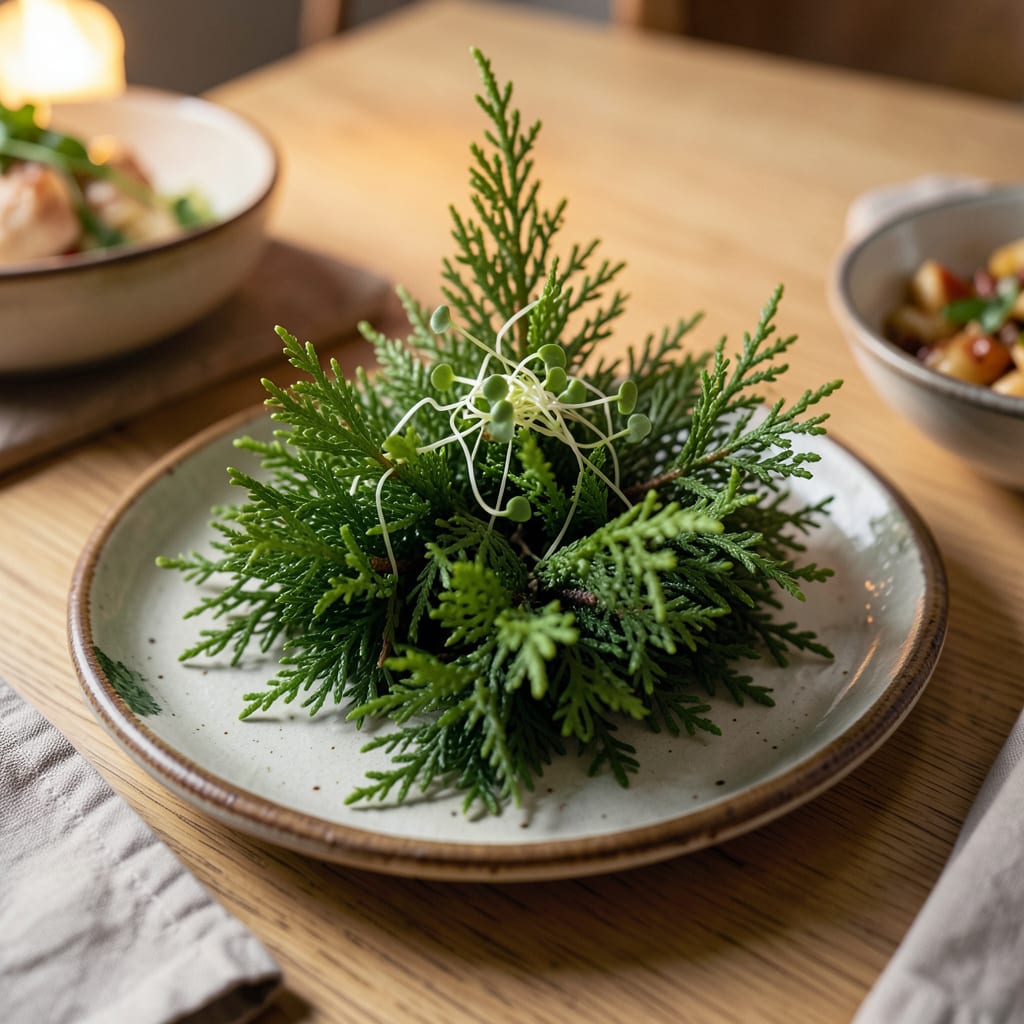
As I tend to my Green Giant Arborvitae 🌳, I’m reminded that proper fertilization is key to maintaining its rapid growth and dense foliage. Fertilizing at the right time can make all the difference in keeping these beautiful trees healthy.
In my experience, understanding when to fertilize is crucial, especially in USDA Zone 6 where I garden. Let’s explore the best times and methods to keep your Green Giant Arborvitae thriving.

I recommend fertilizing your Green Giant Arborvitae during specific times of the year to ensure optimal growth and health. The ideal fertilization schedule depends on your location and the tree’s growth cycle.
In my experience, spring and fall are the best seasons to fertilize Green Giant Arborvitae. During these periods, the tree is actively growing, and fertilization provides essential nutrients for healthy development 🌳.
The fertilizer type is crucial for Green Giant Arborvitae. I prefer a balanced, slow-release fertilizer with an NPK ratio of 10-10-10. This provides the necessary nutrients for healthy growth without causing excessive vegetative development.
When applying fertilizer, I follow the manufacturer’s instructions for the correct dosage and timing. Typically, I fertilize every 4-6 weeks during the growing season, which corresponds to spring and fall for Green Giant Arborvitae.
Soil conditions also play a significant role in determining the best fertilization schedule. If your soil is poorly draining or nutrient-deficient, you may need to adjust your fertilization strategy accordingly.
For example, if your soil test reveals low nitrogen levels, you may need to supplement with additional nitrogen-rich fertilizer. Conversely, if your soil is already rich in nutrients, you may be able to reduce the frequency or amount of fertilizer applied.
It’s also essential to consider the tree’s age and size when determining the fertilization schedule. Younger trees may require more frequent fertilization to support rapid growth, while mature trees may require less frequent applications.
In my experience, monitoring the tree’s response to fertilization is crucial. If you notice signs of nutrient deficiencies, such as yellowing foliage or stunted growth, you may need to adjust your fertilization strategy.
By following these guidelines and considering your specific climate and soil conditions, you can develop an effective fertilization schedule for your Green Giant Arborvitae, promoting healthy growth and maximizing its potential as a beautiful evergreen tree 🌳.
I always keep in mind that over-fertilization can be detrimental to the tree’s health, so it’s essential to strike the right balance. By fertilizing at the right time and using the correct type and amount of fertilizer, you can enjoy a thriving and vibrant Green Giant Arborvitae for years to come.
For more specific guidance, I recommend consulting with a local nursery or gardening expert to determine the best fertilization schedule for your particular climate and soil conditions.
I recommend using a balanced, slow-release fertilizer with an NPK ratio of 10-10-10 for Green Giant Arborvitae. This type of fertilizer provides the necessary nutrients for healthy growth without causing excessive vegetative development 🌳.
When applying fertilizer, I follow the manufacturer’s instructions for the correct dosage and timing. Typically, I fertilize every 4-6 weeks during the growing season, which corresponds to spring and fall for Green Giant Arborvitae.
Select a balanced, slow-release fertilizer with an NPK ratio of 10-10-10.
Follow the manufacturer’s instructions for dosage and timing, typically every 4-6 weeks during the growing season.
Keep an eye on your tree’s response to fertilization and adjust your strategy as needed.
Soil conditions also play a significant role in determining the best fertilization schedule. If your soil is poorly draining or nutrient-deficient, you may need to adjust your fertilization strategy accordingly.
For example, if your soil test reveals low nitrogen levels, you may need to supplement with additional nitrogen-rich fertilizer. Conversely, if your soil is already rich in nutrients, you may be able to reduce the frequency or amount of fertilizer applied.
It’s also essential to consider the tree’s age and size when determining the fertilization schedule. Younger trees may require more frequent fertilization to support rapid growth, while mature trees may require less frequent applications.
In my experience, monitoring the tree’s response to fertilization is crucial. If you notice signs of nutrient deficiencies, such as yellowing foliage or stunted growth, you may need to adjust your fertilization strategy.
By following these guidelines and considering your specific climate and soil conditions, you can develop an effective fertilization schedule for your Green Giant Arborvitae, promoting healthy growth and maximizing its potential as a beautiful evergreen tree 🌳.
When fertilizing Green Giant Arborvitae, it’s essential to avoid common mistakes that can harm the tree’s health. One of the most significant errors is over-fertilization, which can cause excessive growth, weak branches, and increased susceptibility to disease 🌳.
Avoid over-fertilizing Green Giant Arborvitae, as this can cause more harm than good. Follow the recommended dosage and timing to ensure healthy growth.
Another mistake to avoid is fertilizing at the wrong time. Fertilizing during the wrong season can disrupt the tree’s natural growth cycle and cause unnecessary stress. For Green Giant Arborvitae, it’s best to fertilize during spring and fall, when the tree is actively growing.
Nutrient imbalances can also occur if the fertilizer used is not balanced or if the soil lacks essential micronutrients. A soil test can help determine the nutrient levels in your soil, allowing you to adjust your fertilization strategy accordingly.
To avoid these common mistakes, I recommend following the manufacturer’s instructions for the recommended dosage and timing of fertilizer application. Additionally, monitoring the tree’s response to fertilization and adjusting your strategy as needed can help prevent potential problems.
By being aware of these common fertilization mistakes and taking steps to avoid them, you can help ensure the health and well-being of your Green Giant Arborvitae, promoting healthy growth and maximizing its potential as a beautiful evergreen tree 🌳.
Fertilize your Green Giant Arborvitae in spring and fall for optimal growth. These periods support active growth and provide essential nutrients for healthy development .
Fertilize every 4-6 weeks during the growing season, which is typically spring and fall. Follow the manufacturer’s instructions for the correct dosage and timing .
A balanced, slow-release fertilizer with an NPK ratio of 10-10-10 is recommended. This type provides necessary nutrients for healthy growth without causing excessive vegetative development .
While you can fertilize in summer, it’s recommended to do light feeding during this time. Heavy fertilization can cause excessive growth, making the tree more susceptible to disease and pests .
📖 See Also
6 Best Pond Pumps for a Healthy and Beautiful Water Feature
Everything you need to know about 6 Best Pond Pumps for a Healthy and Beautiful Water Feature.
