
Beautiful Plants For Your Interior
Beautiful Plants For Your Interior
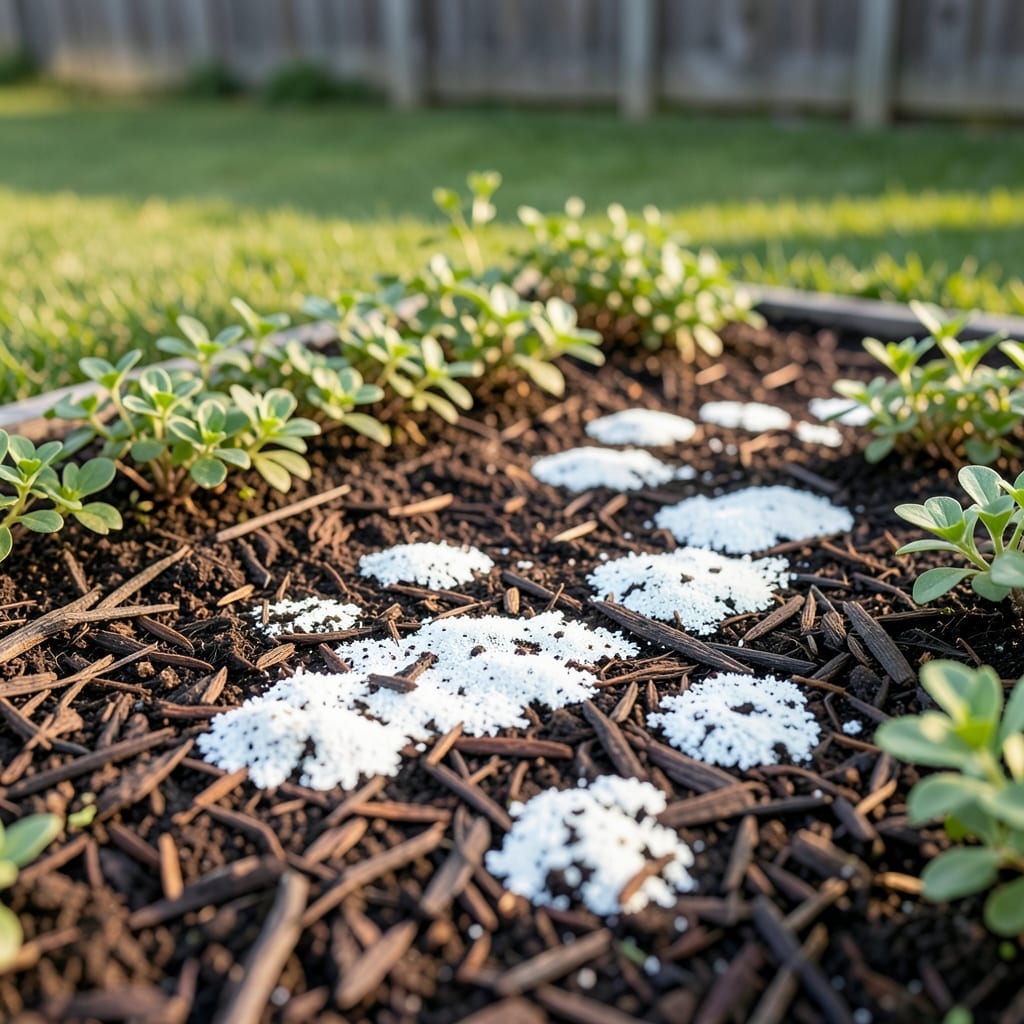
White mold on mulch is typically a harmless saprophytic fungus breaking down organic matter. It appears in warm, moist conditions but doesn’t harm plants. Remove affected mulch and improve airflow to prevent spread.
This natural process is part of how forests decompose—beneficial fungi help break down wood and leaves into nutrients. 🌟 In your garden, it signals excess moisture or compacted layers, which can be fixed by turning the mulch and letting it dry. I’ve seen cases where simply reducing watering or thinning the layer solved the issue without chemicals.
💡 In This Article
White mold thrives due to the perfect storm of decomposing organic material, moisture, and warmth. Mulch creates an ideal habitat because it retains water and provides a constant food source for saprophytic fungi. These organisms naturally break down wood and plant debris, recycling nutrients back into the soil.
The process begins when fungal spores, always present in the air, land on damp mulch. At temperatures between 60-80°F, they germinate and spread rapidly across the surface. High humidity above 80% or poor air circulation accelerates growth, forming the white, web-like mycelium you see.
This is why you often notice it after rain or in shaded, poorly ventilated garden areas. 🌟
Interestingly, this fungus plays a vital ecological role. It’s nature’s way of decomposing dead plant material, similar to how leaf litter breaks down in forests. The white strands are actually the fungal threads that secrete enzymes to digest complex organic compounds in the wood chips.
While beneficial in nature, in your garden it can become problematic if it spreads to living plants. The mold itself won’t harm healthy plants, but excessive growth may indicate conditions that could foster plant diseases. This happens most often when mulch layers exceed 3-4 inches or when it’s piled directly against plant stems.
You’ll often find it more prevalent with wood chip mulches compared to straw or pine needles. Hardwood mulches break down faster, providing more immediate food for fungi. The type of wood matters too—cedar and cypress contain natural fungicides that resist mold growth longer than oak or maple. ✨
No, white mold is typically a harmless saprophytic fungus that breaks down organic matter. It won’t harm healthy plants, but excessive growth may indicate conditions that could foster plant diseases.
Maintain proper mulch depth (under 3 inches) and keep it 2-3 inches away from plant stems. Water in the morning so surfaces dry by evening, and turn mulch every 2-3 months for airflow.
Avoid bleach—it can harm plants and soil. Instead, use a natural solution like 1 part white vinegar to 4 parts water or sprinkle baking soda, let sit for 30 minutes, then rinse.
Yes! Hardwood mulches break down faster, providing more food for fungi. Cedar and cypress contain natural fungicides and resist mold longer than oak or maple.