
Beautiful Plants For Your Interior
Beautiful Plants For Your Interior
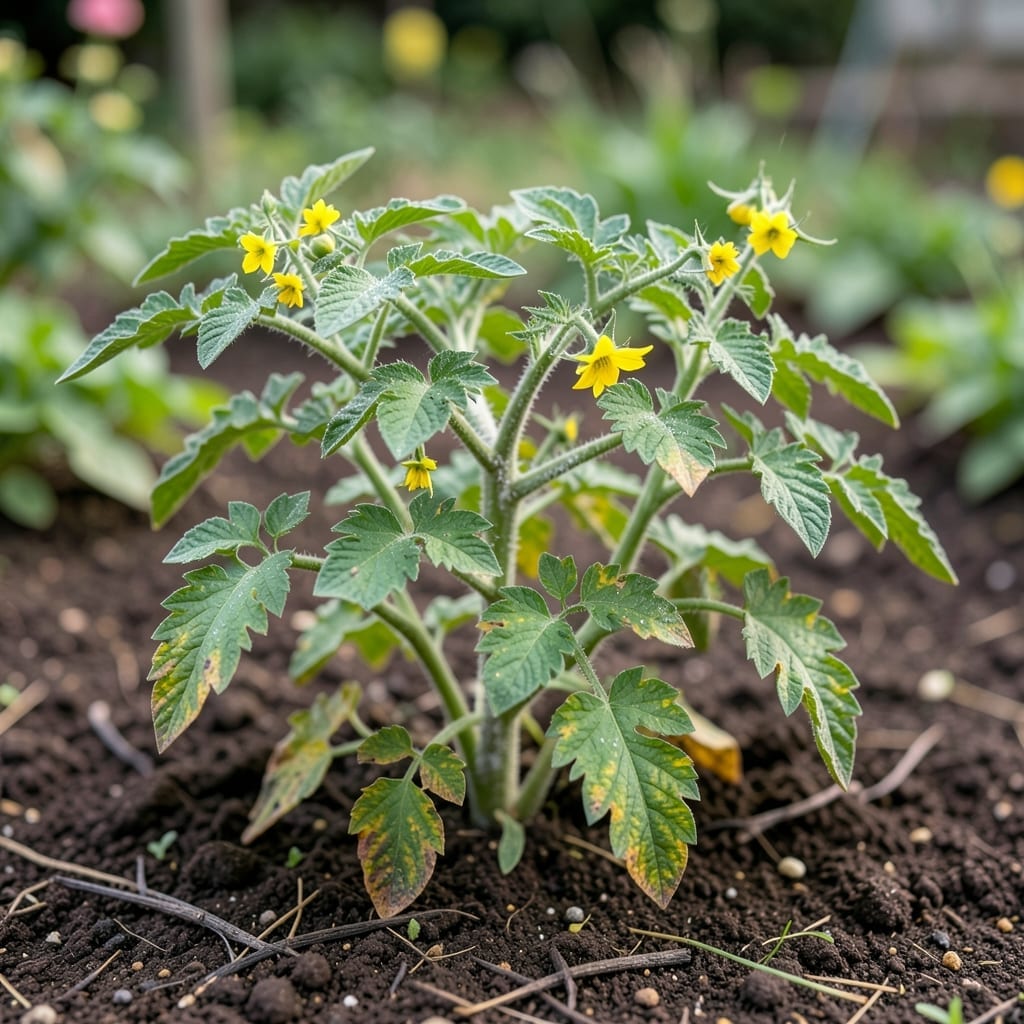
White spots on plant stems always feel like a mystery at first. I’ve seen them appear overnight, turning healthy plants into a gardener’s headache. The good news? Most causes are treatable once you know what you’re dealing with.
Whether it’s powdery mildew, mealybugs, or just mineral deposits from hard water, each leaves a distinct pattern. I learned the hard way that misdiagnosing leads to wasted time and frustrated plants. The solution is simpler than you think.
With the right approach, your plants can recover in 1-2 weeks. We’re talking targeted sprays, improved airflow, or just adjusting your watering routine. The key is acting fast before the problem spreads.
This works for houseplants, garden favorites, and even tender seedlings. Here’s how to identify and fix it for good.
White spots on plant stems often signal underlying issues that require prompt attention. Below are the most common causes, explained with actionable insights.
Fungi like Powdery Mildew or Sclerotinia thrive in humid, poorly ventilated conditions. These pathogens produce white, powdery or cottony growths on stems, often spreading from infected soil or neighboring plants. Prevent spread by improving airflow, reducing leaf wetness, and applying copper-based fungicides.
Mealybugs, scale insects, and spider mites leave white, waxy residues or egg sacs on stems. These pests weaken plants by sucking sap, and their secretions can promote sooty mold. Treat infestations with insecticidal soap or neem oil, and isolate affected plants to avoid contamination.
Hard water or excessive fertilizer use can cause white, crusty mineral deposits (e.g., calcium or magnesium) on stems. This is common in hydroponic systems or areas with high tap water alkalinity. Flush the soil with distilled water or switch to a balanced, water-soluble fertilizer.
Intense sunlight or sudden temperature swings can cause edema—tiny white blisters on stems due to ruptured plant cells. This often occurs in greenhouse settings with poor climate control. Adjust lighting and maintain consistent humidity to prevent stress.
Foliage contact with pesticides, herbicides, or even hard water sprays can leave white stains. Always follow label instructions and rinse plants after treatment to avoid phytotoxicity.
Here’s how to tackle white spots on plant stems based on the underlying cause, along with prevention tips to keep your plants healthy and thriving.
Remove affected stems to prevent spreading, then apply a copper-based fungicide or neem oil. Space plants properly to improve airflow, and water at the base to keep foliage dry. Prevention tip: 💡 Avoid overhead watering and prune regularly to reduce humidity.
Wipe stems with a soap-water solution (1 tsp mild soap per quart of water) to eliminate pests like mealybugs or spider mites. For severe cases, use insecticidal soap or neem oil. Prevention tip: ✨ Inspect plants weekly and introduce beneficial insects like ladybugs.
Move plants to a shadier spot or use shade cloth to protect them from intense sunlight. If growing indoors, keep them away from hot windows. Prevention tip: 🌡️ Gradually acclimate plants to brighter light to avoid shock.
Leach excess minerals by running water through the soil for 5–10 minutes. Switch to filtered or distilled water if tap water is high in salts. Prevention tip: 🎯 Use a balanced fertilizer and avoid over-fertilizing.
Cut off infected stems with sterilized pruners and discard them (do not compost). Disinfect tools with rubbing alcohol between cuts. Prevention tip: 🔥 Avoid working with wet plants to limit bacterial spread.
Not always. They can be mineral deposits from hard water or even harmless edema from environmental stress.
Pests leave waxy or cottony residues, while fungi create powdery or moldy patches. Use a magnifying glass for close inspection.
If caused by pests or fungi, yes. Isolate affected plants and treat immediately to prevent contamination.
Yes! A soap-water solution works for pests, and neem oil can tackle both pests and fungi effectively.