
Beautiful Plants For Your Interior
Beautiful Plants For Your Interior
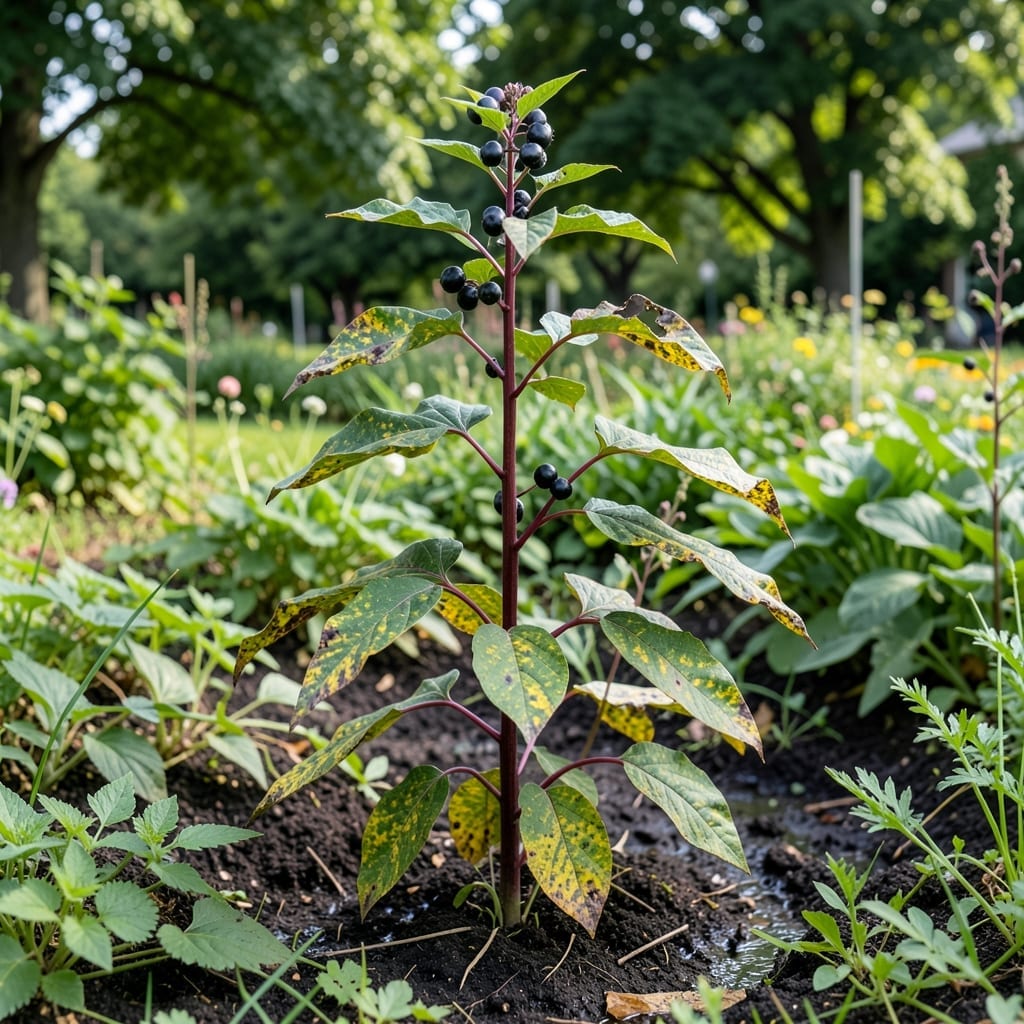
Yellow mottling on leaves caught my attention first. 🌿 Pokeweed mosaic virus sneaks in silently, turning vibrant green foliage into a patchwork of sickly yellow and green.
It spreads through aphids and contaminated tools, hitting tomatoes, peppers, and other nightshades hardest. I lost a third of my tomato crop one season before learning to spot the early warning signs.
Organic management starts with removal—pull infected plants immediately and don’t compost them. Then focus on prevention: control aphids, disinfect tools, and rotate crops.
Your garden can bounce back. The key is acting fast and staying vigilant through the growing season.
The pokeweed mosaic virus primarily spreads through specific vectors and environmental conditions. Understanding these causes can help in preventing its occurrence.
The most common cause is transmission by aphids, particularly the Myzus persicae (green peach aphid). These insects acquire the virus by feeding on infected plants and then spread it to healthy ones during subsequent feedings. The virus can persist in aphids for short periods, making them efficient vectors.
Using contaminated tools, seeds, or plant cuttings can introduce the virus to uninfected plants. The virus can survive in plant debris, so improper sanitation practices, such as not sterilizing gardening tools, can lead to its spread.
Warm, humid environments favor the rapid multiplication of aphids, increasing the likelihood of virus transmission. Additionally, stressed plants due to drought or poor soil conditions are more susceptible to infection.
Weeds like pokeweed act as reservoirs for the virus. When aphids feed on these weeds, they can pick up the virus and transfer it to cultivated crops, making weed management crucial in prevention.
Dealing with pokeweed mosaic virus requires a mix of immediate action and long-term prevention. Here’s how to tackle each cause and keep your garden healthy.
If you spot mosaic patterns, yellowing, or stunted growth, pull and destroy infected plants immediately. Do not compost them—burn or bag them to prevent the virus from spreading. Sanitize tools with rubbing alcohol after handling to avoid contamination.
The virus often spreads via aphids and leafhoppers. Introduce beneficial insects like ladybugs or lacewings to naturally reduce pest populations. For severe infestations, use neem oil or insecticidal soap, applying in the early morning or late evening for best results.
Prevent future outbreaks by choosing virus-resistant plant varieties. Check with local nurseries or agricultural extensions for species known to fend off mosaic viruses. Rotate crops yearly to disrupt the virus’s lifecycle.
The virus can linger on pruners, shovels, and even your hands. Clean tools with a 10% bleach solution or rubbing alcohol between uses. Wash your hands thoroughly after handling plants to avoid accidental transmission.
Prevention Tip: 🌿 Keep your garden weeds-free, as pokeweed and other hosts can harbor the virus. Mulch around plants to deter insect vectors and reduce soil-borne infections.
Look for yellow mottling or mosaic patterns on leaves, stunted growth, or curled foliage. Symptoms often appear 2-3 weeks after infection. Early detection is key to preventing spread.
Yes, it can overwinter in plant debris or perennial weeds like pokeweed. Always remove and destroy infected material in fall to reduce next season’s risk.
No, there’s no cure. Remove and destroy infected plants immediately to protect the rest of your garden. Sanitize tools afterward to avoid contamination.
Use row covers to block aphids, plant resistant varieties, and maintain healthy soil. Companion planting with repellent herbs like basil can also help.