
Beautiful Plants For Your Interior
Beautiful Plants For Your Interior

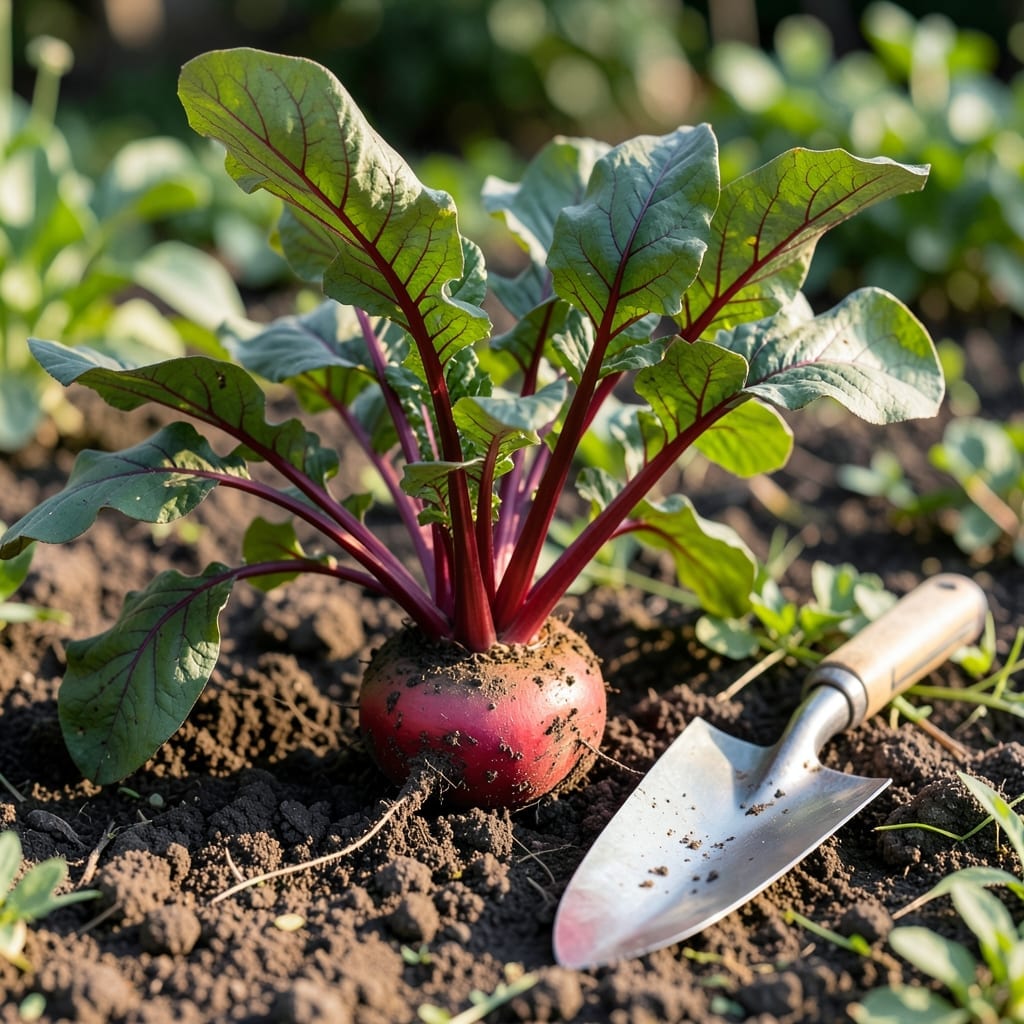
💥 Quick Answer Yes, beetroot can turn urine pink or red due to betalain pigments not fully broken down during digestion, a harmless condition called beeturia that affects about 10-14% of people. This happens because the vibrant compounds in beets…
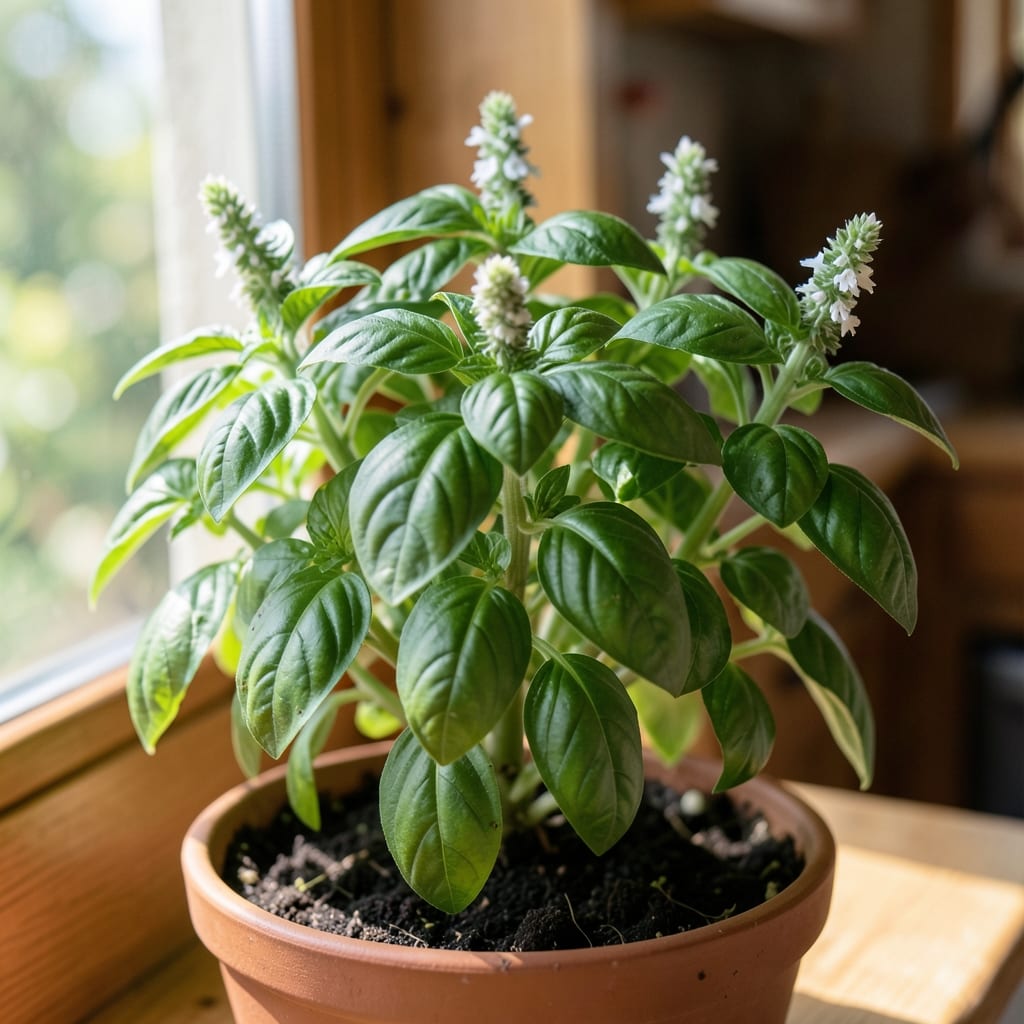
💥 Quick Answer Basil is a warm-weather annual and typically cannot survive freezing temperatures. In most climates, it dies back in winter, but you can extend its life by moving potted plants indoors or protecting them from frost. As a…

💥 Quick Answer Yes, some bees can appear red, including the red mason bee and certain tropical species. Their color comes from natural pigments in their exoskeletons, not from external factors like pollen or flowers. What’s fascinating is how these…
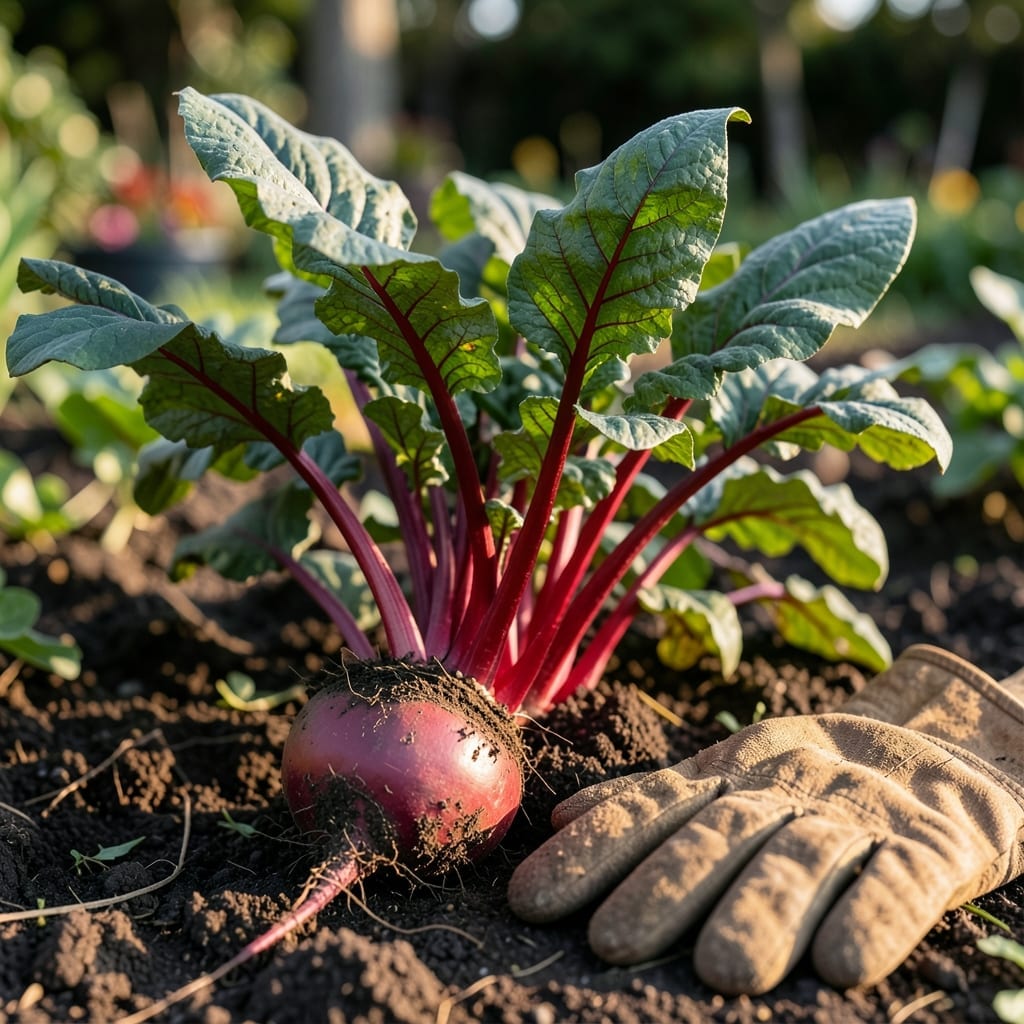
💥 Quick Answer Yes, beetroot can turn urine pink or red due to betalain pigments, which are harmless and pass through the body unprocessed in some individuals. This color change, called beeturia, happens because some people’s digestive systems don’t fully…
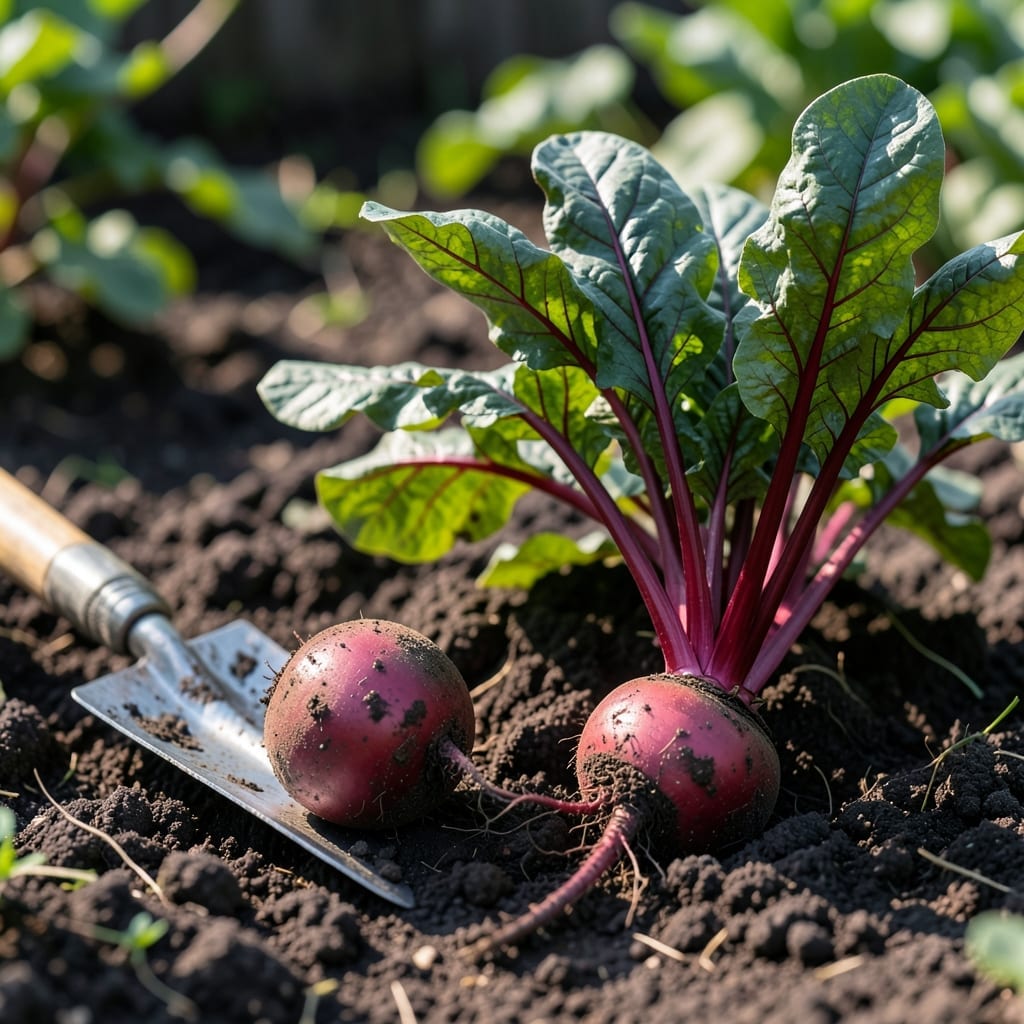
💥 Quick Answer Yes, beetroot can turn urine pink or red due to betalain pigments, which are harmless and pass through the body unchanged in some individuals. This happens because about 10-15% of people have a genetic variation that prevents…
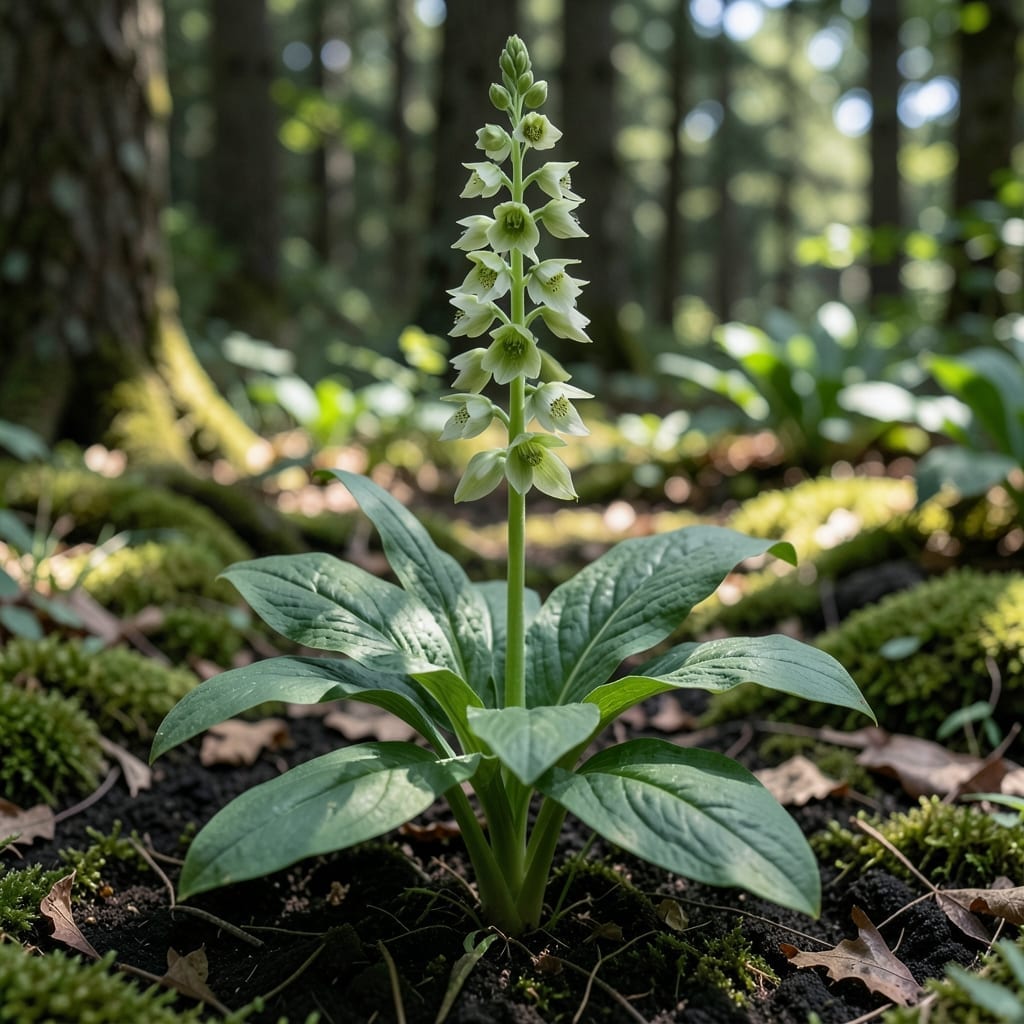
💥 Quick Answer Broad-leaved helleborine is considered invasive in some regions, spreading aggressively in wooded areas and outcompeting native plants due to its adaptability and lack of natural predators. I’ve seen this plant thrive in shaded forests where native species…
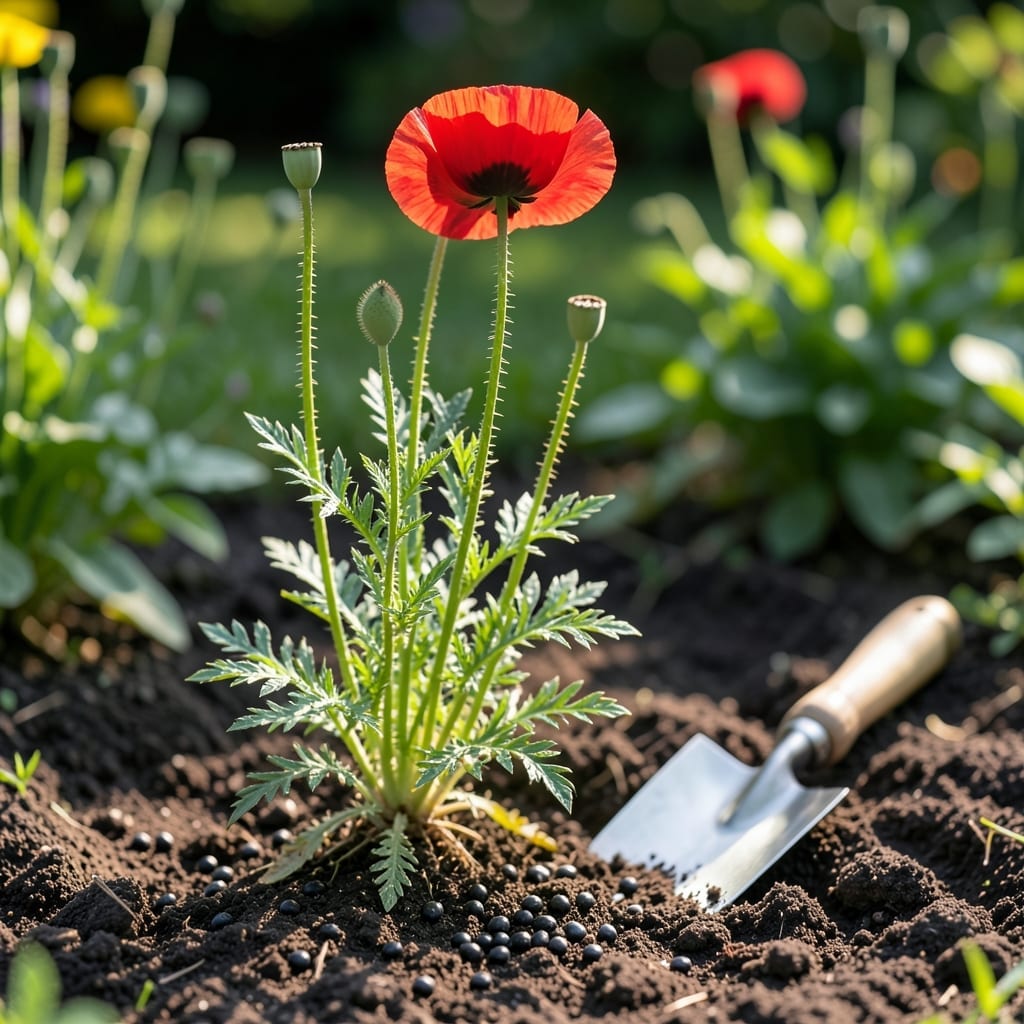
💥 Quick Answer For optimal poppy growth, plant seeds in well-draining, slightly alkaline soil during early spring or fall. Ensure full sun exposure and moderate watering, avoiding over-saturation to prevent root rot. I’ve found poppies thrive when their delicate roots…
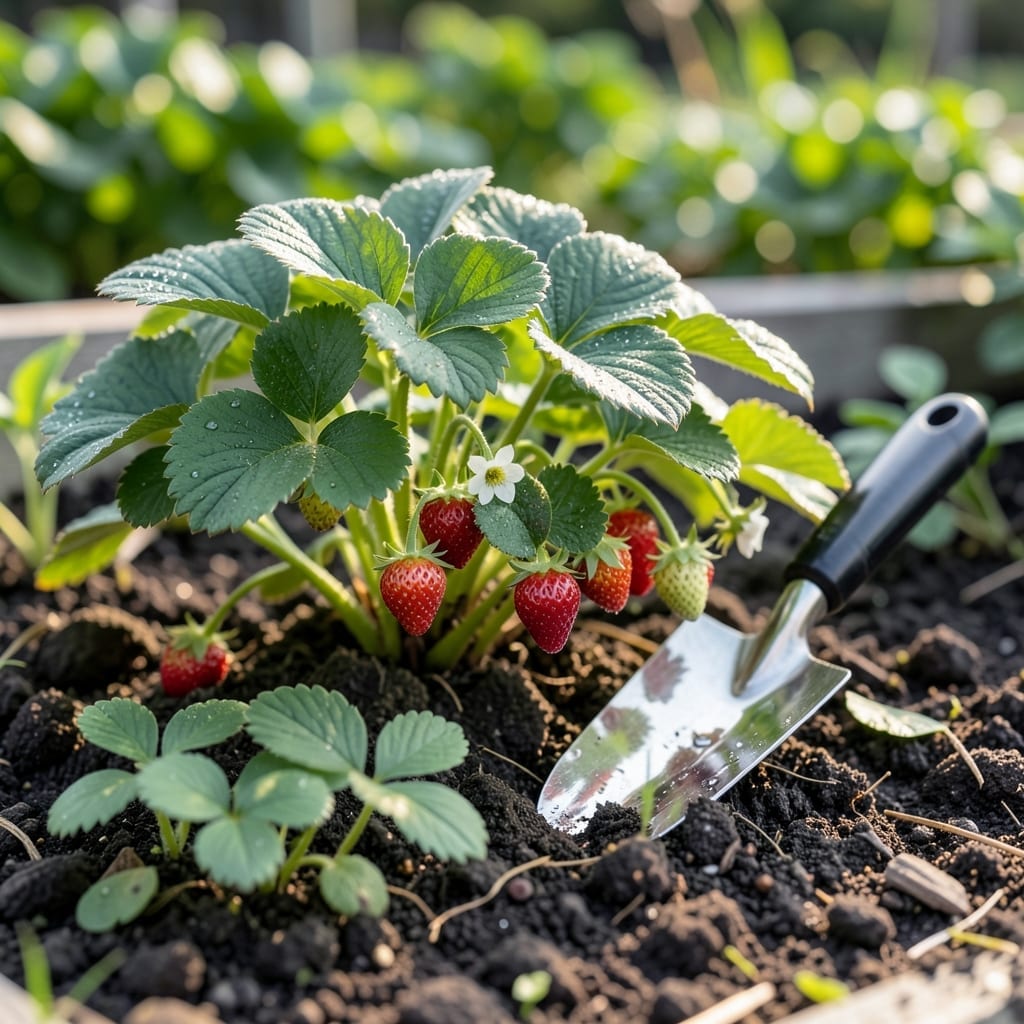
💥 Quick Answer Plant strawberries in early spring or fall for best results. Spring planting yields fruit the following year, while fall planting establishes roots before winter for an earlier harvest. I’ve found that timing directly impacts root strength and…
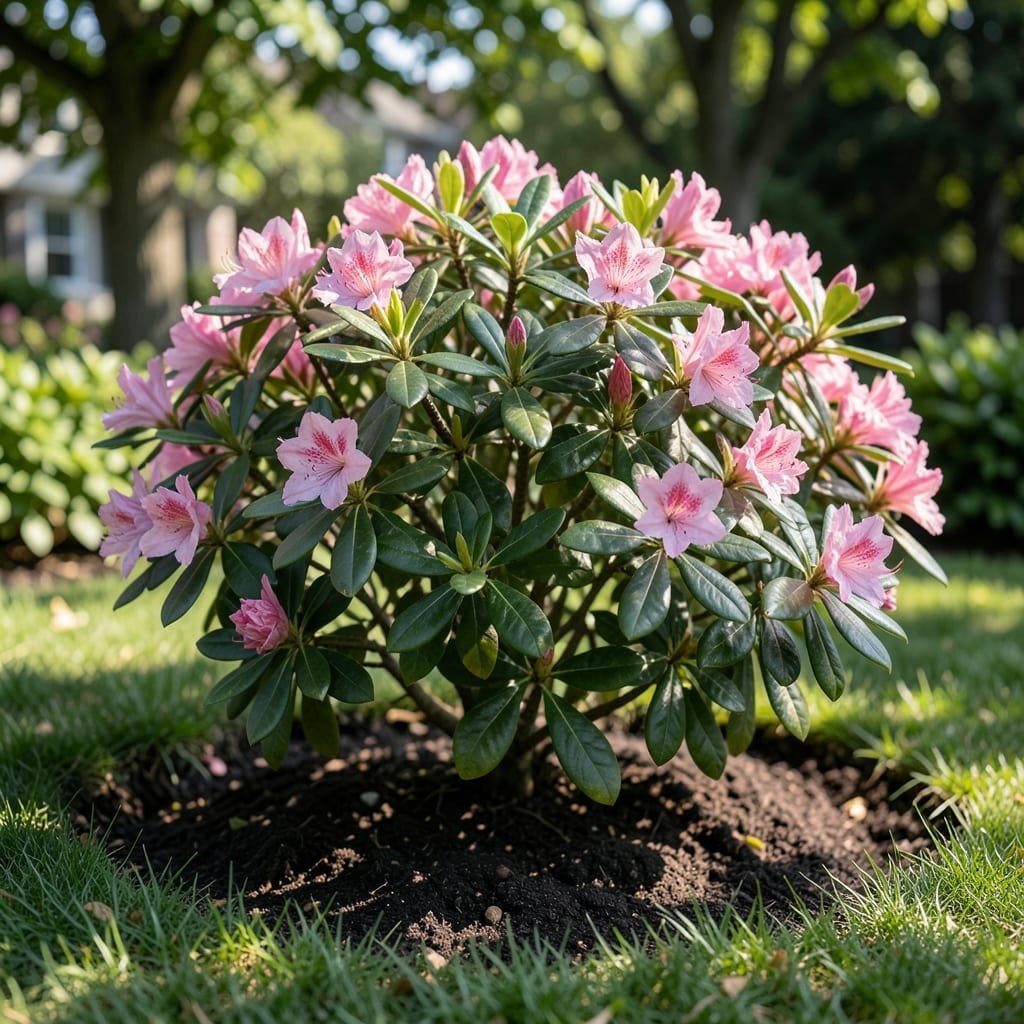
💥 Quick Answer Azaleas thrive in USDA zones 6-9 with partial shade and well-draining, acidic soil rich in organic matter. Avoid full sun or soggy, alkaline conditions for optimal growth. I’ve found these shrubs do best under tall trees where…
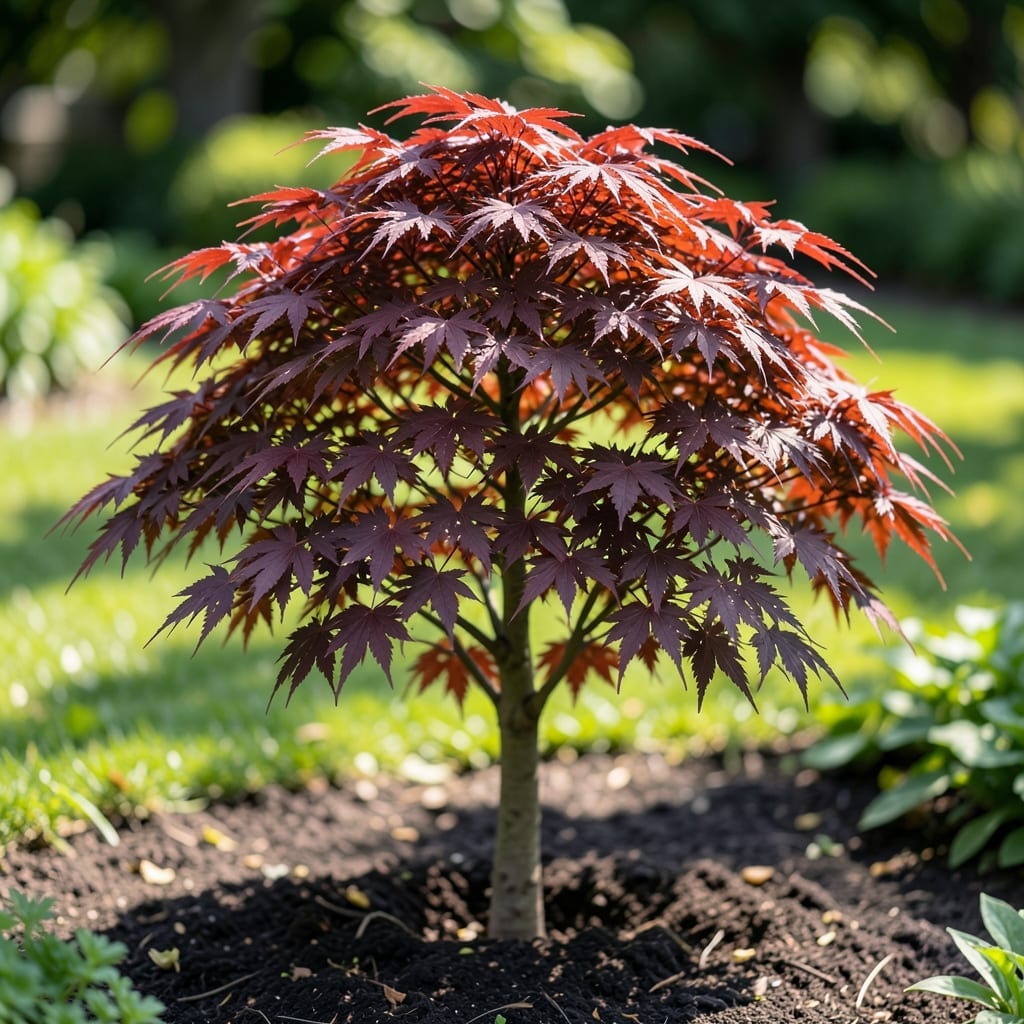
💥 Quick Answer Bloodgood Japanese maples grow slowly, typically adding 6 to 12 inches in height per year under ideal conditions. They reach a mature size of 15 to 20 feet tall and 10 to 15 feet wide in about…