
Beautiful Plants For Your Interior
Beautiful Plants For Your Interior
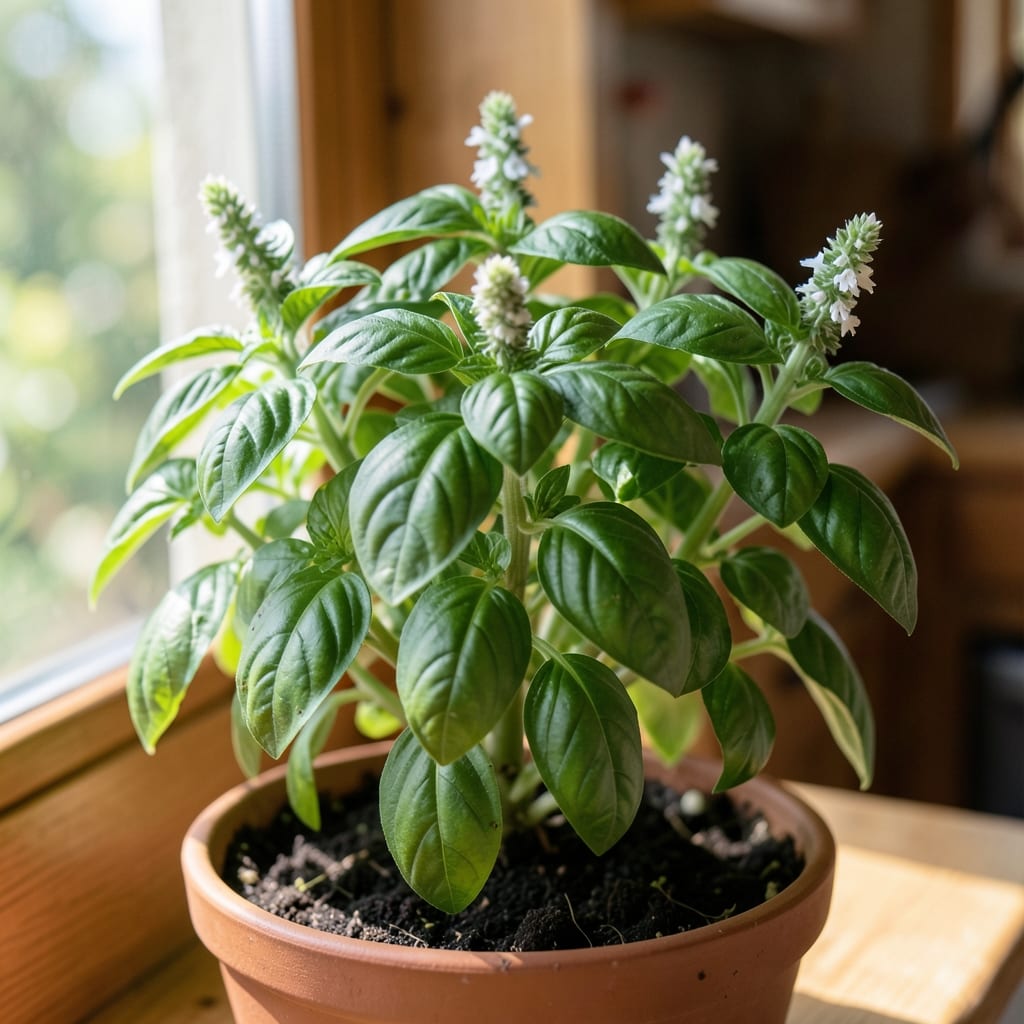
Basil is a warm-weather annual and typically cannot survive freezing temperatures. In most climates, it dies back in winter, but you can extend its life by moving potted plants indoors or protecting them from frost.
As a tropical native, basil thrives in temperatures above 50°F and wilts quickly when exposed to cold drafts or frost. I’ve seen gardeners successfully overwinter plants by placing them near sunny windows or under grow lights, maintaining consistent warmth. 🔥 The key is preventing any contact with icy conditions, which can damage leaves and stems beyond recovery.
💡 In This Article
Basil originates from tropical regions of Central Africa and Southeast Asia, where temperatures rarely drop below 50°F. Its cellular structure is adapted to warm climates, with thin cell walls that rupture easily when ice crystals form. This makes the plant highly susceptible to frost damage, which disrupts its ability to transport water and nutrients. 🔥
When exposed to temperatures below 32°F, basil’s leaves turn black and mushy—a sign of frostbite. The damage occurs because water inside the plant’s cells freezes and expands, bursting the cell membranes. Even temperatures between 32°F and 50°F can stunt growth, causing leaves to wilt or drop prematurely.
The plant’s metabolism slows dramatically in cold conditions, halting photosynthesis. Without energy production, basil can’t sustain its lush foliage. This is why gardeners in cooler climates treat it as an annual, replanting each spring rather than attempting to overwinter it outdoors.
Soil temperature matters just as much as air temperature. Basil’s roots stop absorbing water effectively below 50°F, which is why container growing offers more control. You can move pots to warmer locations before cold snaps hit, giving the plant a fighting chance to survive winter’s harsh conditions. ✨
Even brief exposure to 40°F can trigger stress responses in basil, including leaf yellowing and reduced oil production—the same oils that give basil its signature aroma and flavor. This sensitivity explains why commercial growers maintain greenhouse temperatures between 70-80°F for optimal growth year-round.
Basil begins to suffer below 50°F and will die if exposed to 32°F or frost. Even brief chills can cause wilting or blackened leaves.
Yes! Move potted plants to a sunny, 70-80°F spot with 6+ hours of light daily. Use grow lights if natural light is insufficient.
Trim the top 1/3 of the plant to reduce stress and encourage bushier growth. This helps it adapt to indoor conditions.
Water sparingly—let the top 1 inch of soil dry out between waterings. Overwatering in cooler months can cause root rot.