
Beautiful Plants For Your Interior
Beautiful Plants For Your Interior
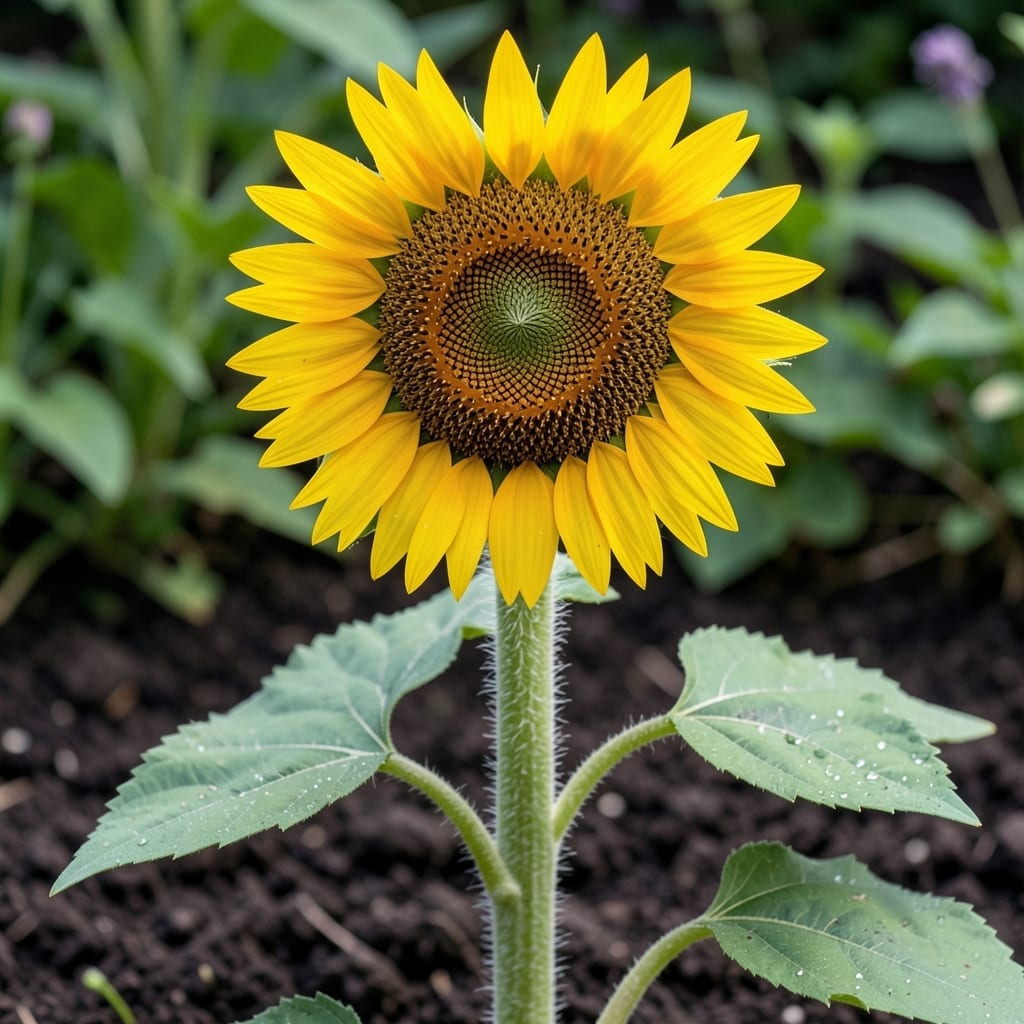
Sunflowers are not deer-proof, as deer often eat young plants and flower heads, especially in areas with high deer populations or limited food sources.
I’ve learned that deer particularly love the tender new growth and seed-rich heads of sunflowers, making them a prime target in rural or wooded gardens. 🌟 Early in the season, when other food is scarce, these plants become an irresistible snack for grazing deer. While mature sunflowers may fare better, the young shoots often suffer the most damage without proper protection.
💡 In This Article
Sunflowers pack a nutritional punch that deer find irresistible. The young shoots are tender and rich in protein (15-20% by dry weight), while the seeds contain healthy fats (40-50% oil content) that provide concentrated energy. This makes them a prime food source, especially in late summer when deer are fattening up for winter. 🔥
The flower heads are particularly vulnerable as they mature. A single sunflower can produce 1,000-2,000 seeds, each packed with calories. Deer have been observed standing on their hind legs to reach these seed-laden heads, consuming both the seeds and the surrounding bracts. This behavior peaks in August and September when seeds are plump and nutritious.
Seasonal feeding patterns explain much of this attraction. In spring and early summer, deer focus on tender new growth, which includes sunflower sprouts. As plants mature, deer shift to the leaves and stems. By late summer, the seed heads become the primary target. This progression aligns with the deer’s nutritional needs throughout the year.
What makes sunflowers especially appealing is their high palatability. Unlike some plants that develop bitter compounds as they grow, sunflowers remain tasty to deer at all stages. The plants also contain moderate moisture content (70-80%), making them easier to digest than drier forage options in the wild. ✨
The height advantage works against the plants too. Tall varieties (6-12 feet) might seem safe, but deer can reach up to 6 feet when standing on hind legs. Even dwarf sunflowers (2-3 feet) are vulnerable in areas with heavy deer pressure, as the animals will graze them to the ground.
This attraction isn’t just about nutrition—it’s also about availability. Sunflowers often grow in open, sunny areas that deer naturally frequent for grazing. The bright yellow flowers may even serve as visual beacons, drawing deer from considerable distances in search of this high-value food source. 🌟
Deer target young shoots first for their tender texture and high protein content. As plants mature, they shift to leaves, stems, and eventually seed heads in August and September.
An 8-foot tall fence is most reliable, as deer can jump 6 feet high. For smaller areas, use individual plant protectors made of chicken wire.
Yes! Plant deer-resistant herbs like rosemary or mint around sunflowers. A DIY spray of 1 gallon water, 1 cup milk, and 1 egg also deters them.
No, they’re safe and highly effective. The sudden water burst startles deer without damaging plants. Just ensure your sunflowers tolerate extra moisture.