
Beautiful Plants For Your Interior
Beautiful Plants For Your Interior
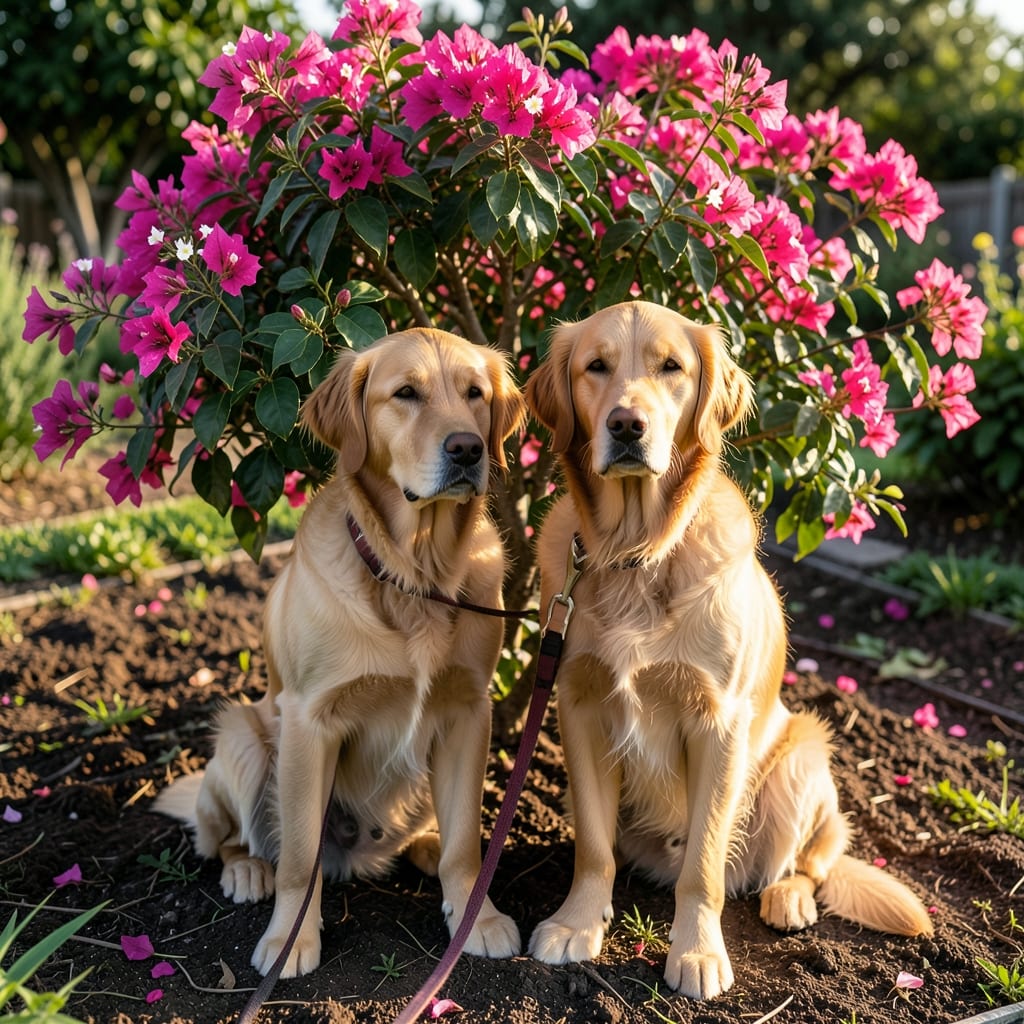
Bougainvillea is toxic to dogs, containing compounds that can cause vomiting, diarrhea, or skin irritation if ingested. Keep it out of reach and monitor pets around the plant.
As a pet owner, I’ve learned that the plant’s sap and leaves contain saponins, which are the primary culprits behind these reactions. Even small amounts can trigger discomfort, so it’s best to avoid growing it where curious pups might investigate. 🌿
If you suspect your dog has nibbled on bougainvillea, watch for excessive drooling or pawing at the mouth, as these are early signs of irritation.
💡 In This Article
The plant’s toxicity stems from saponins, natural compounds concentrated in its sap and leaves. These act as detergents, disrupting cell membranes in your dog’s digestive tract. Even 1-2 leaves can irritate the mouth and stomach lining, triggering immediate discomfort. The thorny stems pose an additional physical risk, potentially causing cuts or punctures.
Severity varies by ingestion amount. Small nibbles may cause mild symptoms like drooling or lip-smacking, while larger quantities (several leaves) can induce vomiting, diarrhea, or lethargy. In rare cases, excessive consumption might lead to more serious gastrointestinal distress requiring veterinary intervention. Always monitor for these warning signs.
What makes saponins particularly concerning is their foaming action. When ingested, they create suds-like bubbles in the stomach that can cause bloating. This explains why some dogs may appear unusually gassy or uncomfortable after exposure. The compound’s bitter taste usually deters dogs from eating large amounts, but curious pups may still sample it.
Skin contact presents another risk. If your dog brushes against bougainvillea, the sap can cause localized irritation or rashes, particularly in sensitive areas like the face or paws. The plant’s thorns may also deliver these compounds directly into the skin, increasing the likelihood of a reaction. 🌿
Veterinarians classify bougainvillea as mildly to moderately toxic. While fatal poisoning is extremely rare, the discomfort it causes can be significant. The ASPCA lists it as a plant to avoid in homes with pets, noting that most cases resolve with supportive care like hydration and bland food.
Prevention is straightforward: place bougainvillea in hanging baskets or raised planters at least 6 feet above ground. For ground planting, use physical barriers like fencing. After handling the plant, wash your hands thoroughly to avoid transferring sap to your pet’s fur or toys. ⚡
Rinse their mouth with water immediately and remove any plant pieces. Watch for drooling, vomiting, or diarrhea. Contact your vet if symptoms persist or worsen.
Yes, the leaves, sap, and stems all contain saponins. Even the thorns can cause irritation. No part is considered safe for dogs to ingest.
Use hanging baskets at least 6 feet high or install barriers. Train your dog to avoid the area with positive reinforcement. Always wash hands after handling.
Try marigolds, sunflowers, or snapdragons for vibrant colors. For climbing plants, honeysuckle or thornless roses work well.
Fatal cases are extremely rare, but it can cause significant discomfort. The ASPCA classifies it as mildly to moderately toxic. Seek vet care for severe symptoms.