
Beautiful Plants For Your Interior
Beautiful Plants For Your Interior
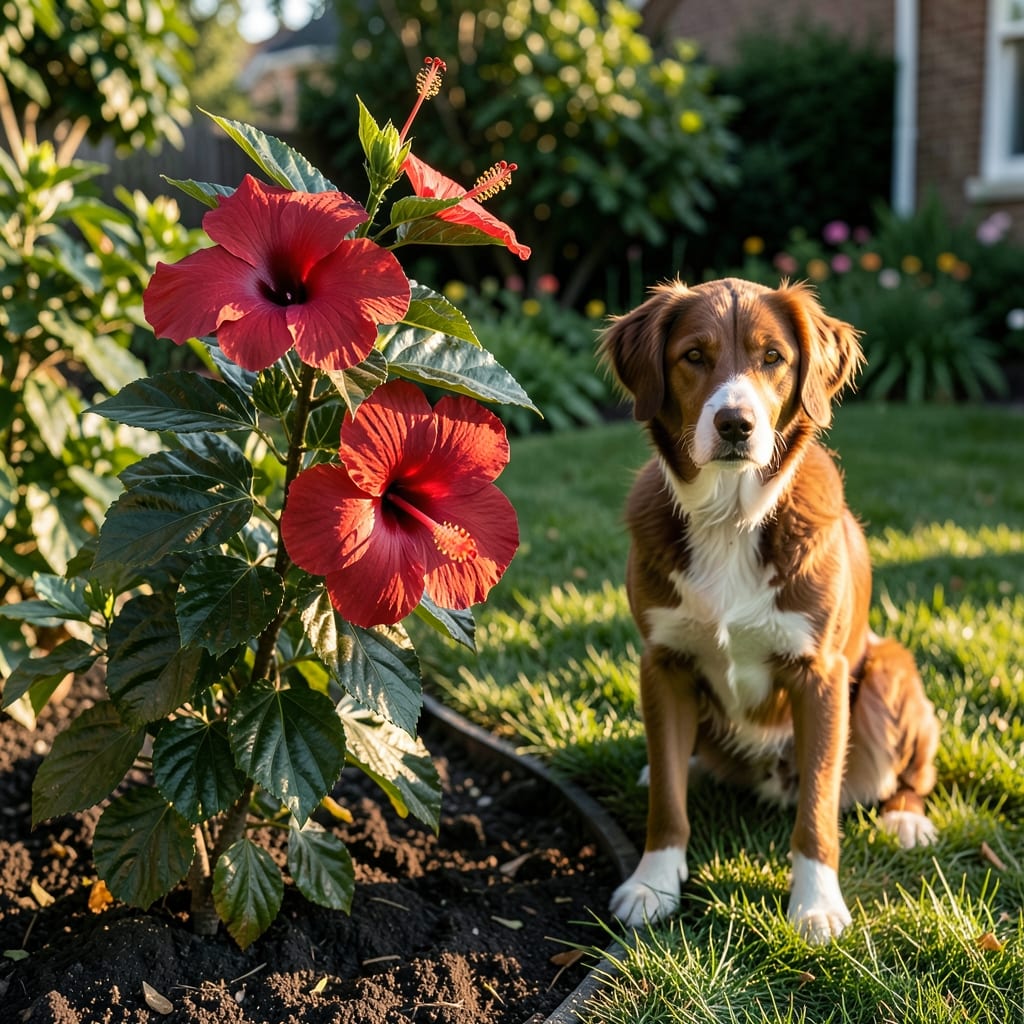
Hibiscus flowers can be toxic to dogs, causing mild to severe symptoms like vomiting, diarrhea, or lethargy. The Rosa sinensis variety is particularly dangerous due to its organic compounds.
I’ve seen cases where even small amounts triggered digestive upset in pets. These plants contain compounds that can irritate a dog’s system, particularly the gastrointestinal tract. What’s concerning is that symptoms can escalate quickly if not addressed. 🔥
Always keep these blooms out of your dog’s reach and monitor for any unusual behavior.
💡 In This Article
The primary culprits are organic compounds like anthocyanins and tannins found in high concentrations. These substances trigger gastrointestinal irritation, causing inflammation in the stomach and intestines. The Rosa sinensis variety packs the highest levels, making it the most hazardous for canine digestion. 🔥
All parts of the plant contain these compounds, but the flowers and seed pods are particularly potent. Even small amounts—as little as 1-2 flowers—can cause noticeable distress in dogs under 20 lbs. The compounds disrupt normal gut flora, leading to rapid onset of symptoms within 30-60 minutes of ingestion. ✨
What makes these compounds so problematic is their ability to bind to proteins in the digestive tract. This binding creates a toxic reaction that the dog’s body tries to expel through vomiting or diarrhea. In severe cases, the liver struggles to process these compounds, potentially leading to more systemic issues. 💫
The severity often depends on the dog’s size and the amount ingested. Larger breeds may only show mild discomfort, while smaller dogs can experience more intense reactions. The toxic threshold varies, but vets typically recommend monitoring for at least 24 hours after suspected exposure. ⚡
It’s not just the flowers—hibiscus leaves and stems contain similar compounds, though in lower concentrations. This means even chewing on fallen leaves or stems from the plant can pose a risk. The key is preventing access entirely, as there’s no safe amount for dogs to consume. 🌟
Remove any remaining plant material from their mouth immediately. Monitor for symptoms like vomiting or diarrhea. Contact your vet or the ASPCA Poison Control at (888) 426-4435 for guidance.
The Rosa sinensis (tropical hibiscus) is the most toxic due to high concentrations of anthocyanins and tannins. Even small amounts can cause severe gastrointestinal distress.
Yes, flowers, leaves, stems, and seed pods all contain harmful compounds. The flowers and seed pods have the highest toxicity levels. Keep your dog away from the entire plant.
Mild symptoms like vomiting may resolve within 24 hours. Severe cases can last 2-3 days or longer. Always consult your vet for proper treatment duration.