
Beautiful Plants For Your Interior
Beautiful Plants For Your Interior
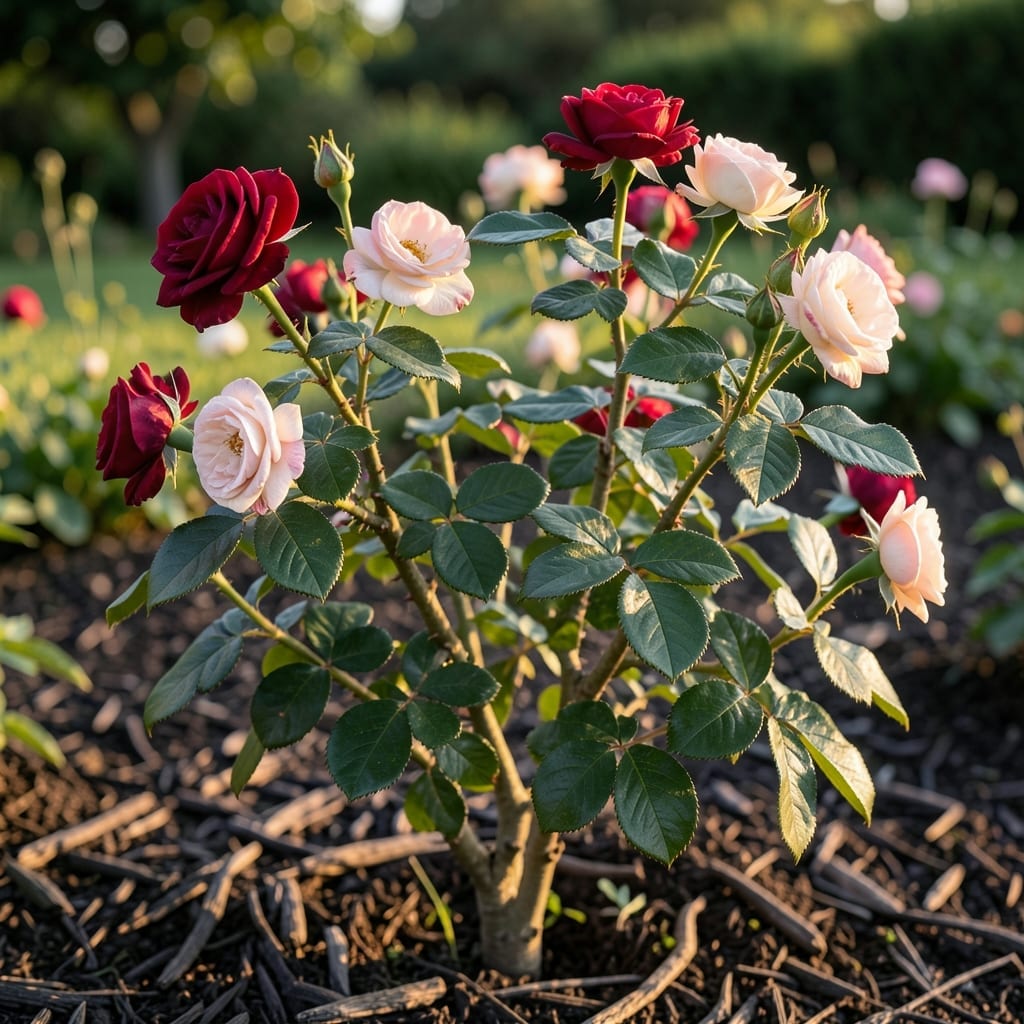
Rose leaves are non-toxic to dogs, but thorns can cause injury. The primary concern is pesticides or fertilizers on leaves, which may be harmful if ingested.
I’ve found most dogs can safely nibble rose leaves without issue, but the real danger often hides in how we care for our plants. Commercial pesticides or chemical fertilizers are the culprits that turn a harmless leaf into a risk. Even organic options can upset a dog’s stomach if consumed in large amounts. 💫
💡 In This Article
The Rosa genus contains no compounds inherently poisonous to canines. Unlike lilies or oleander, which produce cardiac glycosides or nephrotoxins, rose leaves lack these dangerous chemicals. Their cellular structure is similar to other non-toxic plants, with primary metabolites like cellulose and simple sugars that dogs can process without harm.
This is why vets often list roses as pet-safe foliage.
What makes roses unique is their thorn structure—modified stems called prickles. These aren’t toxic but can puncture a dog’s mouth, throat, or digestive tract. A 1-2 inch thorn might cause minor irritation, while longer ones (3+ inches) risk serious internal damage.
The thorns also create micro-tears where bacteria can enter, potentially leading to infections if untreated. ⚡
The real risk often comes from human intervention. Commercial rose treatments frequently contain organophosphates or neonicotinoids—chemicals that can cause neurological symptoms in dogs at doses as low as 0.1 mg/kg of body weight. Even “organic” sprays like neem oil may trigger gastrointestinal upset if ingested in quantity.
Always assume any store-bought rose has been treated unless certified organic.
Petals and hips (the fruit) follow the same safety profile as leaves. Rose hips are actually rich in vitamin C and sometimes used in dog supplements.
However, the seeds inside hips contain cyanogenic glycosides in trace amounts—enough to cause mild stomach upset if a dog eats large quantities, but not typically life-threatening for a medium-sized dog weighing 30+ lbs. 💫
For absolute safety, consider heirloom rose varieties bred before 1950, as these were cultivated without modern pesticides. Varieties like Rosa gallica or Rosa damascena are excellent choices. Their natural disease resistance means they often thrive without chemical treatments, making them ideal for homes with curious pets.
Monitor for vomiting or diarrhea, as these are the most common reactions to non-toxic plants. If your dog seems fine after 24 hours, no further action is needed. Contact your vet immediately if symptoms persist or if you suspect pesticide exposure.
Leaves, petals, and stems are non-toxic, but thorns can cause physical injury. Rose hips (the fruit) are safe in small amounts, though the seeds inside may cause mild stomach upset if eaten in large quantities. Always supervise pets around rose bushes.
Assume store-bought roses have been treated unless labeled certified organic. For homegrown roses, avoid chemical treatments if your dog has garden access. Natural alternatives like neem oil should also be used sparingly, as even these can upset a dog’s stomach.
Wheatgrass, basil, and thyme are excellent non-toxic options that dogs can safely nibble. These plants satisfy your pet’s urge to chew while providing health benefits. Always introduce new plants gradually to check for sensitivities.