
Beautiful Plants For Your Interior
Beautiful Plants For Your Interior
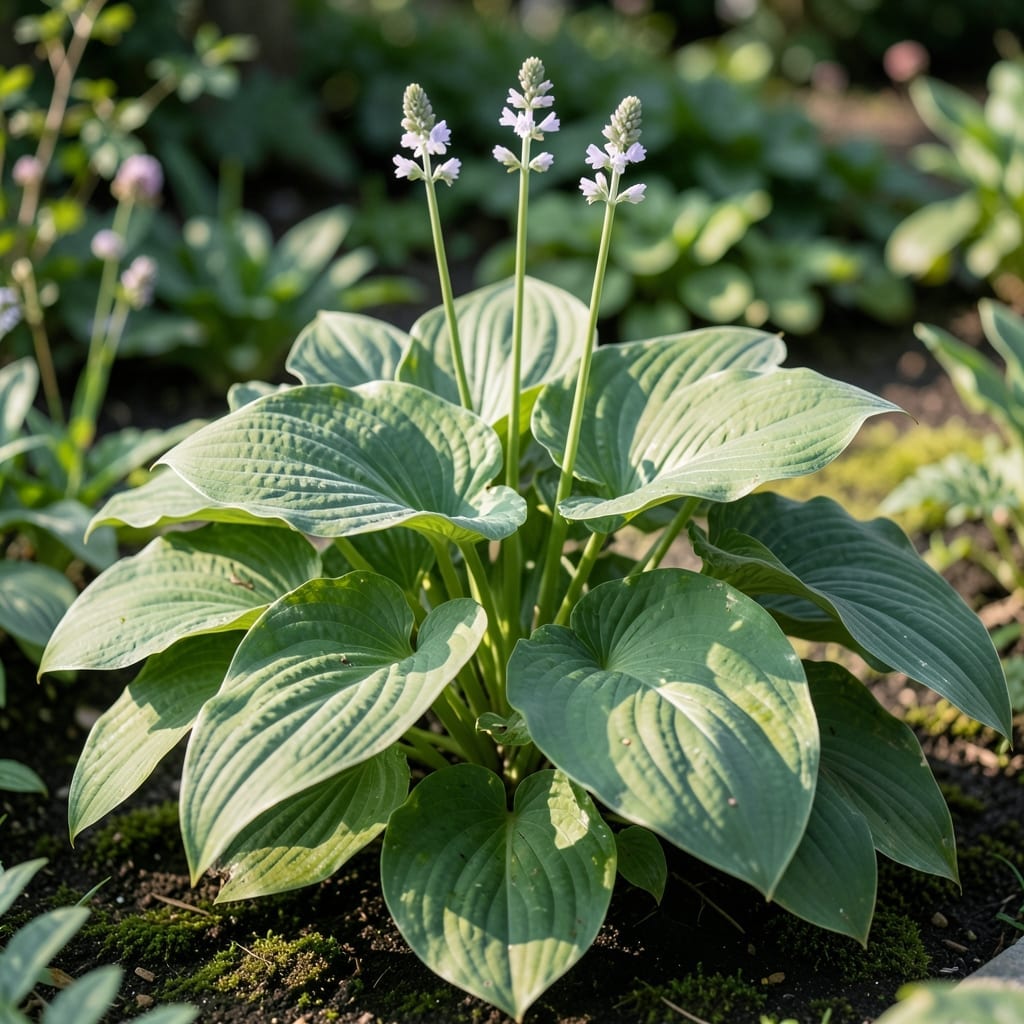
Hostas are beloved for their lush foliage and shade tolerance, but their relationship with sunlight is often misunderstood. Getting the light conditions right can mean the difference between thriving 🌿 Hosta and sad, scorched leaves.
I’ve seen too many gardeners assume these plants need full shade, only to discover some varieties actually enjoy a bit of sun. The key is knowing which types can handle it and how much is too much.
Let me walk you through the ideal light conditions for healthy growth. You’ll learn how to spot the perfect spot in your garden for these beautiful plants.

I often get asked if hosta plants enjoy sunlight. The short answer is it depends on the variety. Most hostas thrive in partial shade, but some can handle more sun than you might expect.
In my experience, blue hostas need full shade to maintain their stunning color. Meanwhile, gold or variegated varieties often tolerate—and even appreciate—morning sun. This flexibility makes hostas perfect for many garden spots.
| Variety | Ideal Light | Max Sun Tolerance |
|---|---|---|
| Blue Hostas | Full shade | 1-2 hours |
| Gold Hostas | Partial shade | 4-6 hours |
| Variegated Hostas | Partial shade | 3-4 hours |
| Green Hostas | Partial to full shade | 2-3 hours |
For best results, I recommend morning sun for sun-tolerant varieties. The gentler rays help enhance leaf color without causing sunburn. Afternoon sun is often too intense, especially in warmer climates.
If you’re planting in hotter zones, even sun-tolerant hostas may need afternoon shade. I’ve found that dappled sunlight under trees works beautifully for most varieties.
Remember that soil moisture plays a big role too. Hostas in sunnier spots will need more frequent watering to prevent their leaves from scorching. I always check the soil before watering.
Another tip: newly planted hostas need extra protection from sun. I like to use shade cloth for the first few weeks to help them acclimate to their new home.
Watch for brown edges or faded colors—these are classic signs your hosta is getting too much sun. On the flip side, weak stems or slow growth might mean it needs more light.
In my garden, I pair hostas with companion plants like ferns and astilbes that share similar light preferences. This creates a lush, layered look while keeping all my plants happy.
Don’t forget that container-grown hostas can be moved around to find the perfect light spot. I love this flexibility for experimenting with different light conditions.
☀️I always tell gardeners to watch their hostas like hawks for sun stress signs. Brown leaf edges or bleached spots usually mean your plant is getting too much direct sun, especially in hot afternoons.
On the other hand, pale leaves or weak stems often signal your hosta needs more light. In my garden, I’ve noticed these plants become leggy when starved for sunlight.
Corrective Action: Move sun-stressed plants to shade; relocate light-deprived hostas to brighter partial shade.
If you spot sunburn, act fast. I immediately move the plant to a shadier spot and increase watering to help it recover. A layer of mulch helps retain moisture too.
For light-deprived hostas, I gradually increase their sun exposure over a week. Sudden changes can shock them. Morning sun is always the safest bet for a gentle transition.
I’ve found that variegated hostas show stress first. Their white or yellow edges will scorch quickly in harsh sun. Blue hostas are more forgiving but lose their color in too much light.
Don’t forget to check your soil moisture too. Hostas in sunny spots dry out faster. I water mine deeply twice a week in summer when they’re in partial sun.
🌿