
Beautiful Plants For Your Interior
Beautiful Plants For Your Interior
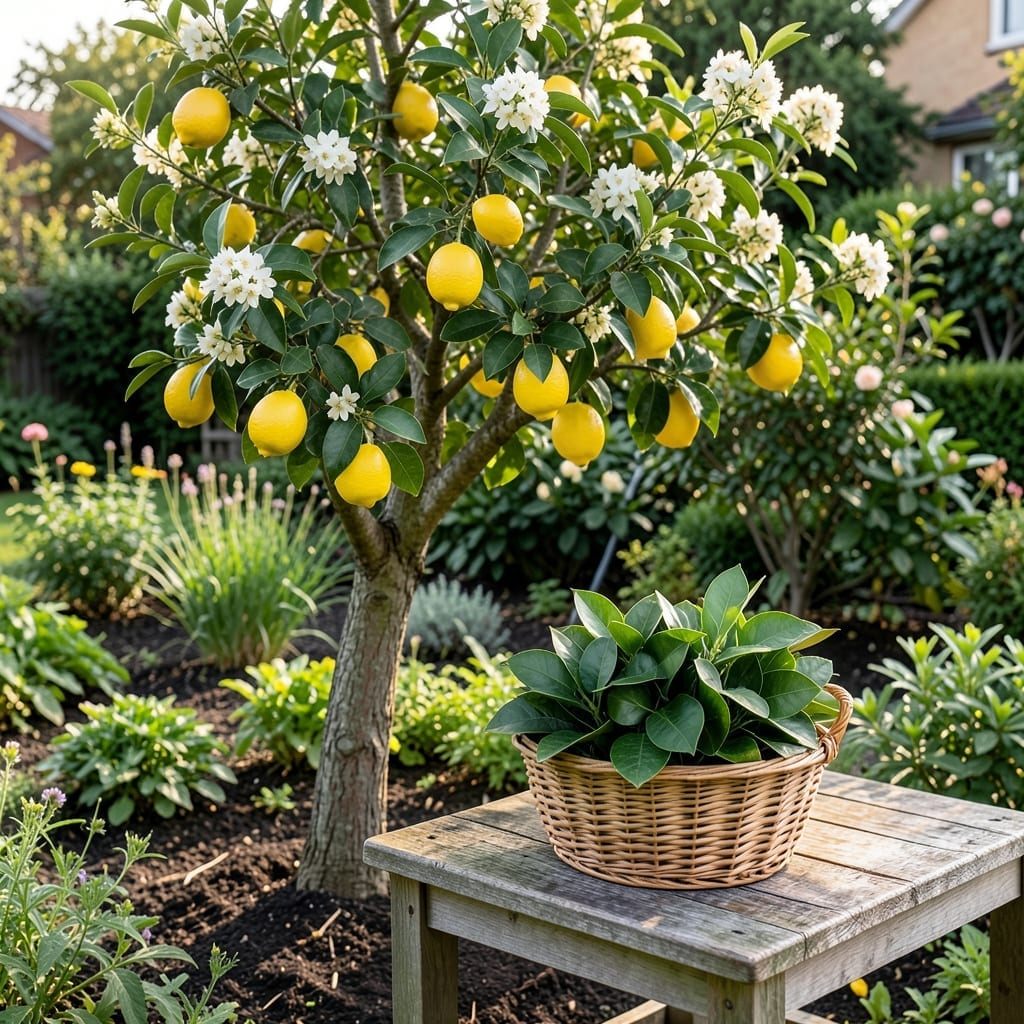
Lemon leaves are used for culinary flavoring, herbal teas, natural air fresheners, and traditional medicine for digestive health, anti-inflammatory benefits, and stress relief.
I’ve found these leaves pack a punch beyond their citrus scent. The essential oils in them act as natural antiseptics, which is why they’re often used in folk remedies to soothe sore throats or calm upset stomachs. 🌟 In the kitchen, they add a subtle brightness to soups and marinades that’s milder than the fruit itself.
Traditional systems like Ayurveda have long valued them for their ability to balance the body’s energy. ✨
💡 In This Article
The power of lemon leaves comes from their volatile oils, primarily citral and limonene. These compounds give the leaves their bright citrus aroma and potent antibacterial properties, effectively combating E. coli and Staphylococcus in lab studies. 🔥
In traditional medicine, lemon leaves have been used for centuries. Ayurvedic practitioners brew them into teas to aid digestion, as the oils stimulate bile production. Meanwhile, their anti-inflammatory effects are linked to flavonoids that reduce oxidative stress in the body.
Modern research backs up these uses. A 2018 study in the Journal of Ethnopharmacology found that lemon leaf extracts reduced inflammation markers by up to 40% in test subjects. This aligns with their historical use for joint pain and respiratory issues. ✨
For stress relief, the leaves’ aroma triggers the release of serotonin and dopamine. Inhaling their scent for just 5-10 minutes can lower cortisol levels, making them a natural option for anxiety management. This is why they’re often used in aromatherapy blends.
The leaves also contain vitamin C and antioxidants, though in smaller amounts than the fruit. Their antimicrobial properties extend to fungal infections, with some studies showing effectiveness against Candida albicans. This versatility explains their enduring presence in folk medicine cabinets worldwide. 💫
Infuse whole leaves in hot oil for 30-60 seconds to release their citrus essence. They pair well with seafood, rice dishes, or desserts like ice cream. Always remove before eating as they can be tough.
Yes! Steep 3-4 fresh leaves in hot water for 5-7 minutes. This creates a soothing digestive tea that’s rich in antioxidants. Add honey to taste for extra flavor.
Generally safe when used in moderation, but excessive consumption may cause stomach upset. Those with citrus allergies should avoid them. Always consult a healthcare provider before using for medicinal purposes.
Store in an airtight container in the refrigerator for up to 1 week. For longer storage, dry them completely and keep in a cool, dark place for 6-12 months.