
Beautiful Plants For Your Interior
Beautiful Plants For Your Interior
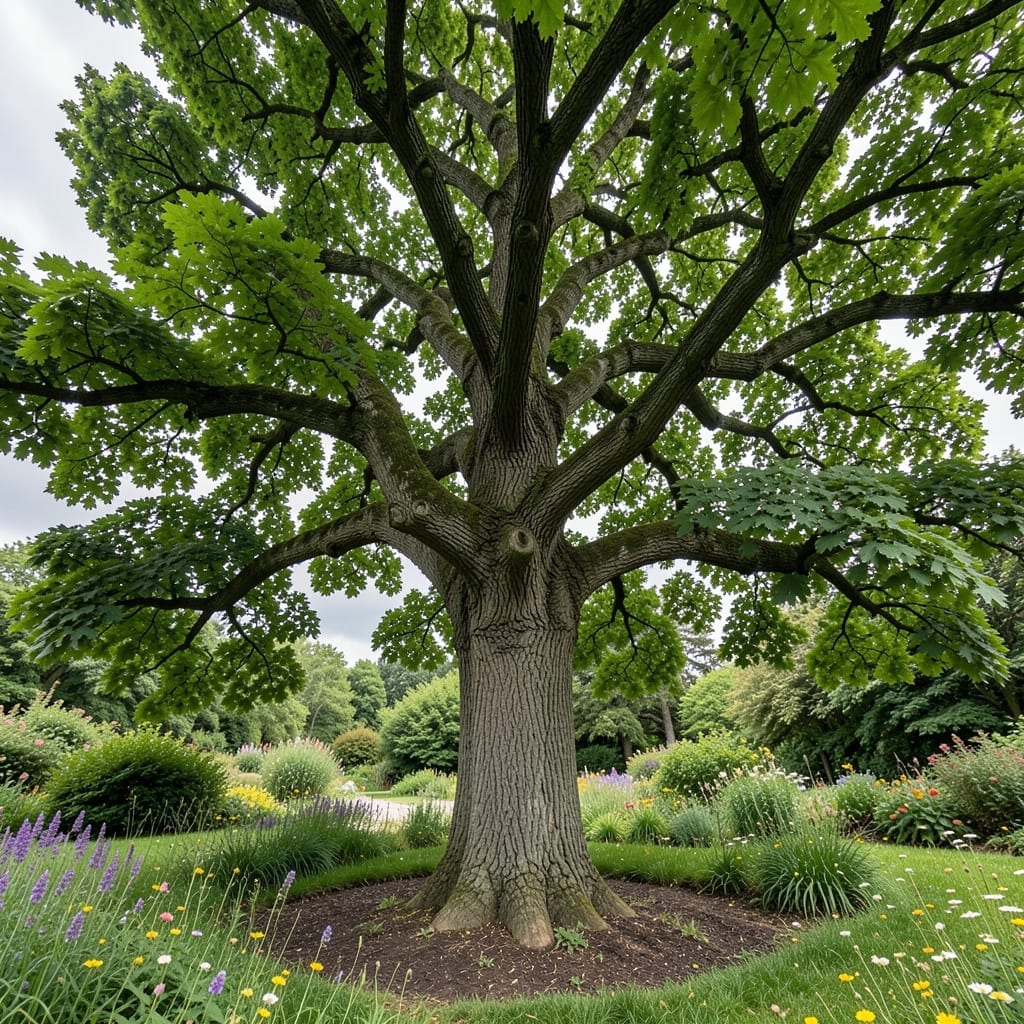
Limbs are large structural divisions of a tree, branches are smaller offshoots from limbs, and the trunk is the main woody stem supporting the entire structure.
In tree biology, the trunk serves as the central support system, channeling water and nutrients from roots to the outermost branches. Limbs, being thicker and more robust, form the primary framework for foliage and fruit growth. This hierarchy ensures efficient resource distribution and structural stability, which is crucial for a tree’s survival and growth. 🌟
Understanding these distinctions helps in proper tree care, like targeted pruning to maintain health and prevent disease spread. ✨
💡 In This Article
The trunk is the tree’s backbone, typically accounting for 40-60% of its total height. This central column consists of concentric rings visible in cross-section, each representing a year of growth. The xylem and phloem layers within transport water and nutrients upward while carrying sugars downward. 🔥
Limbs emerge from the trunk at 45-90° angles, often forming the tree’s major skeletal structure. These can grow 2-10 feet long and 4-12 inches in diameter, supporting secondary growth. Their bark is typically thicker than branches’, providing protection against environmental stressors and pests. ✨
Branches are finer extensions, usually 1-3 inches in diameter, that sprout from limbs. They bear the majority of leaves, flowers, and fruit. The angle between branch and limb is often acute (30-60°), optimizing sunlight exposure for photosynthesis. This tiered structure maximizes energy capture. 🌟
Growth patterns differ significantly between these components. Trunks grow primarily in height during the tree’s early years, while limbs and branches expand in girth and length. The vascular cambium layer just beneath the bark is responsible for this secondary growth, adding about 0.1-0.5 inches annually depending on species and conditions. ⚡
Structural integrity varies too. A mature oak trunk can support 10,000-20,000 pounds of weight, while its limbs handle 1,000-5,000 pounds. Branches are the most vulnerable, typically supporting 50-200 pounds before risking breakage. This hierarchy ensures efficient resource allocation. 💫
Look at size and origin. Limbs are thick, primary extensions from the trunk, often 4-12 inches wide. Branches are smaller offshoots from limbs, usually under 3 inches in diameter. Limbs form the tree’s skeleton, while branches bear leaves and fruit.
Multiple trunks often develop from a single root system, especially in species like crepe myrtles. This can occur naturally or from improper pruning that stimulates new growth. Each trunk shares the same vascular system, but may have slight variations in girth and height.
No, a completely broken branch won’t regrow. The tree will seal the wound with callus tissue, but the damaged branch will die. Proper pruning cuts just outside the branch collar help the tree heal faster and prevent disease entry.
Use a tree support cable or brace for limbs at risk of splitting. Install cables at 2/3 the limb’s height from the trunk, using soft padding to prevent bark damage. This redistributes weight and prevents breakage during storms.
Check mature trees at least twice yearly—once in spring and once in fall. Look for cracks, dead wood, or unusual leaning. Early detection of structural issues can prevent costly damage or tree loss.