
Beautiful Plants For Your Interior
Beautiful Plants For Your Interior
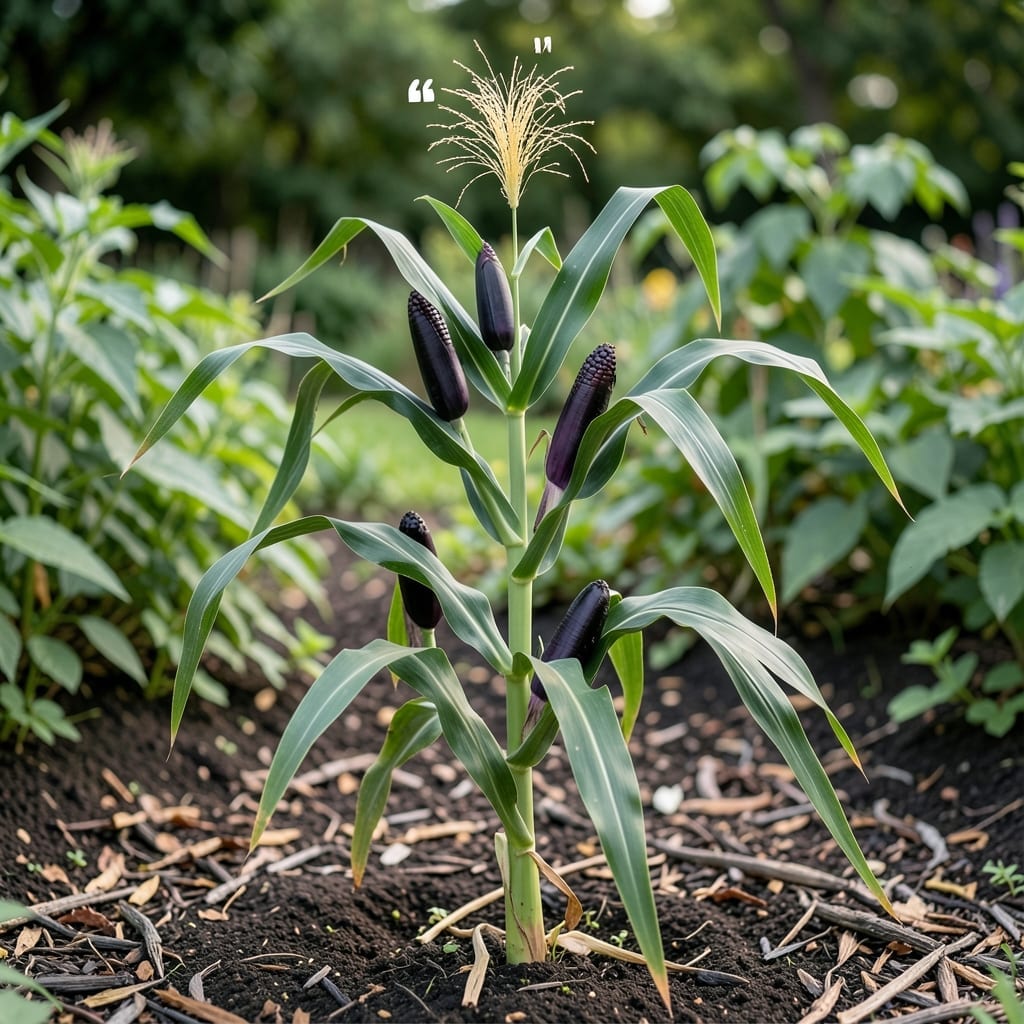
Japanese black sticky corn is susceptible to common fungal diseases like smut and rust, identifiable by dark lesions or powdery coatings on leaves and ears. Early detection improves treatment success.
I’ve noticed these crops often show signs of infection during humid, warm conditions, which create the perfect environment for spores to thrive. Dark spots on the leaves or white powdery residue are usually the first visual cues. Regular field monitoring helps catch issues before they spread to neighboring plants. ✨
💡 In This Article
This unique corn variety often falls victim to common smut caused by Ustilago maydis, which produces dark, tumor-like galls on ears and stalks. These galls rupture to release black, powdery spores that spread via wind and rain. 💫
Another frequent issue is rust disease from Puccinia sorghi, appearing as reddish-brown pustules on leaves. These pustules burst to release spores that create a powdery coating, particularly during periods of high humidity and temperatures between 68-77°F. ⚡
The fungus Exserohilum turcicum causes northern corn leaf blight, identifiable by long, elliptical, gray-green lesions. These typically measure 1-6 inches long and appear first on lower leaves before spreading upward. ✨
Environmental factors play a crucial role in disease development. Overcrowded planting reduces air circulation, while excessive nitrogen fertilization increases susceptibility. Proper field drainage is essential, as waterlogged conditions promote spore germination. 🔥
Disease progression follows a predictable pattern: spores land on leaves, germinate in moisture, penetrate plant tissues, and produce new spores within 7-14 days. This rapid cycle explains why infections can spread through an entire field in just a few weeks under ideal conditions.
Dark lesions often indicate northern corn leaf blight, caused by Exserohilum turcicum. These gray-green spots typically start on lower leaves and spread upward when conditions are humid.
Under ideal warm, humid conditions, spores can germinate and produce new spores within 7-14 days. This rapid cycle allows infections to spread through an entire crop in just a few weeks.
Never compost infected material. Always remove and destroy it immediately to prevent pathogens from overwintering in the soil and reinfecting next season’s crop.
A 1% neem oil solution sprayed weekly works well. Also consider copper-based fungicides during humid periods, especially before predicted rain events.