
Beautiful Plants For Your Interior
Beautiful Plants For Your Interior
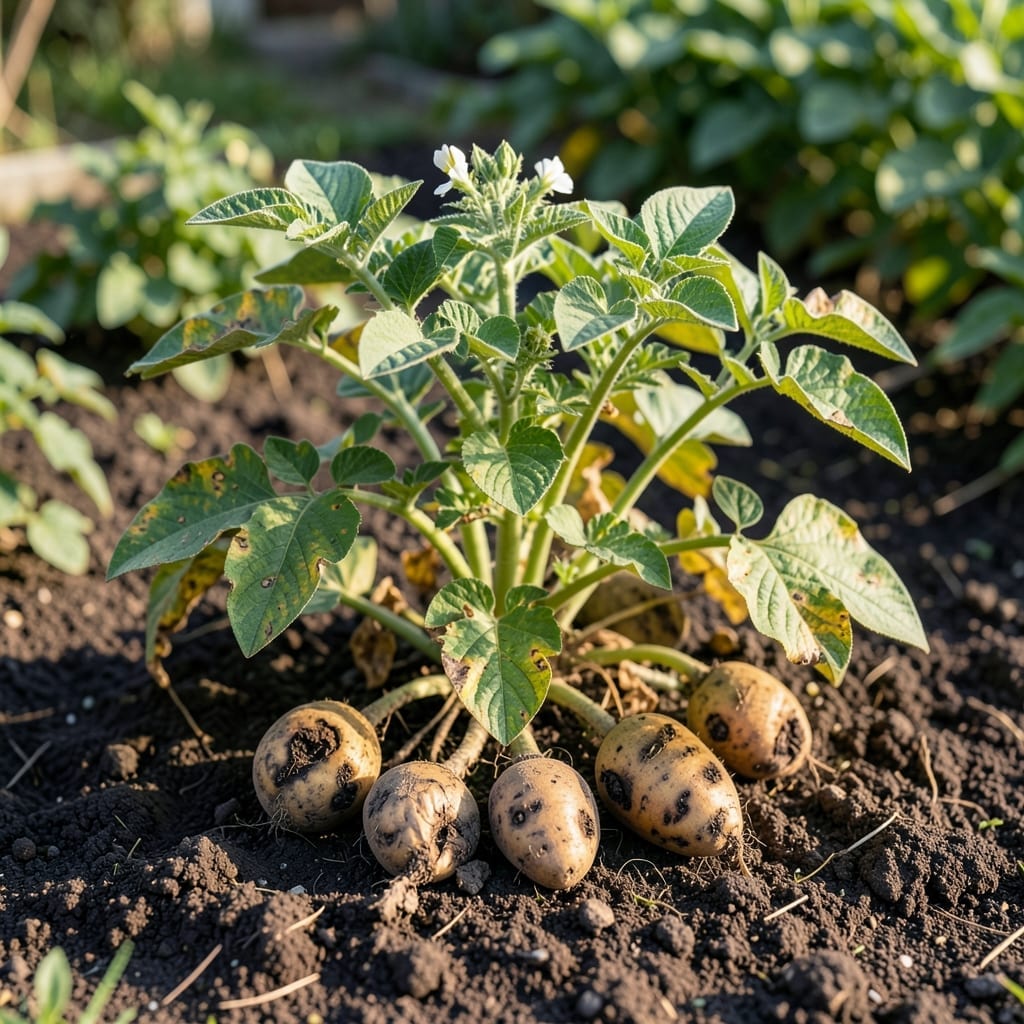
Nothing ruins a potato harvest faster than finding shriveled, mummified tubers in storage. I’ve lost entire crops to this silent thief, and it always starts with subtle signs—dry, sunken spots that spread underground before you even notice.
The culprit is usually Fusarium fungi, thriving in warm, humid conditions. It attacks through wounds or weak spots, turning firm potatoes into leathery husks. Most gardeners don’t realize the damage until it’s too late.
Prevention is simpler than you think: cure potatoes properly before storing, keep them cool and dry, and inspect for injuries. One bad spud can spoil the whole batch.
Works for all varieties, but early types seem most vulnerable. Here’s how to protect your harvest.
Potato dry rot doesn’t appear out of nowhere—it’s the result of specific environmental and biological factors. Here’s a breakdown of the primary causes:
The main culprit is Fusarium fungi, particularly Fusarium coeruleum and Fusarium sambucinum. These pathogens thrive in soil and infected plant debris, entering potatoes through wounds or bruises during harvest, handling, or storage. Once inside, they colonize the tuber, breaking down cell walls and causing the characteristic dry, sunken lesions.
Warm temperatures (above 50°F/10°C) and high humidity (over 85%) create the perfect breeding ground for Fusarium. Improper ventilation exacerbates the issue, trapping moisture and accelerating fungal growth. Even minor temperature fluctuations can stress potatoes, making them more susceptible to infection.
Bruises, cuts, or abrasions from mechanical harvesting, rough handling, or improper packing provide easy entry points for fungi. Damaged tissue also releases nutrients that attract and fuel pathogen activity. Even small, unseen injuries can lead to widespread rot in storage.
Using seed potatoes already contaminated with Fusarium ensures the disease carries over to the next crop. Infected seeds may appear healthy but harbor latent infections that emerge under stressful conditions, spreading the fungus to developing tubers.
Fusarium spores persist in soil for years, especially in fields with a history of potato dry rot. Farm equipment, storage bins, or even workers’ hands can transfer spores to healthy tubers. Without proper sanitation, the cycle of infection continues unchecked.
Tackling dry rot in potatoes starts with identifying the cause and applying the right fix. Here’s how to address each issue and prevent future outbreaks:
If dampness or poor airflow is to blame, move potatoes to a cool, dry, and well-ventilated space. Use mesh bags or crates instead of plastic to allow air circulation. Pro tip 💡: Store at 45–50°F (7–10°C) with 85–90% humidity to slow rot development.
Dry rot often spreads from infected seed potatoes. Discard any tubers showing wrinkled, sunken, or moldy spots. Always plant certified disease-free seeds from trusted suppliers. Pro tip 🎯: Inspect seeds before planting—look for firm, smooth surfaces with no blemishes.
If the soil harbors Fusarium or other fungi, avoid planting potatoes in the same spot for at least 3–4 years. Rotate with non-host crops like corn or legumes. Pro tip ✨: Solarize soil by covering it with clear plastic for 4–6 weeks to kill fungi naturally.
Bruised or cut potatoes are prime targets for dry rot. Harvest gently using a fork or hands, and avoid dropping tubers. Cure freshly dug potatoes in a dark, humid (85–90%) place at 50–60°F (10–15°C) for 1–2 weeks to toughen their skin. Pro tip 🌡️: Let them dry in a single layer—don’t pile them up!
Prevention is key 🔥: Regularly inspect stored potatoes, remove any affected tubers immediately, and sanitize storage areas with a 10% bleach solution to curb fungal growth.
Look for small, sunken spots with wrinkled skin on tubers. These areas may appear dry and leathery, often starting at wounds or bruises. Early detection is key to preventing spread.
No, discard any tubers showing signs of dry rot. The fungus can produce toxins harmful to humans. It’s better to be safe than sorry.
Store potatoes at 45–50°F (7–10°C) with 85–90% humidity. Use mesh bags for airflow and keep them in a dark, well-ventilated area.
Fusarium spores can persist for years. Rotate crops and avoid planting potatoes in the same spot for at least 3–4 years to break the cycle.