
Beautiful Plants For Your Interior
Beautiful Plants For Your Interior
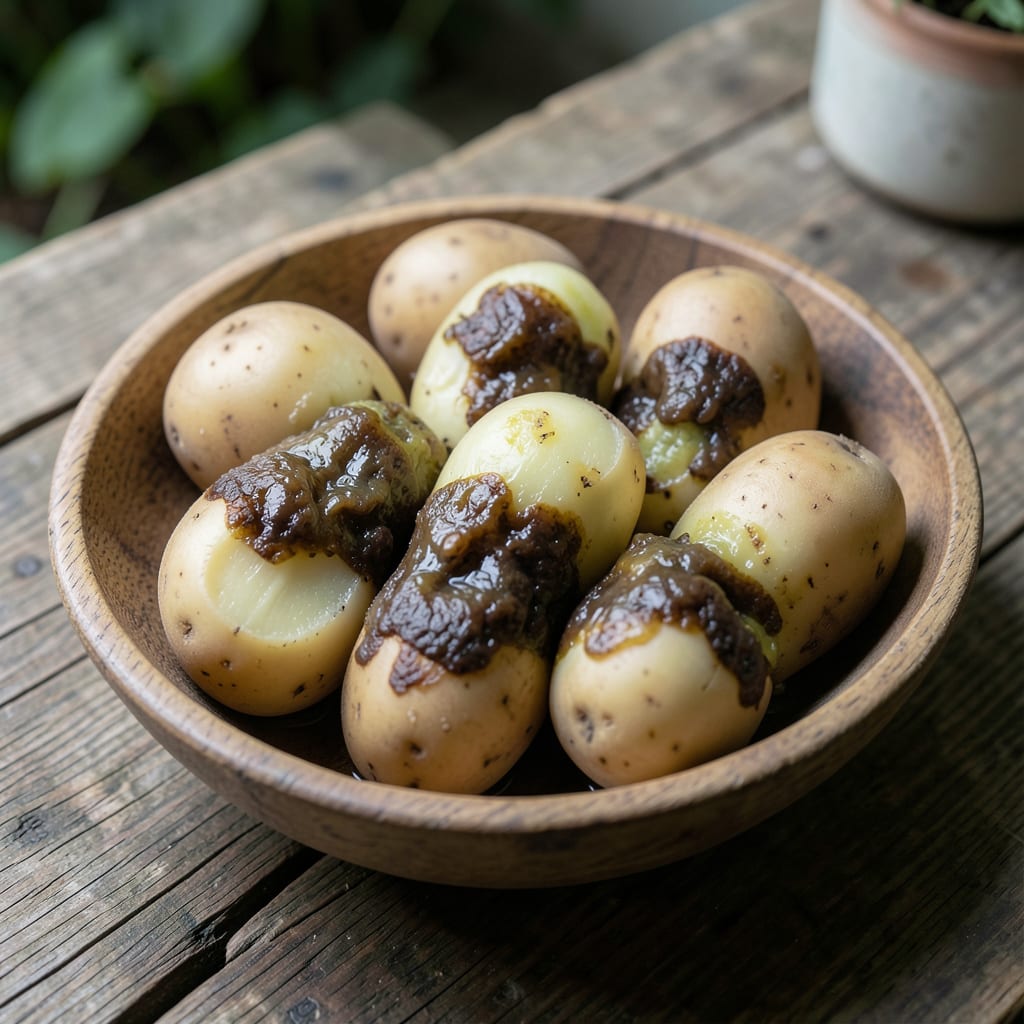
Nothing ruins a potato harvest faster than soft rot. I’ve lost entire buckets of stored spuds to this silent killer—one day they’re firm, the next they’re a mushy, foul-smelling mess.
It starts with small, water-soaked spots on the skin, then spreads inward, turning the flesh into a slimy, dark brown sludge. The worst part? It spreads fast in damp, warm conditions, especially if your potatoes have cuts or bruises.
Prevention is simpler than you think. Proper curing, dry storage, and handling with care stop most outbreaks before they start. Catch it early, and you might save the rest of your crop.
Works for gardeners at any scale, from a few plants to a full field. Here’s how to spot it and shut it down.
Soft rot in potatoes is primarily driven by bacterial infections, environmental stress, and poor handling practices. Understanding these root causes helps growers and storage managers take targeted action to prevent outbreaks. Below are the key triggers:
The most common culprit is Pectobacterium and Dickeya bacteria, which thrive in warm, moist conditions. These pathogens enter through wounds, bruises, or natural openings (like lenticels) on the potato surface. Once inside, they break down pectin—the “glue” holding plant cells together—causing tissue to liquefy. Contaminated soil, water, or infected seed potatoes can all introduce bacteria to healthy tubers.
High humidity (above 90%) and temperatures between 77–86°F (25–30°C) create ideal conditions for bacterial growth. Poorly ventilated storage areas or fields with waterlogged soil accelerate rot development. Even brief exposure to these conditions can trigger infections, especially if potatoes are already damaged or immature.
Harvesting, grading, or transporting potatoes with dull or dirty equipment can cause micro-tears in the skin. These injuries provide entry points for bacteria. Rough handling—like dropping tubers or overfilling storage bins—also increases susceptibility by compromising the potato’s natural protective layer.
Using infected seed potatoes is a silent but devastating cause of soft rot. Bacteria can lie dormant in seemingly healthy seed stock, only to activate under favorable conditions. Always source certified disease-free seed potatoes and inspect them for early signs of decay, such as water-soaked spots or foul odors.
Soft rot in potatoes can be managed and prevented with targeted solutions. Below are practical fixes for each major cause, along with prevention tips to keep your crop healthy.
If damp or warm storage is the culprit, move potatoes to a cool, dry, and well-ventilated area (45–50°F with 85–90% humidity). Use breathable containers like burlap sacks or wooden crates instead of plastic bags. Prevention tip: 💡 Inspect storage spaces regularly for excess moisture or temperature fluctuations.
For infected tubers, isolate and discard any soft, mushy, or foul-smelling potatoes immediately to prevent spread. Disinfect storage bins, tools, and surfaces with a 10% bleach solution (1 part bleach to 9 parts water). Prevention tip: ✨ Always sanitize equipment between uses, and avoid bruising potatoes during harvest to reduce entry points for bacteria.
If soil or irrigation water is contaminated, avoid planting potatoes in the same spot for at least 3 years. Practice crop rotation with non-host plants like corn or grains. Test soil and water for bacterial presence, and use certified disease-free seed potatoes. Prevention tip: 🎯 Use drip irrigation instead of overhead watering to minimize bacterial spread.
Overwatering or poor drainage can accelerate rot. Reduce irrigation during wet periods and ensure fields or garden beds have proper drainage. Raise potato beds if waterlogging is a recurring issue. Prevention tip: 🌡️ Water potatoes in the morning to allow foliage to dry quickly, reducing bacterial growth opportunities.
By addressing the root causes and following these steps, you can stop soft rot in its tracks and protect future harvests.
Look for water-soaked spots on the skin that turn mushy and dark brown or black. A foul odor is another clear sign. Infected tubers often feel soft when gently squeezed.
Keep them in a cool, dry place at 45–50°F with 85–90% humidity. Avoid plastic bags—use breathable containers like burlap sacks instead.
Remove and discard infected tubers immediately to prevent spread. Sanitize storage bins with a 10% bleach solution to kill lingering bacteria.
