
Beautiful Plants For Your Interior
Beautiful Plants For Your Interior
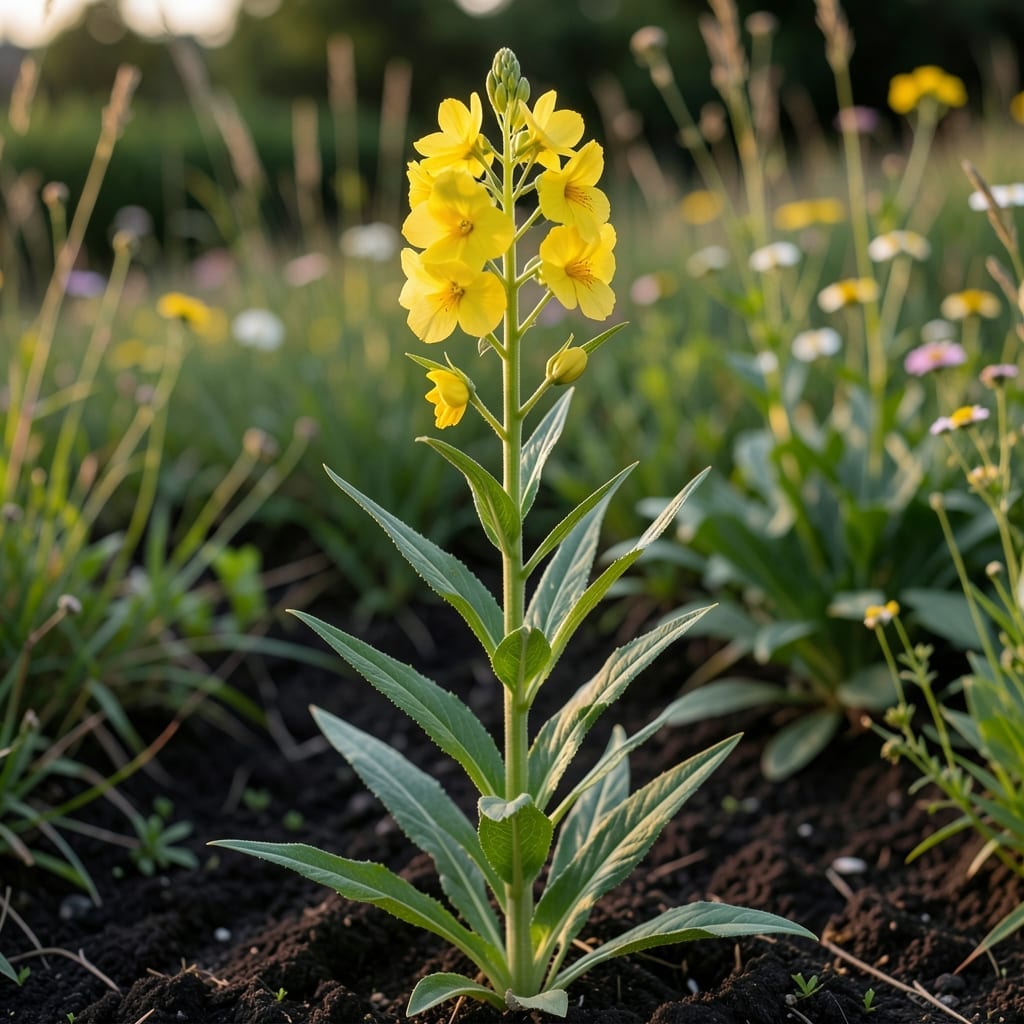
Yellow evening primrose can be invasive in certain regions, spreading aggressively through self-seeding and underground rhizomes, often outcompeting native plants in disturbed areas.
I’ve seen this plant take over fields and roadsides where soil has been disturbed, as its hardy nature allows it to thrive where others struggle. Self-seeding means one plant can produce hundreds of offspring, while rhizomes let it spread underground rapidly. Gardeners often underestimate its ability to dominate a space if left unchecked. ✨
💡 In This Article
This plant thrives through a dual reproductive strategy that makes it remarkably persistent. Each flower produces hundreds of tiny seeds that can remain viable in soil for 5-7 years, germinating when conditions are right. Wind, water, and even passing animals help disperse these seeds across large areas, often reaching disturbed soils where competition is low.
🔥
The underground network of rhizomes is equally aggressive. These horizontal stems can extend 3-6 feet in a single growing season, sending up new shoots at intervals. This allows the plant to form dense colonies that crowd out native species, particularly in roadside ditches, abandoned fields, or garden edges where soil has been turned over.
What makes yellow evening primrose particularly adaptable is its tolerance for various soil types. It grows in sandy loams, clay, and even nutrient-poor soils, as long as drainage is adequate. The plant’s deep taproot, which can reach 2-3 feet down, helps it survive drought conditions that would stress other vegetation. ✨
In optimal conditions, a single plant can spread to cover 10-20 square feet within 2-3 years. This rapid expansion is most noticeable in areas with full sun and minimal maintenance, where it can quickly form a mono-culture that reduces biodiversity.
Gardeners often first notice its invasiveness when they see new shoots emerging far from the original planting site.
The timing of its reproductive cycle also contributes to its success. Flowers open in the evening and close by noon, a strategy that ensures pollination by night-flying moths while conserving moisture during hot days. This adaptation allows it to thrive in arid regions where daytime pollinators might be less active. 💫
It thrives in disturbed areas across the southern and central U.S., particularly in Texas, Oklahoma, and Kansas. These warm climates with well-drained soils provide ideal conditions for aggressive growth.
Under optimal conditions, a single plant can spread to cover 10-20 square feet within 2-3 years. Its rhizomes extend 3-6 feet annually, creating dense colonies that choke out other plants.
Yes, but use deep containers at least 18 inches across to restrict rhizome growth. Ensure pots have drainage holes and place them on hard surfaces to prevent roots from escaping into the ground.
Butterfly weed, purple coneflower, and black-eyed Susan offer similar beauty without invasiveness. These support local ecosystems better while providing vibrant color and pollinator benefits.