
Beautiful Plants For Your Interior
Beautiful Plants For Your Interior
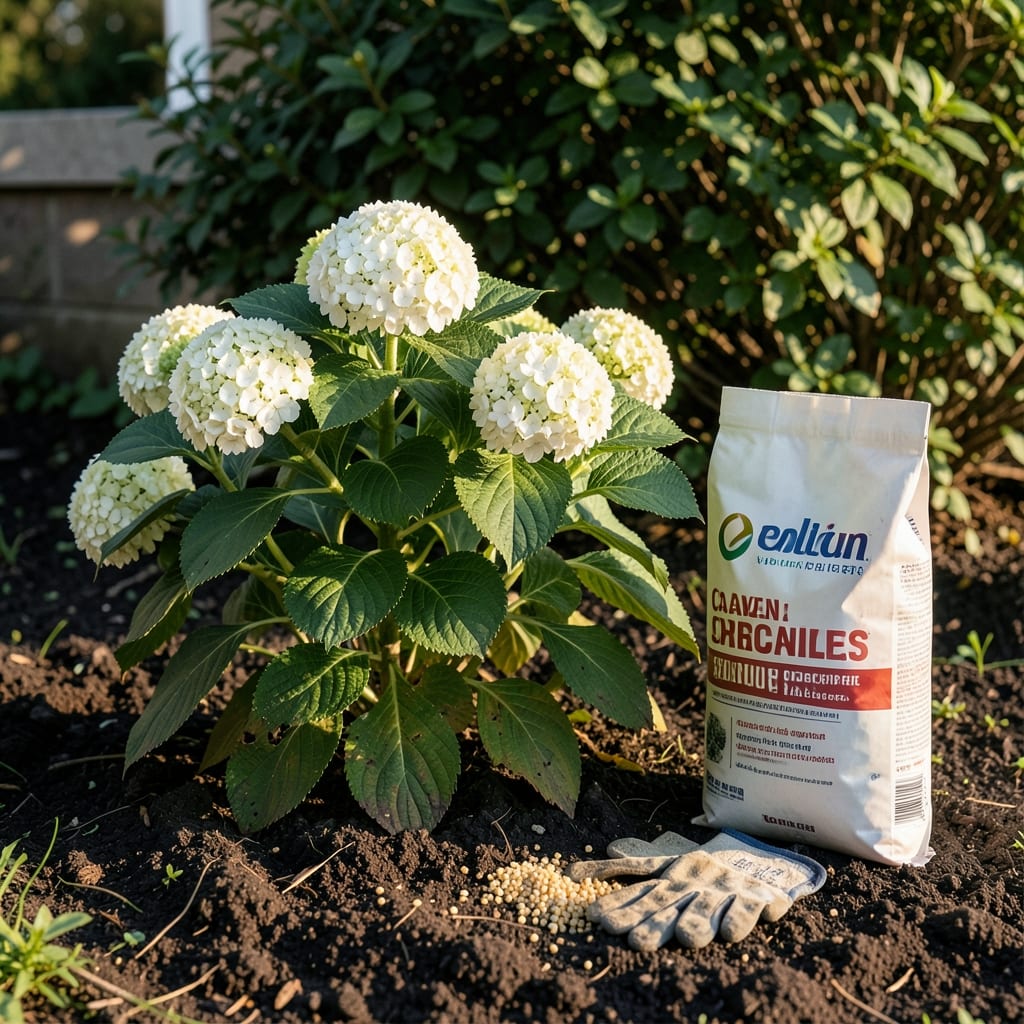
Maintain soil pH between 6.0 and 6.2 by adding lime, avoid aluminum-rich amendments, and ensure consistent watering with balanced fertilizer to preserve white blooms.
I’ve found that white hydrangeas thrive when aluminum stays out of their root zone, as this element triggers color shifts to pink or blue. Lime applications every few months help neutralize acidic conditions, while a balanced 10-10-10 fertilizer supports steady growth without introducing unwanted minerals. 💫
Consistency in moisture prevents stress, which can also alter bloom color, so I recommend mulching to retain even soil hydration.
💡 In This Article
The color of hydrangea blooms is directly tied to aluminum availability in the soil. In acidic conditions (pH below 6.0), aluminum becomes soluble and is absorbed by the plant, leading to blue or purple flowers. At neutral to slightly alkaline pH (6.0-6.2), aluminum remains locked in the soil, allowing white blooms to flourish. 🌟
Hydrangeas possess a unique ability to change flower color based on this aluminum uptake. The plant’s roots absorb aluminum ions when the soil is acidic, which then react with anthocyanins (natural pigments) in the petals. This chemical reaction shifts the color spectrum from white toward blue. Conversely, neutral pH prevents this absorption entirely.
White hydrangea varieties like ‘Annabelle’ are particularly sensitive to these changes. Even a slight pH drop to 5.5 can introduce a lavender tint to the blooms. The key is maintaining that precise 6.0-6.2 range where aluminum remains insoluble while other essential nutrients like iron and magnesium stay available. ✨
This pH-dependent color change isn’t just surface-level—it’s a fundamental part of how hydrangeas have evolved. The plant’s ability to indicate soil conditions through its flowers is so reliable that some gardeners use hydrangeas as natural pH testers. When the blooms stay pure white, you know your soil chemistry is perfectly balanced.
What many don’t realize is that this process takes time. After adjusting soil pH, it may take an entire growing season to see the full color change in the blooms. The plant needs time to either absorb or stop absorbing aluminum, then incorporate it into new flower development.
This is why consistent pH monitoring is crucial for maintaining white flowers year after year. 💫
Test your soil at least 2-3 times per year, especially before the growing season starts. Use a home testing kit or send samples to a local extension service for accurate results.
Aluminum-rich or high-acid fertilizers can lower soil pH, causing blooms to turn blue or purple. Stick to balanced options like 10-10-10 and avoid sulfates to maintain white flowers.
Baking soda can raise pH temporarily, but it’s not a long-term solution. For lasting results, use dolomitic lime at 1 lb per 10 sq ft and retest after 2-3 months.
Pink hues usually mean your soil pH has dropped below 6.0, allowing aluminum uptake. Apply lime to neutralize acidity and restore pure white blooms.