
Beautiful Plants For Your Interior
Beautiful Plants For Your Interior
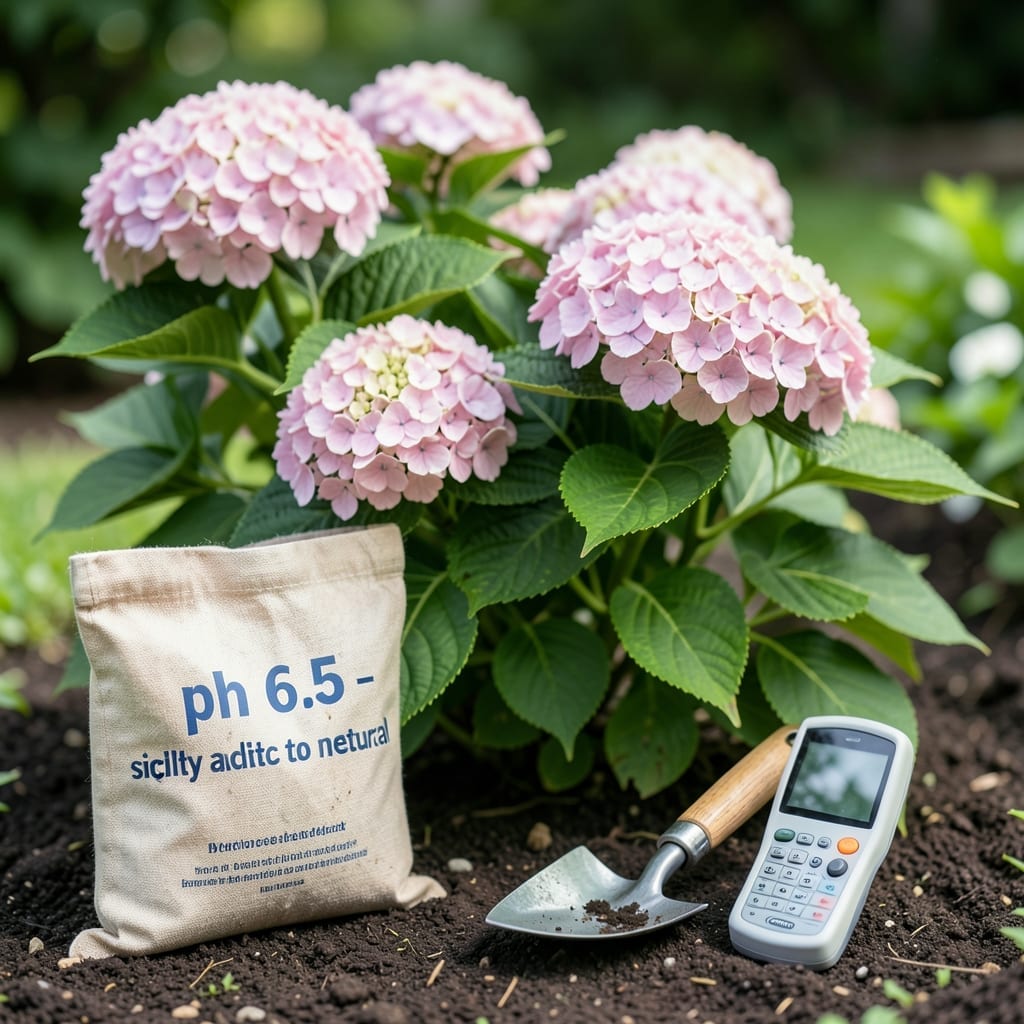
Hydrangeas are famous for their stunning, colorful blooms—but did you know their flower color can change based on soil type? Getting the right soil is the key to vibrant, healthy 🌸 Hydrangea plants.
I learned the hard way that not all dirt works the same. The wrong soil can leave your shrubs struggling, while the perfect mix brings out those gorgeous hues we all love.
From pH levels to drainage, there’s a science to creating the ideal growing environment. And trust me, it’s easier than you might think to get it right.
Discover how to transform your garden into a Hydrangea haven with just a few simple soil adjustments. Your plants will thank you with their most spectacular blooms yet.
If you want vibrant hydrangea blooms, soil is everything. These beautiful shrubs thrive in soil that’s moist but well-draining, rich in organic matter. The right foundation ensures healthy roots and stunning flowers.
What really fascinates me is how soil pH affects bloom color. In acidic soil (pH 5.0–5.5), you’ll get blue flowers, while alkaline soil (pH 6.5–7.0) produces pink blooms. Neutral pH (5.5–6.5) often yields purple or white.
| Requirement | Specification |
|---|---|
| Ideal pH | 5.0–6.5 |
| Soil Type | Loamy, well-draining |
| Organic Matter | High (compost, peat moss) |
| Moisture | Consistently moist, not soggy |
| Drainage | Excellent (avoid waterlogging) |
I always recommend loamy soil for hydrangeas because it retains moisture while allowing excess water to drain. Heavy clay can suffocate roots, and sandy soil dries out too fast. Amend your soil with compost or aged manure to improve texture.
For blue hydrangeas, I lower the pH by adding aluminum sulfate or elemental sulfur. For pink blooms, I use lime to raise pH. Remember, changes take time—test your soil every few months to track progress.
Hydrangeas also need plenty of organic material to thrive. Mix in peat moss or leaf mold when planting. This improves water retention and nutrient availability, giving your plants the best start.
Avoid extreme pH levels—anything below 4.5 or above 7.5 can stress the plant and reduce flowering. If your soil is too alkaline, sulfur amendments help, but go slow. Too much can damage roots.
Drainage is non-negotiable. I’ve seen hydrangeas wilt in soggy soil. If your garden has poor drainage, consider raised beds or amending with perlite. This prevents root rot and keeps plants happy.
Lastly, mulch around the base with organic material like wood chips or pine bark. This retains moisture, regulates temperature, and adds nutrients as it breaks down. Your hydrangeas will thank you with bigger, brighter blooms! 🌸
Testing your soil is the first step to Hydrangea happiness. I use a simple pH test kit from my local garden center—it’s quick, affordable, and gives instant results. You’ll know exactly where your soil stands on the acidity scale. 🌱
If your soil is too alkaline, adding elemental sulfur can lower the pH over time. For acidic soil that’s too extreme, garden lime will bring it back into the ideal range. Just follow the package instructions carefully.
Improving drainage is just as important as adjusting pH. If your soil is heavy clay, mix in coarse sand or pine bark fines to loosen it up. Hydrangeas hate soggy roots, so well-draining soil is a must.
For sandy soil that drains too quickly, organic compost is your best friend. It holds moisture while still allowing excess water to escape. I’ve seen dramatic improvements in plant health with just a few inches of compost worked into the topsoil. 🌿
Remember, consistency is key. Hydrangeas thrive when their soil stays evenly moist but never waterlogged. A 2-3 inch layer of mulch helps maintain that perfect balance while also regulating soil temperature.
Finally, don’t forget to monitor your plants. Yellowing leaves can signal pH imbalance, while wilting might mean poor drainage. With these adjustments, you’ll have vibrant, colorful blooms in no time. ✂️