
Beautiful Plants For Your Interior
Beautiful Plants For Your Interior
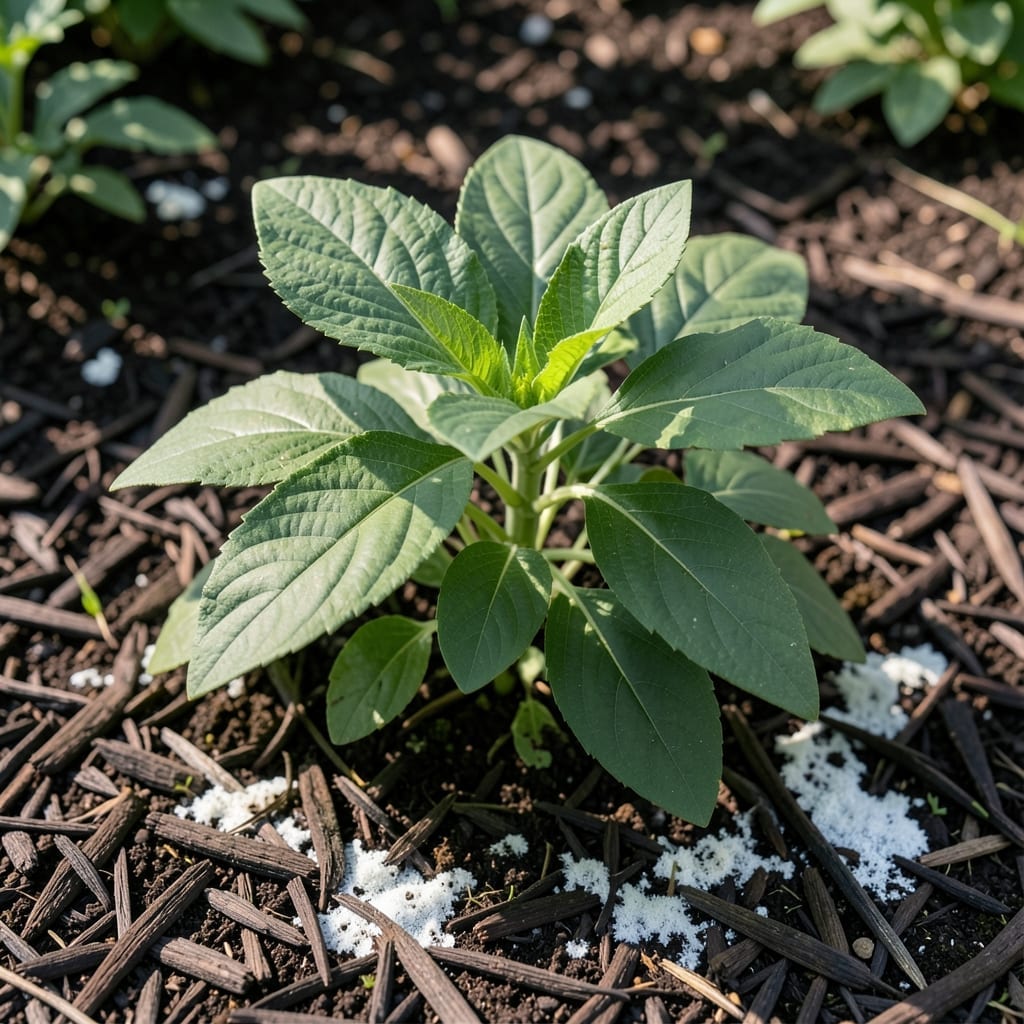
I spotted that white stuff under my mulch last spring and panicked. Turns out it’s usually harmless fungal growth, not a garden emergency.
Most often it’s just mycelium—nature’s way of breaking down organic matter. But sometimes it signals too much moisture or compacted mulch layers.
Removing it is simple: rake the mulch, let it dry, and add fresh material. Prevention means better drainage and less dense mulch layers.
Here’s the thing—this is your garden working, not failing. We’ll sort it out together.
The white stuff under mulch is usually a fungal growth, often saprophytic fungi like Mucor or Trichoderma, thriving in moist, organic-rich environments. Here’s why it appears:
Mulch retains water, and if it stays too wet (from overwatering, poor drainage, or heavy rain), it creates the perfect breeding ground for fungi. These microorganisms break down organic matter, producing white, thread-like mycelium or fuzzy patches.
Wood chips, leaves, or compost in mulch provide food for fungi. As they decompose, white fungal growth (like mycelium) becomes visible, especially in thick or undisturbed mulch layers.
Fungi thrive in warm, humid conditions (60–80°F). In spring or summer, mulch heats up, accelerating microbial activity and making white growth more noticeable.
Compacted or overly thick mulch (more than 3–4 inches) traps moisture and blocks oxygen, encouraging anaerobic fungi. This often leads to a white, mold-like layer beneath the surface.
Actionable Tip: Reduce watering, rake mulch to improve airflow, and replace old mulch if the issue persists.
Dealing with white stuff under mulch is easier than you think. Below are targeted solutions for each common cause, plus tips to keep it from coming back.
If the white substance is mold or fungus, rake the mulch to break up clumps and let it dry. Thin layers of mulch (2–3 inches max) prevent moisture buildup. For stubborn patches, mix in a bit of compost to introduce beneficial microbes that outcompete the fungus. Prevention tip: 💡 Avoid piling mulch against plant stems or tree trunks—leave a small gap for airflow.
White grubs, termites, or larvae? Dig out the affected mulch and replace it with fresh, pest-free material. For a natural fix, sprinkle diatomaceous earth or neem cake under the new layer to deter pests. Prevention tip: 🎯 Rotate mulch types yearly (e.g., switch from wood chips to straw) to disrupt pest life cycles.
If the white stuff is salt or lime residue, water the area deeply to dissolve and wash it away. Test your soil’s pH—if it’s too alkaline, amend with sulfur or peat moss. Prevention tip: ✨ Use aged mulch (6+ months old) to reduce chemical leaching into the soil.
Harmless white mycelium (fungal threads) actually benefit soil health. If it bothers you, gently relocate the mulch to a less visible area. Prevention tip: 🌡️ Keep mulch moist but not soggy—mycelium thrives in balanced conditions.
Most often it’s harmless mycelium, a natural part of decomposition. It won’t hurt your plants and actually improves soil health. Only remove it if it’s unsightly or spreading excessively.
Use 2-3 inches of mulch max, ensure good drainage, and avoid piling mulch against plant stems. Rake occasionally to improve airflow and sunlight penetration.
If it looks powdery or crystalline, it might be mineral deposits. Test your soil pH and flush the area with water. For pests, look for movement or damage to the mulch.