
Beautiful Plants For Your Interior
Beautiful Plants For Your Interior
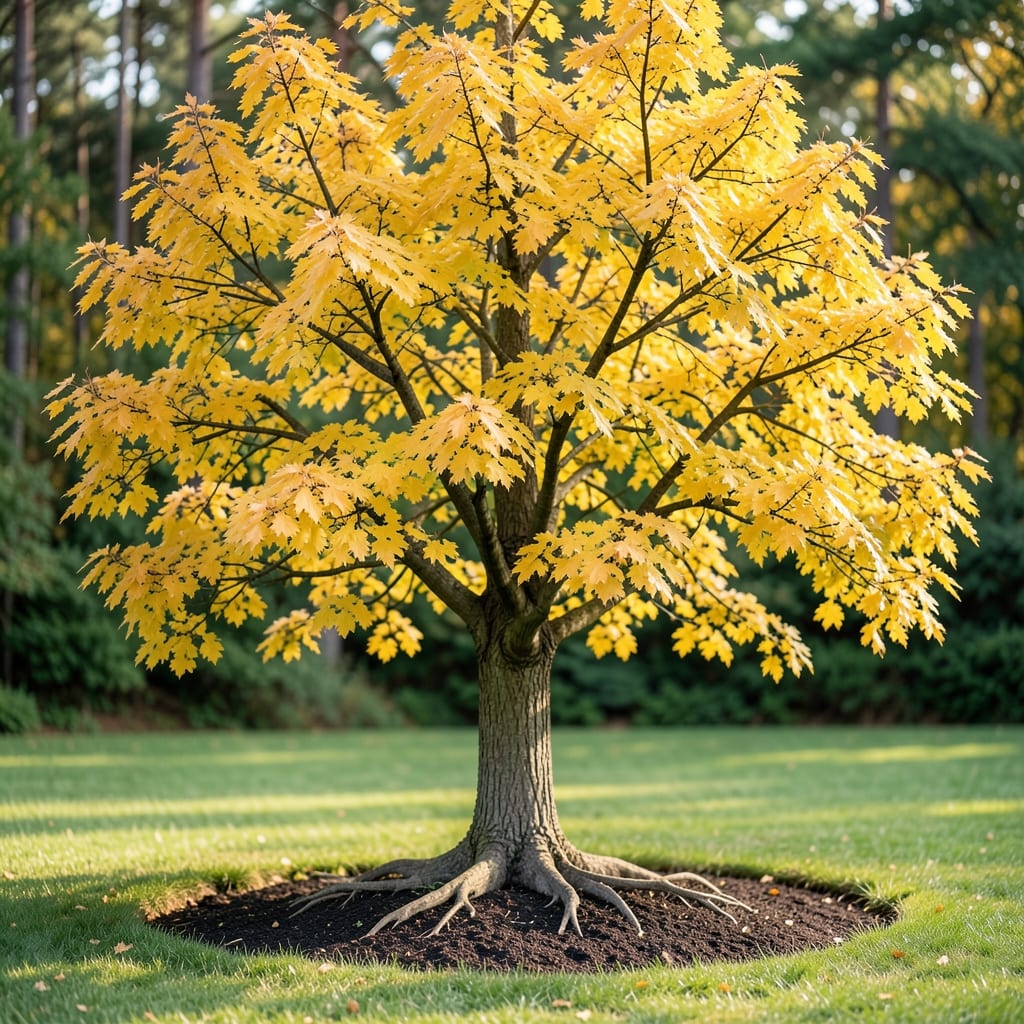
Yellow leaves on elm trees often signal stress from disease, nutrient deficiencies, or environmental factors like drought. Dutch elm disease is a common culprit, but overwatering or poor soil can also cause discoloration.
I’ve seen cases where early intervention makes all the difference. Elm leaf beetles and fungal infections often start with subtle yellowing before spreading rapidly. Regularly inspecting your tree’s canopy helps catch issues before they escalate. 🌟
Proper care is your best defense. Well-draining soil and balanced watering can prevent many common problems. If disease is confirmed, targeted treatments like fungicides or pruning affected branches may be necessary.
💡 In This Article
Dutch elm disease disrupts water flow by clogging xylem vessels with fungal spores. The tree responds by restricting water to affected branches, causing leaves to yellow, wilt, and brown within 2-4 weeks. This vascular blockage is often first visible in the upper canopy. ✨
Elm leaf beetles create a different pattern. Adults and larvae chew on foliage, producing skeletonized leaves that turn yellow as the remaining tissue dies. Severe infestations can defoliate a tree in 2-3 weeks, with new growth often emerging yellow due to nutrient stress. 🔥
Fungal infections like verticillium wilt target the tree’s vascular system. Unlike Dutch elm disease, verticillium causes patchy yellowing between veins, often on one side of the tree. The fungus thrives in cool, wet conditions and can persist in soil for decades, infecting new hosts. ⚡
Anthracnose fungus produces small, irregular yellow spots that expand into dead areas. This disease favors wet spring weather and typically affects lower branches first. While rarely fatal, repeated infections weaken the tree and increase susceptibility to other problems. 💫
Each disease progresses differently. Dutch elm disease often kills a tree within 1-2 years of infection, while anthracnose may cause only cosmetic damage. The key is early identification through symptom patterns and timing.
Not always. While diseases like Dutch elm can cause yellowing, stress from drought, poor soil, or overwatering may also be to blame. Check for patterns—patchy spots suggest fungus, while uniform color points to environmental stress.
Without treatment, it can kill a mature elm within 1-2 years. Early symptoms include upper canopy yellowing and wilting, progressing to complete dieback. Immediate pruning and fungicide application can sometimes save it.
For mild cases, a baking soda solution (1 tablespoon per gallon of water) can help. However, severe infections require copper-based fungicides. Always apply in the evening to avoid leaf burn.
Apply neem oil or insecticidal soap at dusk every 7-10 days during active seasons. Remove fallen leaves to eliminate breeding grounds. Healthy trees resist infestations better.
If more than 30% of the canopy is affected or symptoms spread rapidly, consult an arborist. They can diagnose issues accurately and recommend targeted treatments to save your tree.