
Beautiful Plants For Your Interior
Beautiful Plants For Your Interior
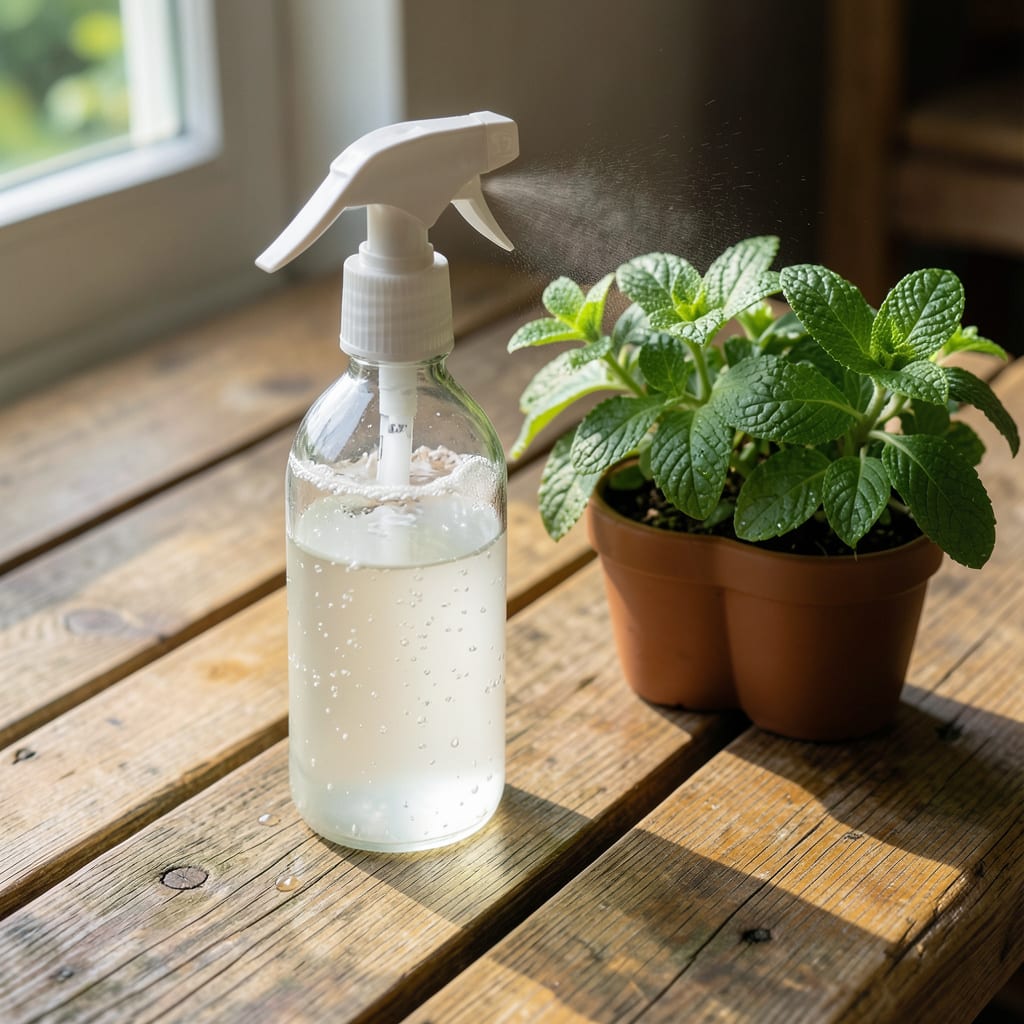
White spots on your leaves don’t have to mean game over. 🌿 I’ve saved countless plants from powdery mildew with a simple spray that costs pennies to make.
This isn’t just another home remedy—it’s a proven fungicide that disrupts the disease’s ability to spread. Mix it wrong and you’ll burn your plants, but get the ratio right and you’ll see results within 48 hours.
Your plants will show new growth that’s healthier and more resistant. The spray works on roses, cucumbers, and squash, and it’s safe for organic gardens.
Best part? You probably have the ingredients in your kitchen right now.
Fungal infections in plants often stem from environmental and biological factors that create ideal conditions for spores to thrive. Understanding these causes helps prevent outbreaks and ensures your baking soda spray is used effectively.
Fungi flourish in damp environments. Overwatering, poor drainage, or high humidity leaves plant foliage wet for extended periods, allowing spores to germinate. Stagnant air around dense plantings exacerbates this by slowing evaporation.
Most plant fungi thrive in temperatures between 70–80°F (21–27°C). Warm, moist conditions accelerate spore growth, while cool, wet weather (common in spring/fall) also encourages infections like powdery mildew or leaf spot.
Crowded plants or lack of pruning restrict airflow, trapping moisture on leaves. This creates a microclimate perfect for fungal spores to settle and multiply. Thin out foliage and space plants properly to reduce risk.
Fungal spores can linger in infected soil or on unsterilized gardening tools. Reusing contaminated pots, pruners, or even watering cans spreads pathogens to healthy plants. Always disinfect tools with rubbing alcohol between uses.
Wetting leaves during watering gives fungi a direct entry point. Drip irrigation or soil-level watering keeps foliage dry, while evening watering (which prolongs moisture) should be avoided in fungus-prone gardens.
Tackling fungal issues on your plants doesn’t have to involve harsh chemicals. A simple baking soda spray can be a game-changer, but the key is applying it correctly. Below are targeted solutions based on the type of fungus you’re dealing with, plus tips to keep it from coming back.
Mix 1 teaspoon of baking soda, 1 quart of water, and a few drops of liquid soap (to help it stick). Spray directly on affected leaves, covering both sides. Reapply every 5–7 days or after rain. Why it works: The alkaline nature of baking soda disrupts the fungus’s growth.
For stubborn leaf spots, enhance your spray with 1 tablespoon of neem oil or horticultural oil. This adds antifungal properties while smothering spores. Spray in the early morning to avoid leaf burn from the sun. Pro tip 💡: Always test a small area first to check for plant sensitivity.
If fungus is in the soil, mix 1 tablespoon of baking soda per gallon of water and drench the base of the plant. Avoid overwatering—fungus thrives in soggy conditions. Prevention tip ✨: Ensure pots have drainage holes and use well-draining soil.
Consistency is key—stick with your spray routine, and your plants will thank you with vibrant, fungus-free growth!
Use it every 5-7 days for active infections, or after rain. For prevention, apply every 2 weeks. Consistency is key to keeping fungus at bay.
Most plants tolerate it well, but test on a small area first. Avoid delicate plants like ferns or young seedlings, as they may be sensitive to the spray.
The soap helps the spray stick to leaves and spread evenly. Use 1-2 drops of mild liquid soap per quart to avoid damaging foliage.
For stubborn cases, add 1 tablespoon of neem oil or try alternating with copper spray. Ensure you’re covering both sides of leaves thoroughly.
