
Beautiful Plants For Your Interior
Beautiful Plants For Your Interior
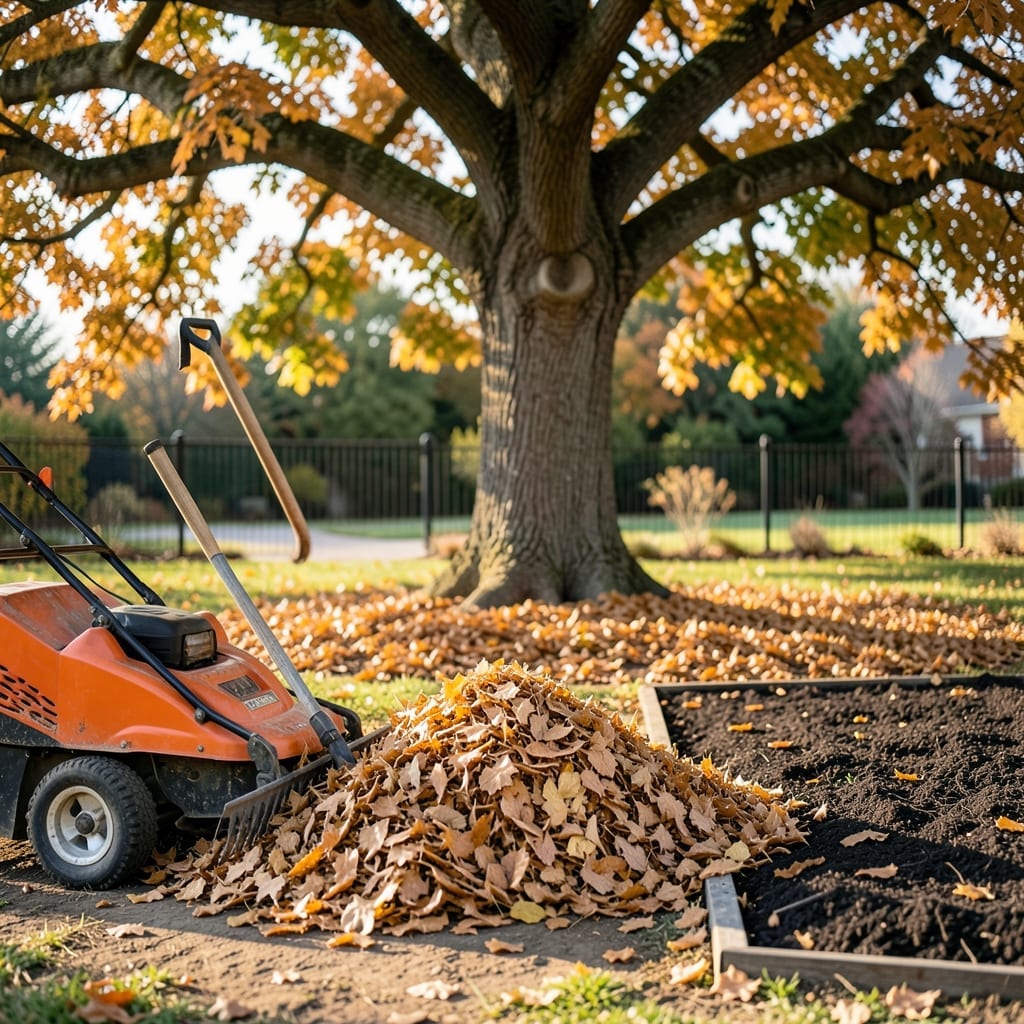
Mulching leaves enriches soil with nutrients, retains moisture, and suppresses weeds, but may smother grass, attract pests, or create thatch if layered too thickly.
I’ve seen gardens thrive when this practice is done right—it’s like giving your soil a natural multivitamin. Decomposing leaves gradually release nitrogen and other minerals that plants crave, while the mulch layer acts as a protective barrier against evaporation. 🌟
However, balance is key—too much can suffocate your lawn or create a haven for rodents. I always recommend keeping the layer under 3 inches and shredding the leaves first for best results.
💡 In This Article
As leaves break down, they undergo a natural decomposition process driven by soil microbes. These organisms convert organic matter into humus, releasing essential nutrients like nitrogen, phosphorus, and potassium at a steady rate.
This slow-release fertilizer effect means your plants get nourished over months rather than all at once, which prevents nutrient runoff that can happen with synthetic fertilizers.
The mulch layer also acts as a natural moisture regulator. It reduces evaporation from the soil surface by up to 30-40%, keeping roots hydrated during dry spells. The shredded leaves create tiny air pockets that improve water infiltration while preventing soil compaction.
This is especially beneficial for clay-heavy soils that tend to crust over after heavy rainfall. 🌟
What most gardeners don’t realize is how mulched leaves boost soil biology. The organic matter feeds earthworms and beneficial bacteria, which in turn improve soil structure. A single earthworm can process up to 10 tons of soil per acre annually, creating channels that enhance aeration and drainage.
The microbial activity also helps suppress soil-borne diseases by outcompeting harmful pathogens.
For best results, aim for a 2-3 inch layer of shredded leaves. This thickness provides optimal insulation—protecting plant roots from temperature extremes while still allowing water and air to penetrate. The shredding process is crucial because it increases the surface area for microbial action, speeding up decomposition by 50-70% compared to whole leaves. ✨
You’ll notice the difference in your soil’s workability too. After a season of leaf mulching, garden beds become looser and richer in color. The improved soil structure means you’ll need to water less frequently and your plants will establish stronger root systems.
This natural approach builds long-term soil health rather than providing just a quick nutrient boost.
Aim for 2-3 inches maximum. Thicker layers can smother grass and trap too much moisture, leading to mold or rot.
Yes, shredding speeds up decomposition by 50-70%. Whole leaves mat together, blocking air and water from reaching the soil.
A thin, properly shredded layer rarely causes issues. However, thick piles may shelter rodents or insects. Keep it even and under 3 inches.
Choose a dry day and spread mulch before rain is forecast. Avoid working with wet leaves, as they clump and decompose poorly.
Most leaves mulch well, but avoid thick layers from walnut or eucalyptus—they contain allelopathic compounds that may inhibit plant growth.