
Beautiful Plants For Your Interior
Beautiful Plants For Your Interior
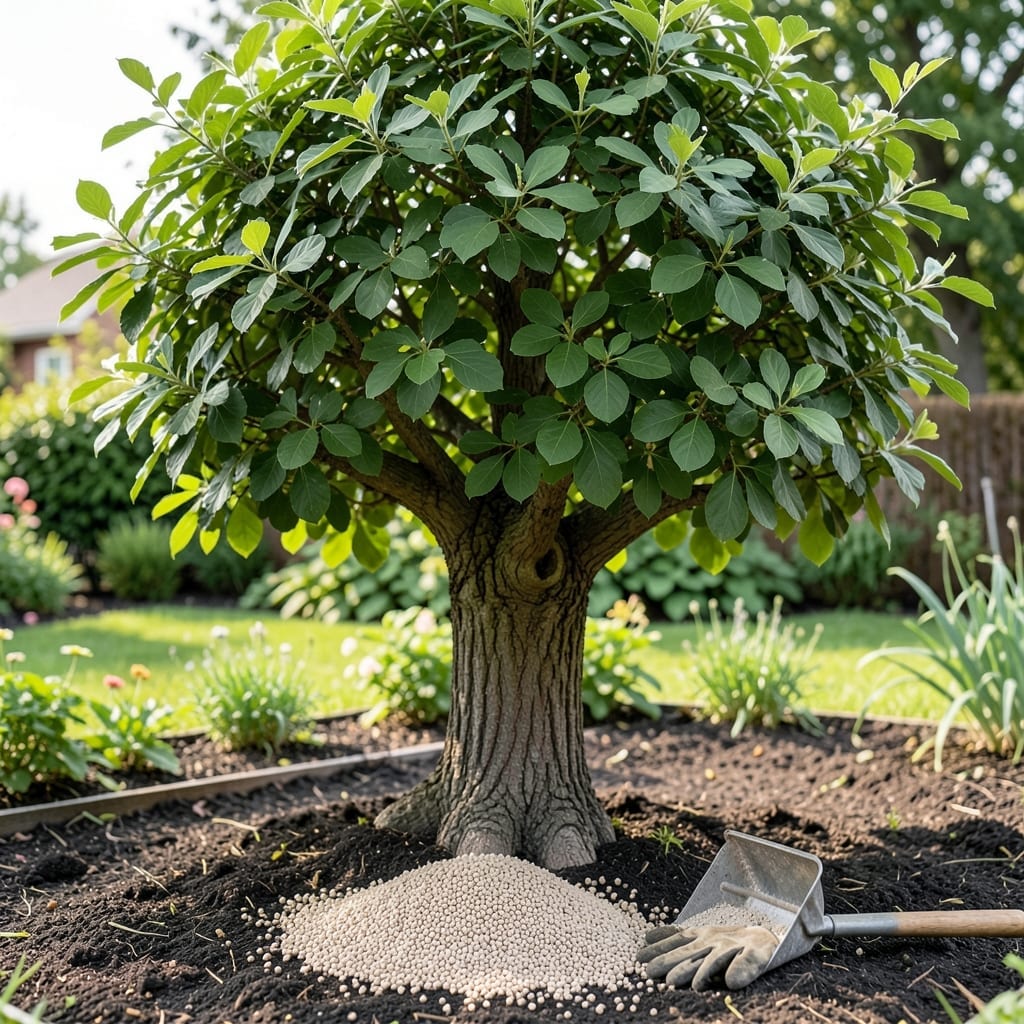
Strong roots are the foundation of every healthy 🌳 Tree, and the right feeding strategy makes all the difference. Traditional fertilizers often deliver a quick but uneven boost that can stress your trees.
That’s where the game-changer comes in: a feeding method that provides steady, reliable nutrition without the risk of overload. Your trees will thank you with vibrant growth and lasting vitality.
Discover how to give your trees the consistent nourishment they crave, and watch them thrive like never before.
I’ve found that slow release nitrogen fertilizer is a game-changer for tree health. It delivers steady nutrition over weeks or months, unlike quick-release options that flood roots all at once.
This method mimics how trees absorb nutrients in nature, preventing fertilizer burn and reducing waste. It’s especially effective for established trees needing consistent support.
| Benefit | Impact on Trees |
|---|---|
| Consistent Nutrition | Steady growth, no spikes |
| Reduced Leaching | Less waste, eco-friendly |
| Root Development | Stronger, deeper roots |
| Disease Resistance | Healthier trees, fewer issues |
The science behind it is simple: slow release nitrogen breaks down gradually, often through microbial action or coated granules. This means your trees get a continuous supply of this essential nutrient.
For newly planted trees, this type of fertilizer helps establish roots without the shock of sudden nutrient surges. I always recommend it for young saplings in their first growing season.
Another major advantage is reduced environmental impact. Since the nitrogen releases slowly, there’s less risk of it washing away into waterways, which can happen with traditional fertilizers after heavy rain.
I’ve seen notable improvements in trees that previously struggled with yellowing leaves or stunted growth. The steady nitrogen supply helps maintain that vibrant green color we all love in healthy trees.
This approach also means fewer applications throughout the year. Instead of fertilizing every few weeks, you might only need to apply slow release nitrogen 2-3 times per season, saving you time and effort.
For mature trees, slow release nitrogen helps maintain vigor during stress periods like drought or extreme heat. It’s like giving your trees a nutritional safety net. 🌳
Remember, the key is choosing the right NPK ratio for your specific tree type. Most trees do well with a balanced formula, but fruit trees often benefit from slightly higher nitrogen content.
In my experience, the best results come from early spring application, just as trees are coming out of dormancy. This gives them the boost they need for new growth and leaf development.
Not all trees have the same needs, so choosing the right slow release nitrogen fertilizer matters. I’ve tested various options and found that deciduous trees like maples often thrive with organic-based formulas that break down naturally.
For evergreen trees, a synthetic coated fertilizer works well because it provides consistent nitrogen release over 3-4 months, matching their year-round growth patterns.
| Tree Type | Recommended Fertilizer |
|---|---|
| Deciduous | Organic compost-based |
| Evergreen | Polymer-coated urea |
| Fruit Trees | High-nitrogen organic blend |
| Ornamental | Balanced slow-release granules |
If you’re growing fruit trees, I recommend a high-nitrogen organic fertilizer to support both foliage and fruit production. My apple trees responded especially well to a 12-6-6 NPK ratio applied in early spring.
Ornamental trees like dogwoods benefit from balanced slow-release granules that promote both blooming and leaf health. A 10-10-10 formula works perfectly for these beauties.
For young trees, regardless of type, I suggest starting with a lower nitrogen concentration to avoid overwhelming their developing root systems. A 5-3-3 ratio is gentle yet effective for new plantings.
Remember, always check soil conditions before applying. I use a soil test kit to determine if my trees actually need more nitrogen or if other nutrients might be lacking. 🌳