
Beautiful Plants For Your Interior
Beautiful Plants For Your Interior
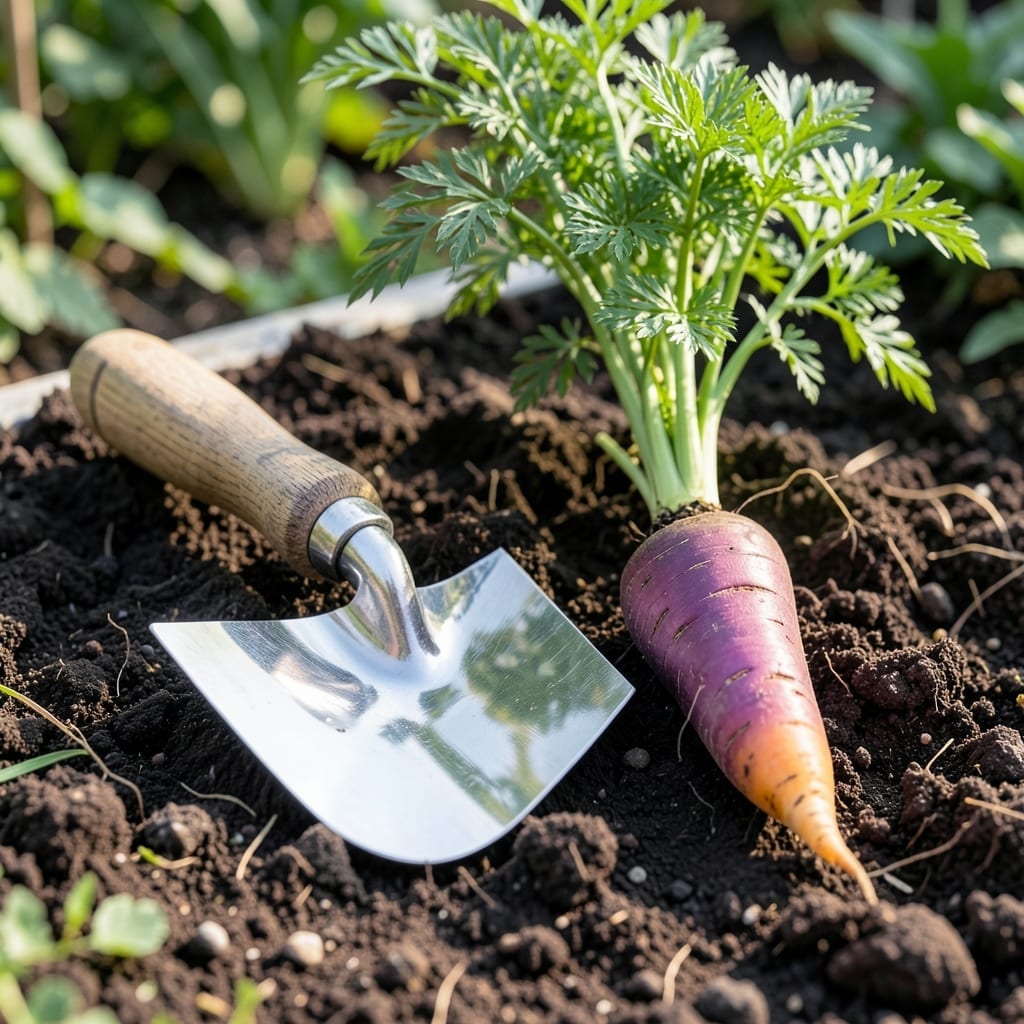
Purple root vegetables include beets, purple carrots, and sweet potatoes, known for their vibrant hue from anthocyanins, offering both visual appeal and nutritional benefits in gardens and kitchens.
I’m always fascinated by how these underground gems get their deep color. The anthocyanins that create their signature purple also pack a powerful antioxidant punch, supporting heart health and reducing inflammation. In my garden, I’ve noticed they thrive in loose, well-drained soil with consistent moisture. 💫
Their visual appeal makes them a favorite for both chefs and gardeners alike. ✨
💡 In This Article
The deep purple hue in these vegetables comes from anthocyanins, water-soluble pigments that develop as a protective response to environmental stress. These compounds absorb harmful UV radiation, acting as a natural sunscreen for the plant. The concentration varies by variety—beets can contain 50-650 mg per 100g, while purple sweet potatoes may have even higher levels.
✨
Soil pH dramatically impacts color intensity. Anthocyanins appear most vibrant in acidic conditions (pH 5.5-6.5), while alkaline soils can shift the hue toward blue or dull the color entirely. Temperature matters too—cooler growing conditions (50-60°F at night) often produce deeper pigmentation in beets and carrots. 💫
Beyond aesthetics, these pigments offer significant health benefits. Anthocyanins demonstrate 3-4x the antioxidant capacity of vitamin C, helping combat oxidative stress. Studies show regular consumption may improve blood pressure and cognitive function. The same compounds that protect the plant in harsh conditions extend protection to our cells. ⚡
Different root vegetables express anthocyanins in unique ways. In purple carrots, the pigment concentrates in the outer layer, creating a gradient effect. Sweet potatoes develop uniform color throughout their flesh. Beets store anthocyanins in both skin and flesh, with varieties like ‘Detroit Dark Red’ showing the most intense saturation. 🌟
Gardeners can enhance pigmentation by providing consistent moisture and avoiding nitrogen-heavy fertilizers, which may dilute color intensity. The most vibrant specimens often come from well-drained, slightly acidic soils with moderate phosphorus levels. This careful balance produces roots that are as nutritious as they are visually striking. 🔥
Anthocyanins cause the deep purple color. These natural pigments develop as a protective response to UV light and stress.
Use loose, well-draining soil with a pH of 6.0-7.0. Plant seeds 1/4 inch deep and keep soil consistently moist. Most varieties need full sun.
Beets are ready in 50-70 days, purple carrots in 70-80 days, and sweet potatoes in 90-120 days. Harvest when roots reach mature size for best flavor.
Yes! The anthocyanins provide 3-4x the antioxidant power of vitamin C. They support heart health and reduce inflammation.
Beet greens and carrot tops are edible and packed with nutrients. Just wash thoroughly before cooking.