
Beautiful Plants For Your Interior
Beautiful Plants For Your Interior
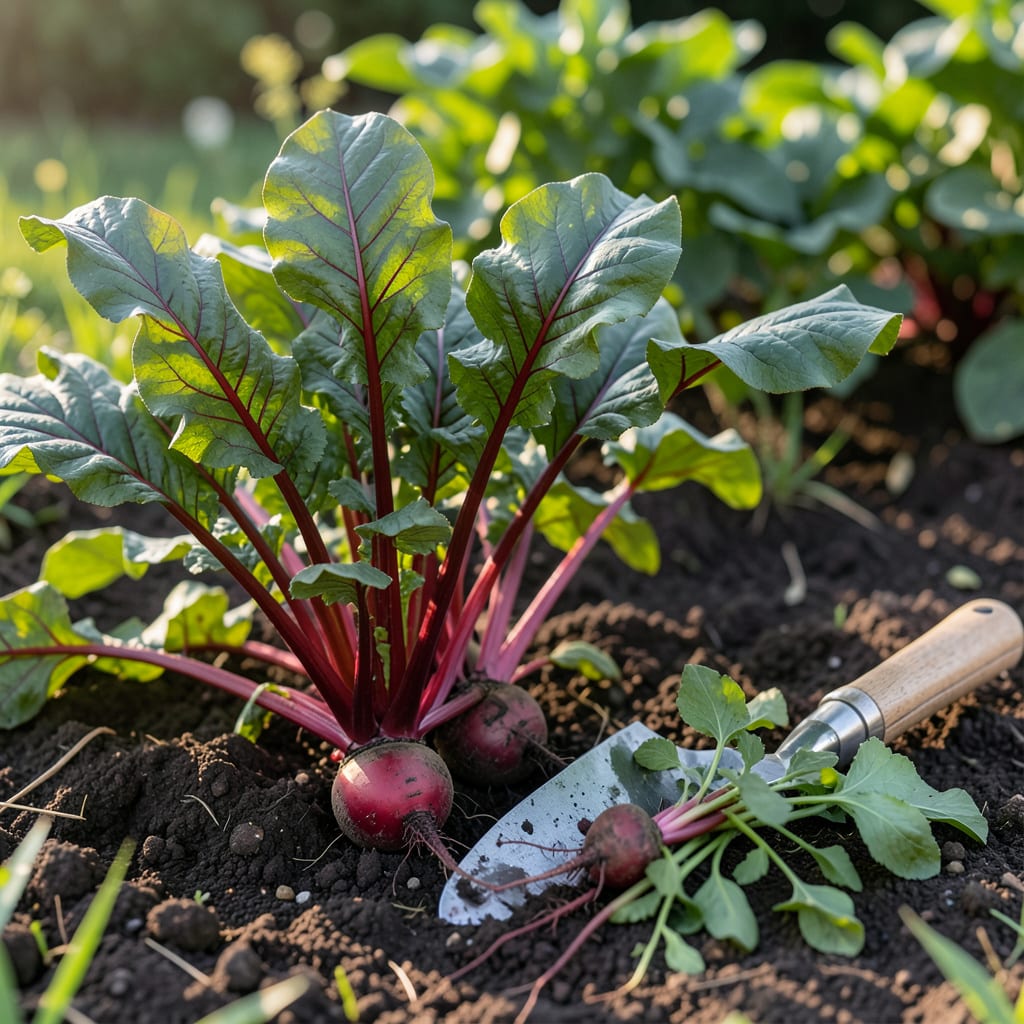
Ever pulled up a beet only to find it was either too small or too tough? I’ve been there, and the frustration is real when you’re aiming for that perfect sweet harvest.
With the 🥬 Beet, there are two key signs that tell you it’s ready. Let me show you what to look for so you never guess wrong again.


I’ve learned that beets broadcast their readiness above ground long before you need to dig. The first clue is the shoulder appearance—that’s the top of the root peeking through the soil. When it reaches 1-1.5 inches wide, your beet is nearing perfection.
Another clear signal is the leaf size. Healthy beet greens typically reach 4-6 inches tall at maturity. If they look vibrant and sturdy, it’s a good bet the roots below are ready too.
| Harvest Sign | What to Look For |
|---|---|
| Shoulder Protrusion | Top of beet 1-1.5 inches wide above soil |
| Leaf Height | 4-6 inches tall and vibrant green |
| Root Diameter | 1-3 inches when gently brushed |
Don’t overlook the color change in the foliage. As beets mature, the leaf stems often develop a slight reddish tint near the base. This is nature’s way of saying the root below is filling out nicely.
I always check the soil line too. If the beet’s top is pushing up against the soil surface, it’s a sure sign the root is expanding. This is especially true for determinate varieties like ‘Detroit Dark Red’.
For baby beets, you can harvest when the shoulders are just visible. These will be tender and sweet, perfect for fresh eating. Just be gentle when pulling to avoid damaging the delicate roots.
The leaf texture matters as well. If the greens look strong and upright, the beets are likely ready. Wilting or yellowing leaves might indicate over-maturity or stress, not readiness.
I’ve found that morning checks work best. The soil is softer, making it easier to spot shoulder protrusion. Plus, the plants are well-hydrated, so you won’t mistake thirst for maturity.
Remember, beet varieties differ slightly. ‘Golden Beets’ might show a yellowish shoulder, while ‘Chioggia’ have distinctive striped tops. Always refer to your seed packet for variety-specific cues.
Finally, if you’re still unsure, do a test pull. Gently brush away soil from one plant to check the root size. If it’s in the 1-3 inch range, the rest of your crop is likely ready too.
This method ensures you’ll never harvest premature or overgrown beets again.
While the above-ground signs are helpful, I always confirm by checking the root size and texture. The ideal beet diameter is 1-3 inches for most varieties, offering the best balance of sweetness and tenderness.
For baby beets, you can harvest when they’re just 1 inch wide. These are perfect for fresh eating and have an extra-delicate texture. Larger beets, up to 3 inches, store well and are great for roasting or pickling.
I check the firmness by gently pressing the soil near the base. A ready beet feels solid and unyielding, while an immature one may feel soft or spongy. This test works best when the soil is slightly damp.
For variety-specific sizes, ‘Detroit Dark Red’ does well at 2-3 inches, while ‘Boltardy’ can be harvested at 1.5-2.5 inches. Always refer to your seed packet for exact recommendations.
Beets left too long become woody and bitter. If the shoulder exceeds 3 inches, it’s past its prime. I’ve learned this the hard way—bigger isn’t always better with beets!
Harvest in the cool morning hours for the best texture and sweetest flavor
🌱I’ve made my share of beet harvesting mistakes, and I want to help you avoid them. The most common error is pulling too early. If the shoulders aren’t visible or the leaves are under 4 inches, your beets need more time.
Another big mistake is waiting too long. Beets left in the ground past 3 inches in diameter become woody and tough. I learned this the hard way with a batch that turned bitter and inedible.
⚠️ Avoid These Harvesting Pitfalls
Harvesting too early or too late ruins texture. Check shoulder size and leaf height first!
Ignoring the weather conditions is another misstep. Beets mature faster in warm weather, so check them more often during heat waves. In cooler temps, they may need extra days to reach full size.
Don’t forget to check variety specifics. Some beets, like ‘Chioggia’, show striped shoulders when ready, while others may not. Always refer to your seed packet for unique cues.
Lastly, avoid rough handling when harvesting. Pulling too hard can damage the roots or break the greens. Use a garden fork to loosen the soil first for a clean pull.
With these tips, you’ll harvest perfect beets every time.
🌱Pulling beets before they’re ready results in small, underdeveloped roots. These will lack the sweet flavor and tender texture of mature beets. Wait until the shoulders are at least 1 inch wide.
Yes, overmature beets become woody and bitter. Once they exceed 3 inches in diameter, the texture deteriorates. Harvest within the 50-70 day window for best results.
Gently brush soil away from the base to expose the top of the root. Measure the visible portion—if it’s 1-1.5 inches wide, it’s ready. This method prevents unnecessary damage.
Healthy greens should be vibrant and 4-6 inches tall. Some varieties develop a slight reddish tint at the stem base as they mature. Yellowing or wilting leaves suggest stress, not ripeness.
