
Beautiful Plants For Your Interior
Beautiful Plants For Your Interior
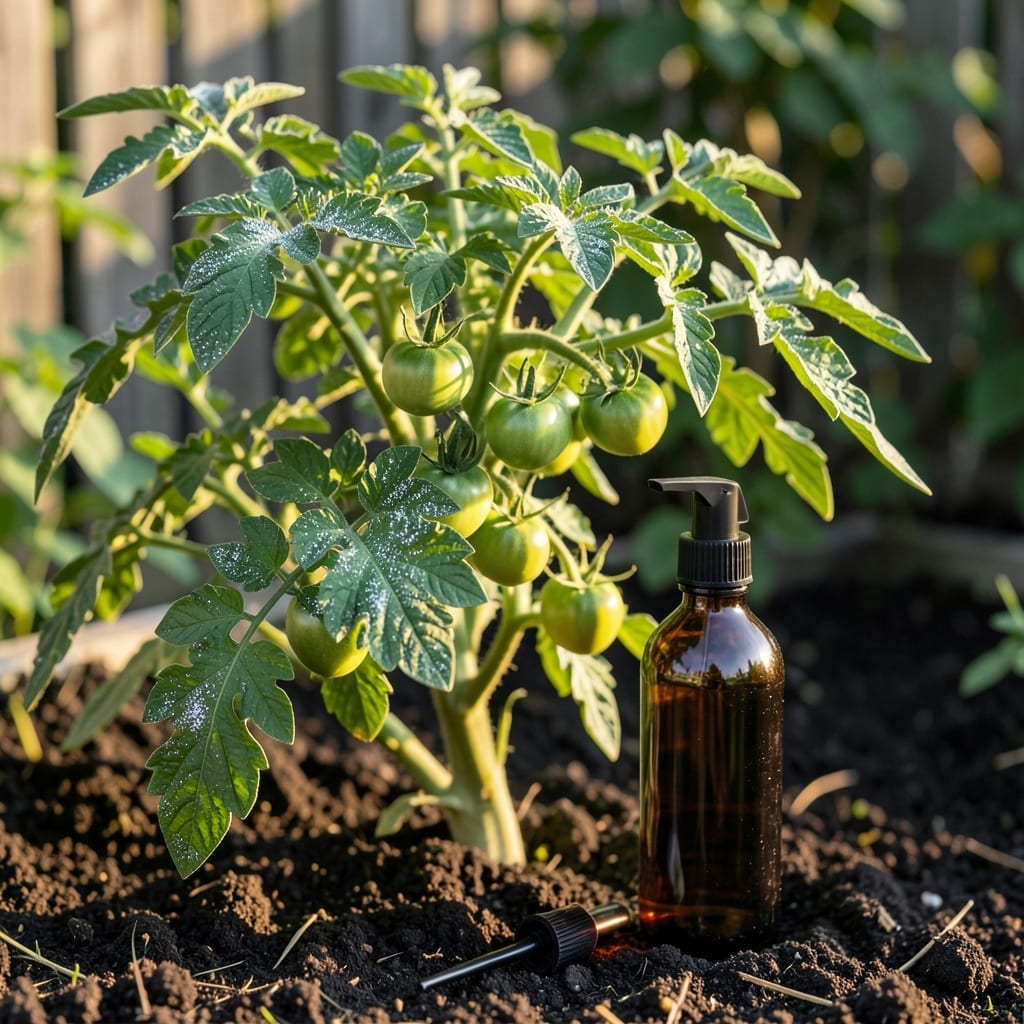
Neem oil effectively treats fungal infections in plants due to its natural antifungal compounds, particularly azadirachtin and nimbin, which disrupt fungal growth and spores.
I’ve seen neem oil work wonders against common plant fungi like powdery mildew and rust because its compounds target the cellular level. Azadirachtin interrupts the fungus’s life cycle while nimbin prevents spores from spreading to healthy tissue. 🔥
What’s impressive is how it creates a protective barrier without harming beneficial insects when used correctly. This makes it a go-to for organic gardeners.
💡 In This Article
Neem oil’s power comes from over 70 active compounds, with azadirachtin being the star. This limonoid disrupts fungal cell division by inhibiting protein synthesis, essentially starving the pathogen at a molecular level. 🔥
The nimbin and nimbidin compounds create a double attack—they penetrate fungal cell walls, causing them to leak vital fluids. Studies show these work within 24-48 hours of application to stop mycelial growth.
What’s fascinating is how neem oil affects spores. The oil’s salannin component prevents spore germination by blocking the enzyme systems fungi need to spread. This breaks the infection cycle before it starts.
Unlike synthetic fungicides that target one pathway, neem oil attacks fungi on multiple fronts. It disrupts respiration, reproduction, and feeding—making it nearly impossible for pathogens to develop resistance. ✨
For gardeners, this means protection against a wide spectrum: powdery mildew on roses, rust on beans, and even stubborn anthracnose on tomatoes. The oil’s systemic action moves through plant tissues, treating existing infections while preventing new ones.
The concentration matters—0.5-1% solutions work best, as higher doses can harm plants. Always test on a small area first to check for phytotoxicity. 💫
You’ll typically see results within 24-48 hours as the active compounds begin disrupting fungal cell walls. Full effects appear after 7-10 days of consistent application, with visible improvement in infected areas.
Most plants tolerate neem oil well, but sensitive varieties like basil or young seedlings may react poorly. Always test on a small area first and wait 24 hours to check for adverse effects like wilting.
Apply early morning or late evening to avoid leaf burn from sun exposure. This timing allows the oil to absorb properly without the risk of UV damage to plant tissues.
For preventative care, reapply every 7-10 days. If treating an active infection, increase frequency to every 5-7 days until the issue resolves. Reapply immediately after rain.