
Beautiful Plants For Your Interior
Beautiful Plants For Your Interior
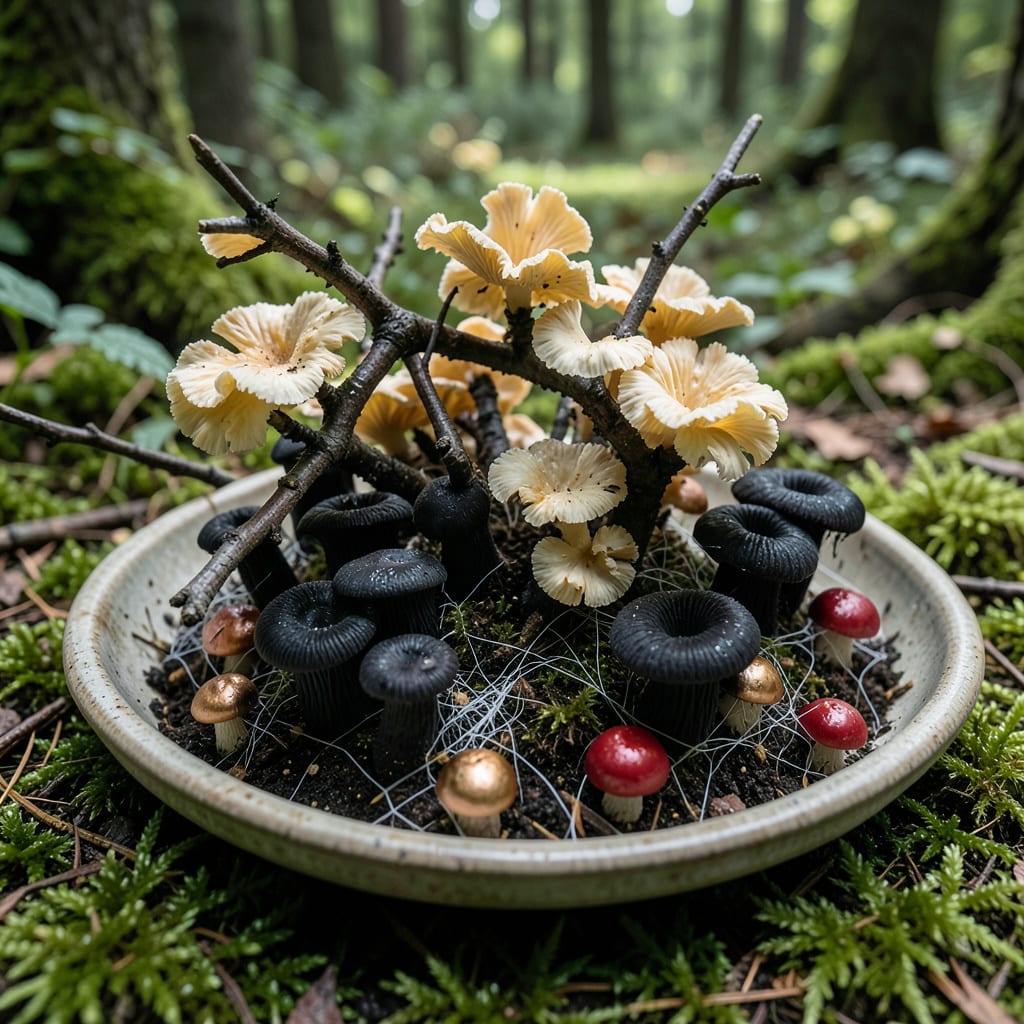
White spots on leaves, blackened stems, or powdery coatings should never be ignored. I learned the hard way that fungal growth on plants spreads fast and can wipe out a garden if left unchecked.
The good news is that most fungal issues are preventable with simple changes. Proper spacing, morning watering, and good airflow make a huge difference. Even resistant plant varieties can succumb without these basics.
When prevention fails, natural treatments like copper sprays, neem oil, or baking soda solutions often work wonders. I’ve saved countless plants with these methods before they could infect the entire garden.
Early detection and quick action are your best defenses. Catching it early means saving your plants and your sanity.
Fungal growth on plants often stems from a mix of environmental and biological factors. Understanding these triggers helps you take targeted action to protect your garden or crops.
Fungi thrive in damp conditions. Overwatering, poor drainage, or high humidity creates the perfect breeding ground. Waterlogged soil restricts oxygen flow to roots, weakening plants and making them more susceptible to fungal spores. Action: Ensure proper drainage and water plants at the base in the morning to allow foliage to dry quickly.
Many fungal pathogens, like powdery mildew or rust, flourish in temperatures between 70–80°F (21–27°C) with high humidity. These conditions accelerate spore germination and spread. Action: Improve air circulation with spacing or pruning, and use shade cloth in greenhouses to reduce humidity buildup.
Dense plantings or neglected pruning trap moisture and limit airflow, allowing fungi to settle and spread. This is especially common in indoor gardens or tightly packed outdoor beds. Action: Thin out crowded plants and prune regularly to promote ventilation.
Stressed plants—whether from nutrient deficiencies, physical damage, or pest attacks—are less resistant to fungal infections. Wounds or weak tissue provide easy entry points for spores. Action: Maintain plant health with balanced fertilization, proper pruning, and pest control to reduce vulnerability.
Fungal spores can linger on unclean gardening tools, pots, or infected soil. Reusing contaminated items without sterilization spreads pathogens to healthy plants. Action: Disinfect tools with rubbing alcohol and rotate crops to prevent soil-borne fungal buildup.
Fungal growth on your plants doesn’t have to mean the end of your garden. With the right approach, you can treat existing infections and prevent future ones. Below are practical solutions tailored to common causes, along with prevention tips to keep your plants thriving.
Fungi love stale, humid air. Space out your plants to allow airflow between leaves and stems. If growing indoors, use a small fan on a low setting to keep air moving. Prune dense foliage to open up the canopy, and avoid crowding plants in greenhouses or raised beds.
Prevention tip: 💡 Thin seedlings early and stake tall plants to maintain good circulation.
Too much moisture is a fungal invitation. Water at the base of the plant (not the leaves) and do it early in the day so foliage dries quickly. Use a moisture meter to check soil dampness before watering—most plants prefer the top inch of soil to dry out between drinks.
Prevention tip: ✨ Opt for drip irrigation or soaker hoses to deliver water directly to the roots.
Fungal spores can linger in soil. Remove and replace the top layer of soil in infected pots or beds. For mild cases, mix in compost or a fungal-suppressing amendment like cinnamon or neem cake. Sterilize tools and pots with a 10% bleach solution to avoid spreading spores.
Prevention tip: 🎯 Rotate crops annually to disrupt fungal cycles in the soil.
Stressed or malnourished plants are more susceptible. Boost their health with balanced organic fertilizer and ensure they get the right amount of sunlight. Remove heavily infected leaves or stems immediately to prevent the fungus from spreading.
Prevention tip: 🌡️ Avoid over-fertilizing with nitrogen, which can promote tender, fungus-prone growth.
Watch for white powdery spots, blackened stems, or yellowing leaves. These often appear on lower leaves first before spreading upward.
Soggy soil and wet foliage create ideal conditions for spores to take hold. Always water at the base in the morning.
Yes, if caught early. Remove infected parts immediately and apply natural treatments like neem oil. Severe cases may require removal.
Isolate infected plants, sterilize tools between uses, and avoid overhead watering. Good airflow is your best defense.
