
Beautiful Plants For Your Interior
Beautiful Plants For Your Interior

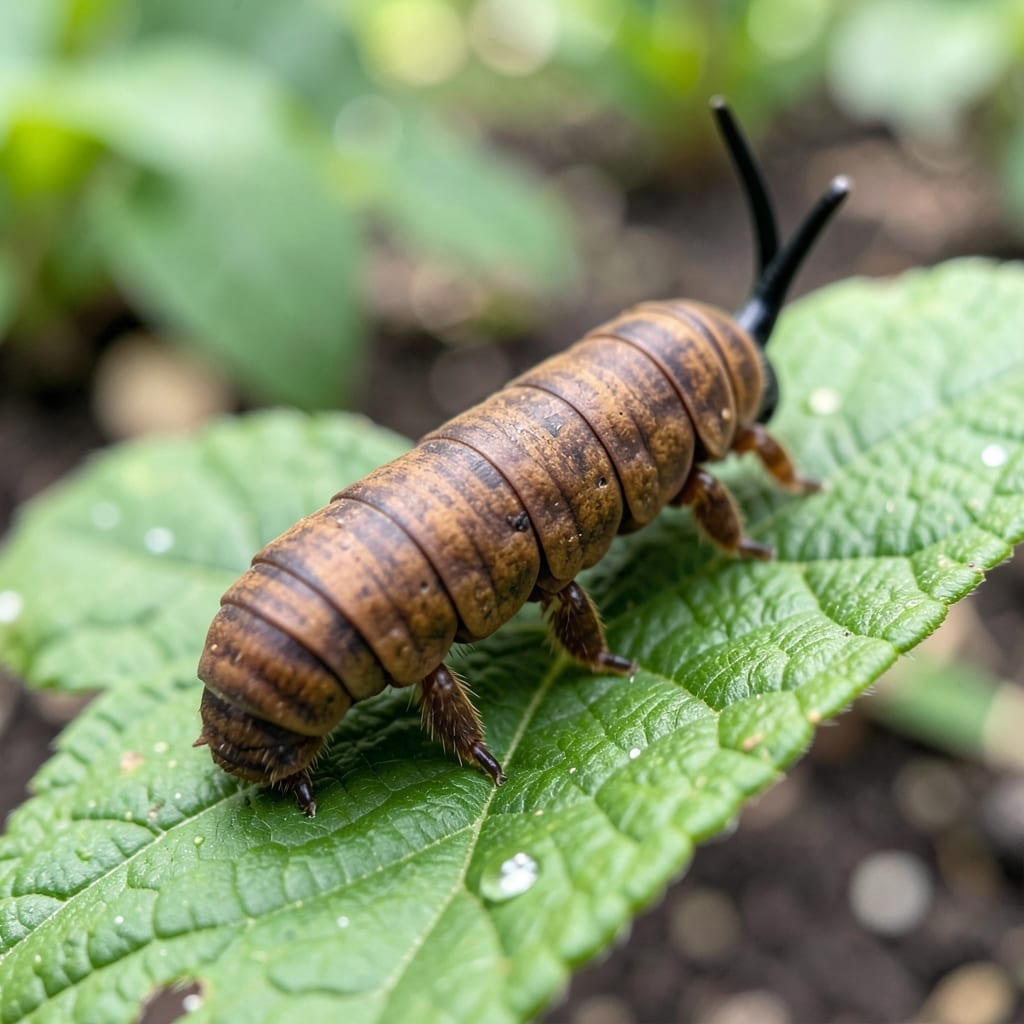
💥 Quick Answer This is likely the tomato hornworm or tobacco hornworm, both brown caterpillars with a prominent rear horn. They feed on plants like tomatoes and peppers, causing significant garden damage if left unchecked. I’ve seen these pests strip…
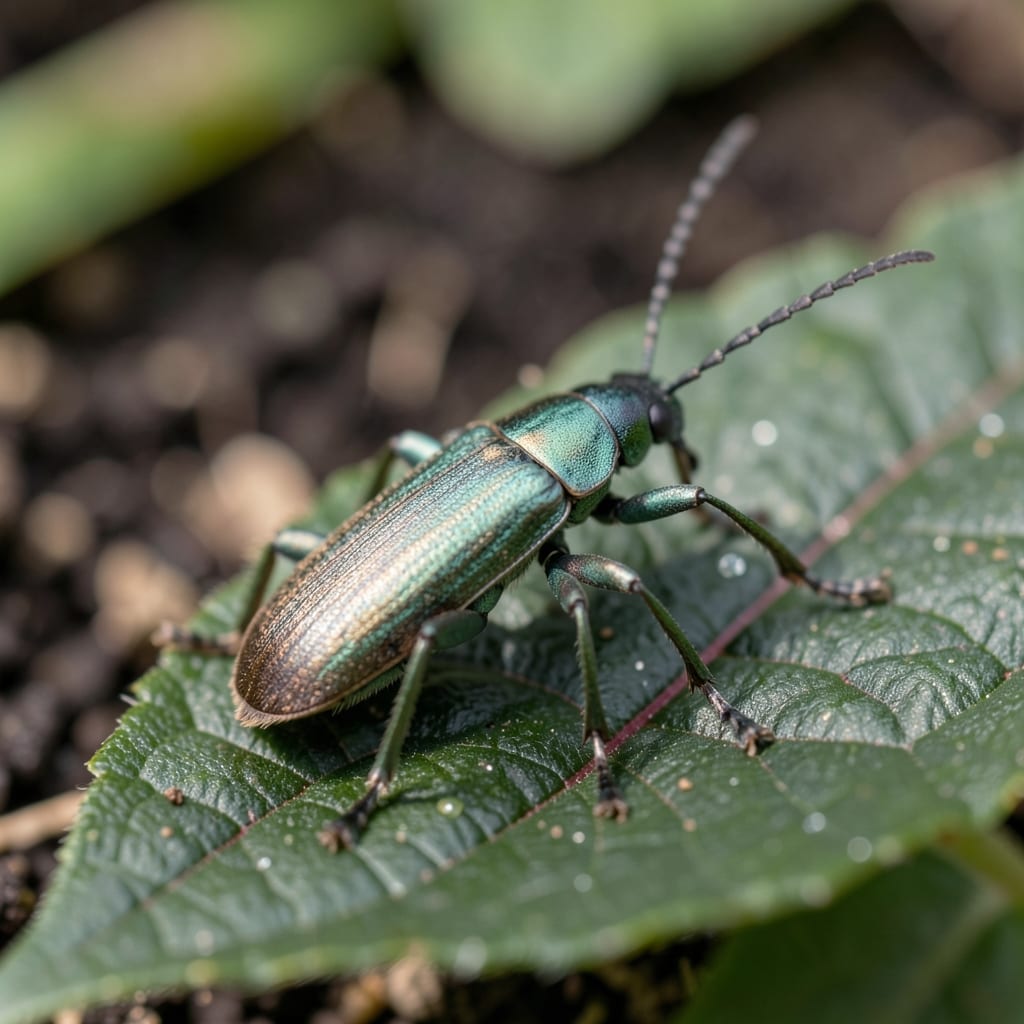
💥 Quick Answer The blister beetle belongs to the family Meloidae, with the most common genera being Epicauta, Lytta, and Meloe. Over 7,500 species exist worldwide. What fascinates me about these insects is their unique defense mechanism—producing cantharidin, a toxic…
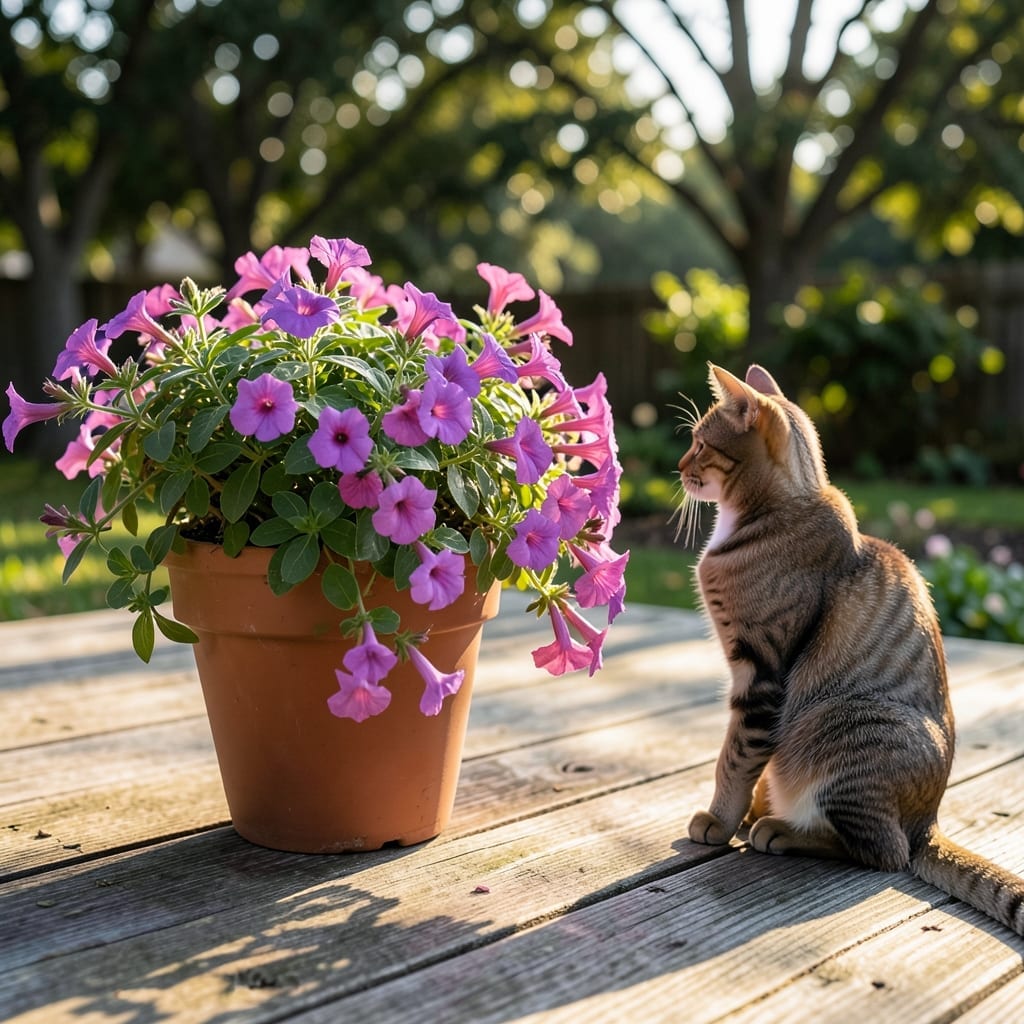
💥 Quick Answer Calibrachoa contains solanine and other alkaloids that are toxic to cats, causing vomiting, diarrhea, or lethargy if ingested. Seek veterinary care immediately if exposure occurs. These compounds disrupt a cat’s nervous system and digestion in ways that…

💥 Quick Answer Black eyed Susan vine contains toxic compounds that can cause vomiting, diarrhea, and skin irritation in dogs if ingested. Immediate veterinary attention is recommended. I’ve seen cases where curious pups nibble on garden plants out of boredom…
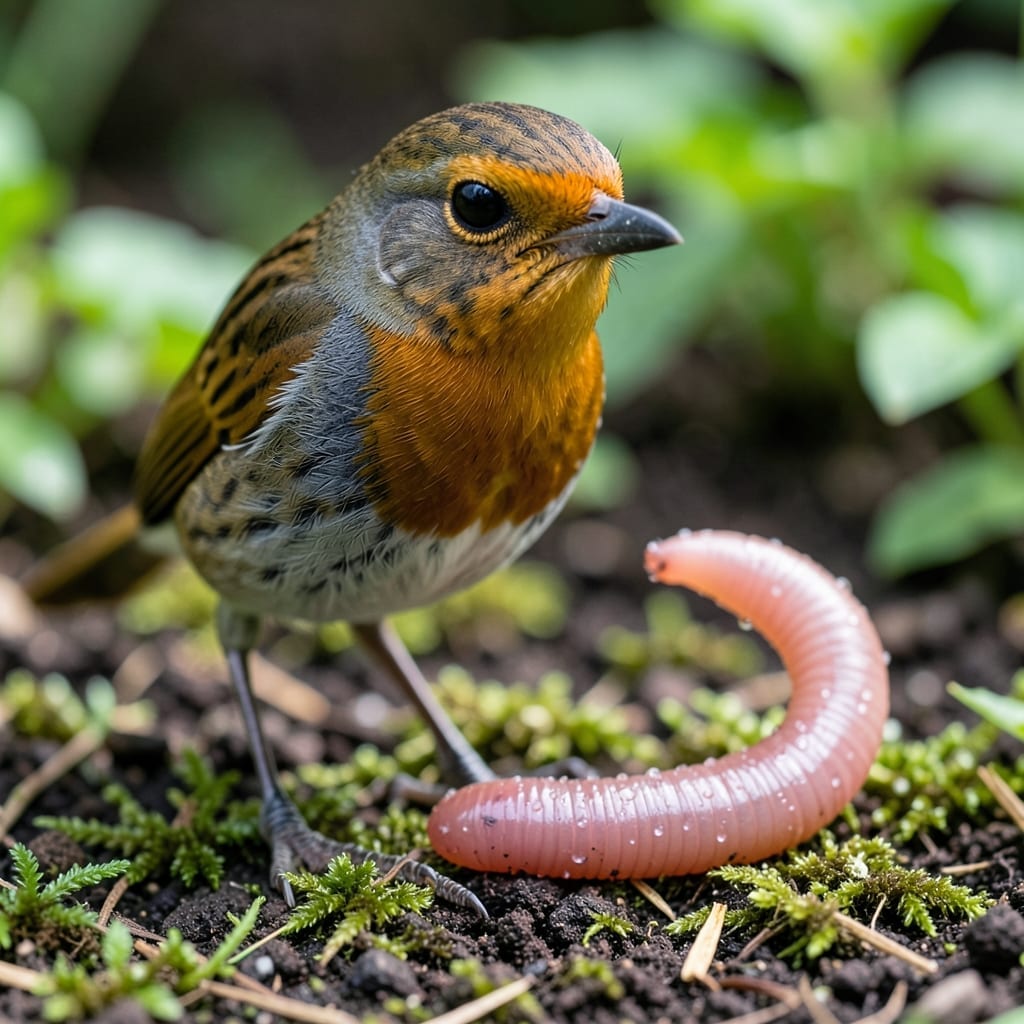
💥 Quick Answer Birds and worms form a vital ecological partnership where worms aerate soil and break down organic matter, while birds control worm populations and benefit from this protein-rich food source. This relationship thrives because worms create nutrient-rich castings…
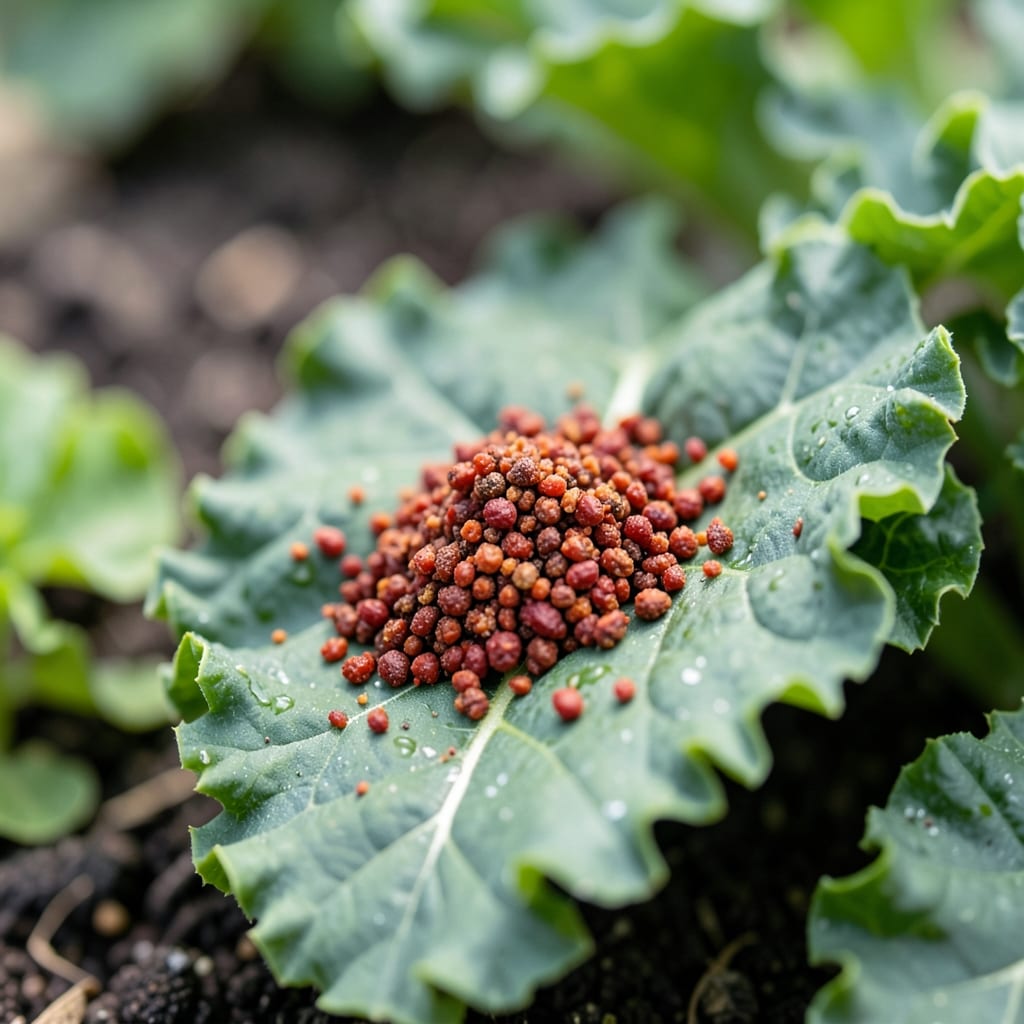
💥 Quick Answer Blood meal is highly toxic to rabbits and should never be used near them, as its high nitrogen content can cause severe poisoning. Opt for rabbit-safe organic fertilizers instead. I’ve seen gardeners unknowingly put their rabbits at…
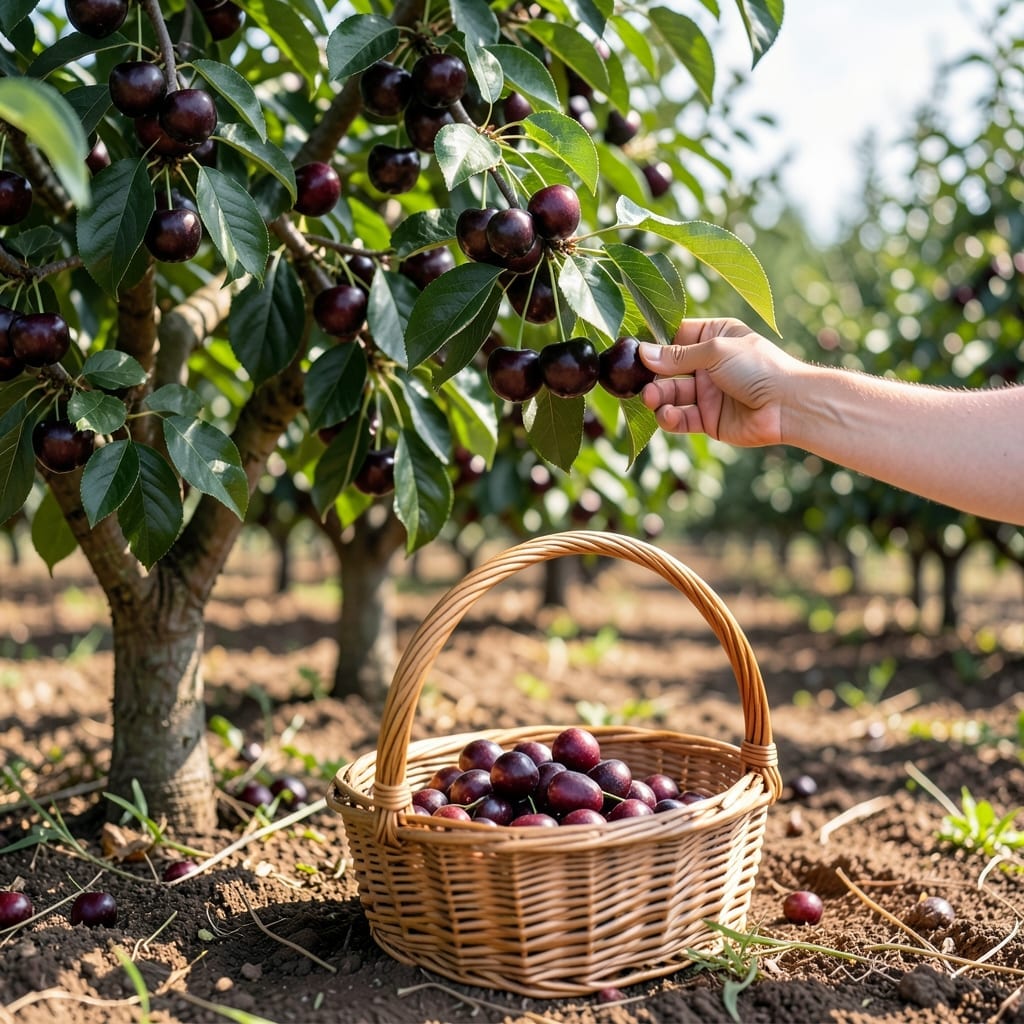
💥 Quick Answer Bing cherries offer a rich, sweet flavor with a subtle tart finish, balancing bold depth and juicy texture that makes them perfect for fresh eating or baking. I love how their natural sugar content delivers that immediate…

💥 Quick Answer Wash the affected skin with cool water and soap immediately, then apply calamine lotion or hydrocortisone cream. Oatmeal baths and cold compresses can soothe itching while the rash heals over 1-3 weeks. The urushiol oil in poison…
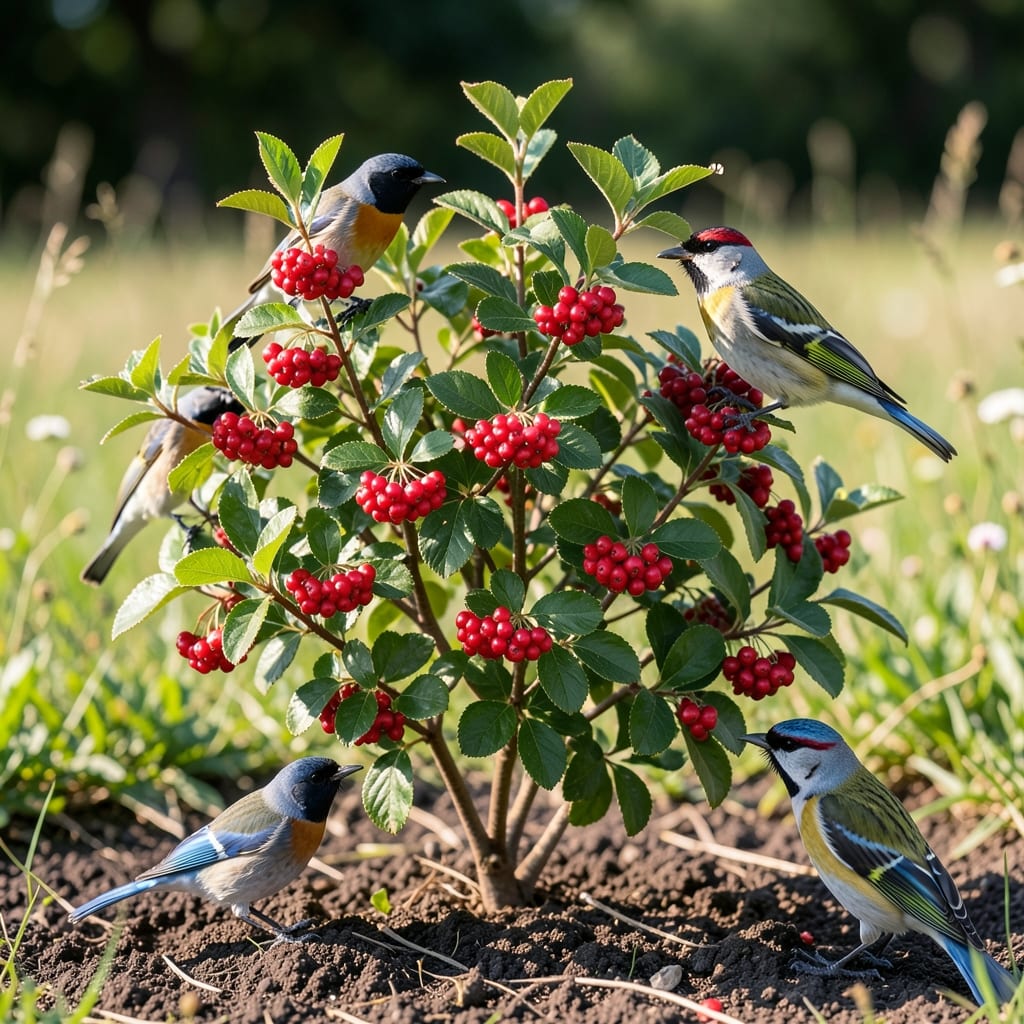
Why Birds Are Attracted to Berries Berries are nature’s perfect fast-food for birds, packed with high-calorie lipids and simple sugars that provide instant energy. A single 1-gram berry can contain 4-6 calories, making them ideal for small birds that need…

💥 Quick Answer Brunnera contains pyrrolizidine alkaloids that are toxic to dogs, causing liver damage, vomiting, or diarrhea if ingested. Keep pets away from this plant. I learned this the hard way when my neighbor’s pup got sick after nibbling…