
Beautiful Plants For Your Interior
Beautiful Plants For Your Interior
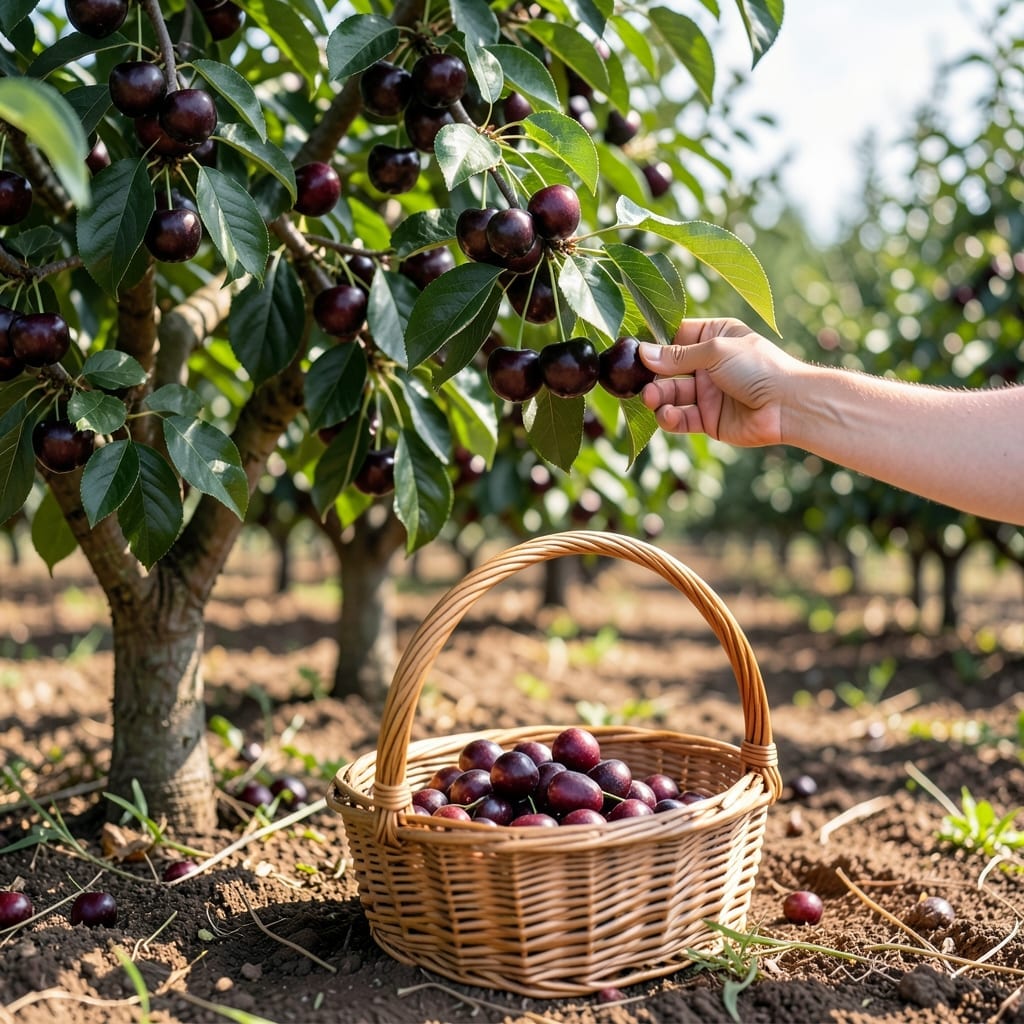
Bing cherries offer a rich, sweet flavor with a subtle tart finish, balancing bold depth and juicy texture that makes them perfect for fresh eating or baking.
I love how their natural sugar content delivers that immediate sweetness, while the gentle acidity keeps the flavor interesting. Bing cherries develop this complexity in warm climates with long growing seasons, which concentrates their sugars. This makes them particularly versatile in the kitchen, whether you’re snacking straight from the tree or adding them to a summer pie. ✨
💡 In This Article
The sugar-acid balance in Bing cherries is what creates their signature taste. These fruits typically contain 16-18% natural sugars (mostly fructose and glucose) paired with 0.5-1% malic acid, giving that bright finish. Warm climate regions like California and Washington grow them, where long sunny days concentrate these compounds in the fruit. 🔥
Ripeness dramatically changes the flavor experience. Underripe Bing cherries lean more tart with higher acidity levels, while perfectly ripe ones develop deeper sweetness as sugars increase during the final 2-3 weeks of maturation. The skin’s deep mahogany color indicates peak ripeness, signaling maximum sugar content. ✨
Compared to other varieties, Bings outshine Rainiers in sweetness but have less tartness than Montmorencys. Their flesh stays juicier longer because of higher water content (85-88%). This moisture content contributes to that satisfying burst when you bite into them, while their firm texture holds up well to baking temperatures. 💫
Growing conditions play a crucial role in flavor development. The warm days and cool nights in Pacific Northwest orchards create ideal conditions for sugar accumulation. Cherries grown in these regions often test 2-3 Brix points higher in sweetness than those from cooler climates, explaining why Washington Bings taste particularly rich and complex. ⚡
What most people don’t realize is how the cherry’s internal structure affects taste. The dense flesh-to-pit ratio means more edible fruit per cherry, concentrating flavor. Their larger size (1 inch diameter on average) also allows for more sugar development compared to smaller varieties, making each bite more satisfying. 🌟
Their higher sugar content (16-18%) and lower acidity (0.5-1%) create a sweeter, richer profile than most. The warm growing climates concentrate these flavors, giving them a deeper taste compared to lighter varieties like Rainiers.
Look for deep mahogany color and firm texture. Underripe ones taste more tart, while perfectly ripe cherries develop maximum sweetness during the final 2-3 weeks of maturation.
Both! Their natural sweetness pairs with dark chocolate in desserts or red wine in duck sauces. For baking, their firm texture holds up well at 375°F for 45-50 minutes.
Unwashed, they’ll keep in the fridge for 1-2 weeks. For longer storage, freeze pitted cherries on a tray first—they’ll maintain quality for 6-8 months.