
Beautiful Plants For Your Interior
Beautiful Plants For Your Interior
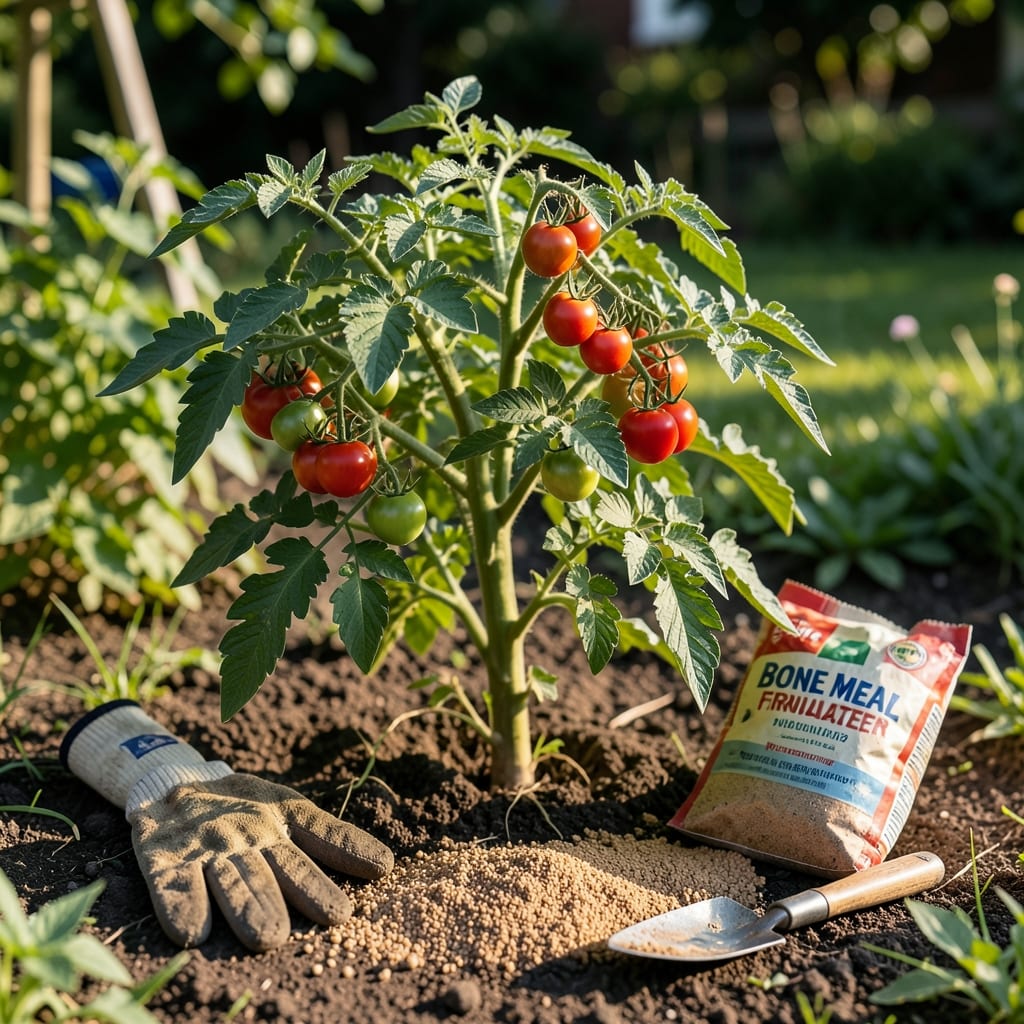
Bone meal provides slow-release phosphorus to boost root development and flowering in vegetables. It’s ideal for heavy feeders like tomatoes and peppers but should be worked into soil before planting.
I’ve seen remarkable results using this in my garden because phosphorus directly fuels the energy transfer plants need for strong root systems. Heavy feeders like squash and broccoli also thrive with it, though you’ll want to apply 3-5 lbs per 100 sq ft for best results. 🔥
What sets it apart is its organic origin, breaking down gradually to prevent nutrient burn while improving soil structure over time.
💡 In This Article
Bone meal works through its 20-30% phosphorus content, which exists as calcium phosphate. Soil microbes gradually break this down into soluble phosphates, feeding roots at a steady pace. This process can take 4-6 weeks to fully release, making it perfect for long-term soil enrichment rather than quick fixes. 🔥
The phosphorus triggers cellular division in root tips, creating more root hairs. This expands the plant’s ability to absorb water and nutrients from the soil. In tomatoes, this means stronger anchorage and better drought resistance. In carrots, it translates to straighter, more uniform growth. ✨
What most gardeners overlook is the calcium bonus. Bone meal contains 20-25% calcium, which strengthens cell walls and prevents disorders like blossom end rot. The slow release prevents calcium from leaching away in rainy conditions, unlike synthetic fertilizers. 🌟
The granular texture also improves soil structure by creating tiny air pockets. This boosts oxygen flow to roots while maintaining moisture retention. In clay soils, it helps prevent compaction. In sandy soils, it increases water-holding capacity. 💫
For maximum effect, the soil pH matters. Bone meal works best in slightly acidic to neutral soils (pH 6.0-7.0). In alkaline soils above pH 7.5, phosphorus becomes less available to plants, requiring additional soil amendments.
Apply once at planting, then every 6-8 weeks for heavy feeders like tomatoes. For light feeders, a single application at planting is sufficient. Avoid overuse, as excess phosphorus can leach into waterways.
Yes, it’s a natural, slow-release fertilizer made from animal bones. It’s OMRI-listed for organic use, but ensure it’s from a trusted source to avoid contaminants. Always follow package instructions.
It’s best for root crops and fruiting plants like tomatoes and peppers. Avoid using it on phosphorus-sensitive plants like beans or peas, which fix their own nitrogen.
Over-application can lead to nutrient imbalances, stunting plant growth. It may also harm beneficial soil microbes. Stick to recommended rates: 1-10 lbs per 100 sq ft depending on the crop.