
Beautiful Plants For Your Interior
Beautiful Plants For Your Interior
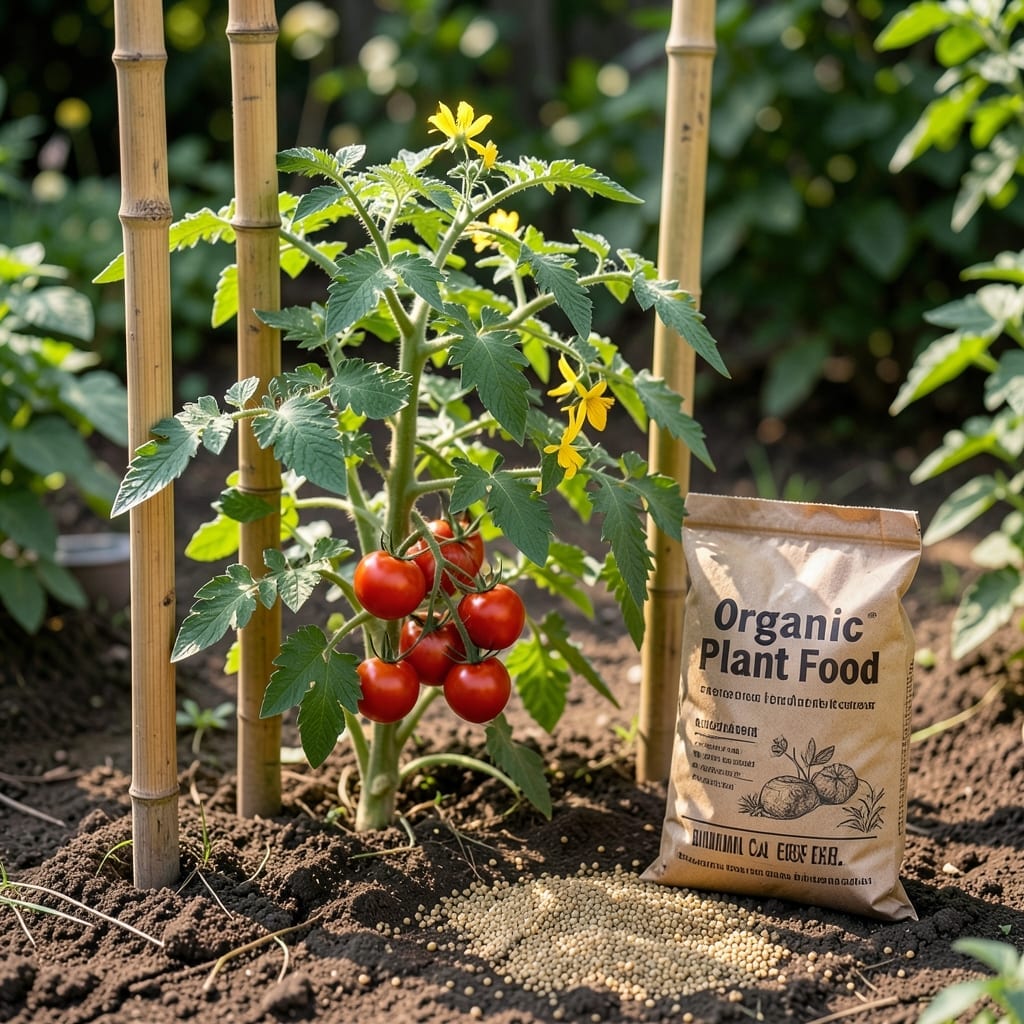
Tomato plants are heavy feeders, but knowing when and how to fertilize them can mean the difference between a mediocre harvest and a bumper crop.
I’ve seen 🍅 Tomato plants transform with the right nutrients at the right time. Whether you’re growing in containers or garden beds, understanding their needs is the key to success.
You might be surprised to learn that even healthy-looking plants can be starving for essential nutrients. The signs aren’t always obvious until it’s too late.
Let me show you how to give your tomatoes exactly what they need for that healthy, productive growth you’re aiming for this season.
If you’ve ever grown tomato plants, you know they’re not shy about their needs. These heavy feeders require consistent nutrients to produce those juicy, vibrant fruits we all love. Without proper fertilization, they’ll struggle with poor growth and low yields
I’ve seen firsthand how fertilizer transforms a lackluster tomato plant into a thriving powerhouse. The right nutrients support strong roots, lush foliage, and abundant fruit production. But it’s not just about dumping fertilizer – it’s about understanding what your plants need at each growth stage
| Nutrient | Role in Tomato Growth | Key Growth Stage |
|---|---|---|
| Nitrogen (N) | Promotes leafy growth | Early vegetation |
| Phosphorus (P) | Supports root development and flowering | Transplanting, flowering |
| Potassium (K) | Enhances fruit quality and disease resistance | Fruiting, maturity |
| Calcium | Prevents blossom end rot | Throughout season |
Tomatoes are particularly sensitive to nutrient imbalances. Too much nitrogen gives you bushy plants with few fruits, while phosphorus deficiency leads to weak roots and poor flowering. I always recommend a balanced approach tailored to your plant’s stage
During the vegetative stage, focus on nitrogen-rich fertilizers to build strong stems and leaves. But once flowers appear, switch to a high-phosphorus formula to encourage fruit set. This simple adjustment can double your harvest compared to using the same fertilizer all season
I’ve found that organic fertilizers like compost tea or fish emulsion work wonders for tomatoes. They release nutrients slowly, reducing the risk of burning your plants while improving soil health long-term. Plus, they’re gentle enough for container-grown tomatoes too
Watch for deficiency signs: yellow leaves often indicate nitrogen shortage, while purple stems suggest phosphorus lack. Brown leaf edges might mean potassium deficiency. Catching these early lets you adjust your feeding before permanent damage occurs
Remember, soil testing is your best friend. I test my soil every spring to check pH levels and nutrient content. Tomato plants thrive in slightly acidic soil (pH 6.0-6.8). If your soil is off, amending it before planting gives your tomatoes the best start
Even with the best fertilizer, consistency matters. I feed my tomatoes every 2-3 weeks during the growing season, alternating between liquid feeds and granular options. This schedule matches their nutrient uptake patterns perfectly
In my experience, over-fertilizing does more harm than good. Always follow package instructions and when in doubt, use less. It’s easier to add more later than to fix fertilizer burn or nutrient toxicity 🌱
Timing is everything when it comes to fertilizing tomato plants. I always start with a balanced fertilizer at planting, then switch to a high-phosphorus formula once flowers appear to boost fruit production.
During the growing season, I feed my tomatoes every 2-3 weeks with either granular or liquid fertilizer. The key is consistency—over-fertilizing can lead to leafy growth at the expense of fruit.
I prefer liquid fertilizers for quick absorption, especially for container-grown tomatoes. They allow me to adjust nutrient levels precisely as the plants grow.
For organic gardeners, fish emulsion and compost tea work wonderfully. These provide gentle, steady nutrition without the risk of burning plants.
Avoid fertilizing dry soil—always water first to prevent root damage. I also stop fertilizing 2 weeks before harvest to avoid affecting fruit flavor.
Remember, yellow leaves or stunted growth often signal nutrient deficiencies. A soil test can reveal exactly what your tomatoes need for that bumper crop. 🌱