
Beautiful Plants For Your Interior
Beautiful Plants For Your Interior
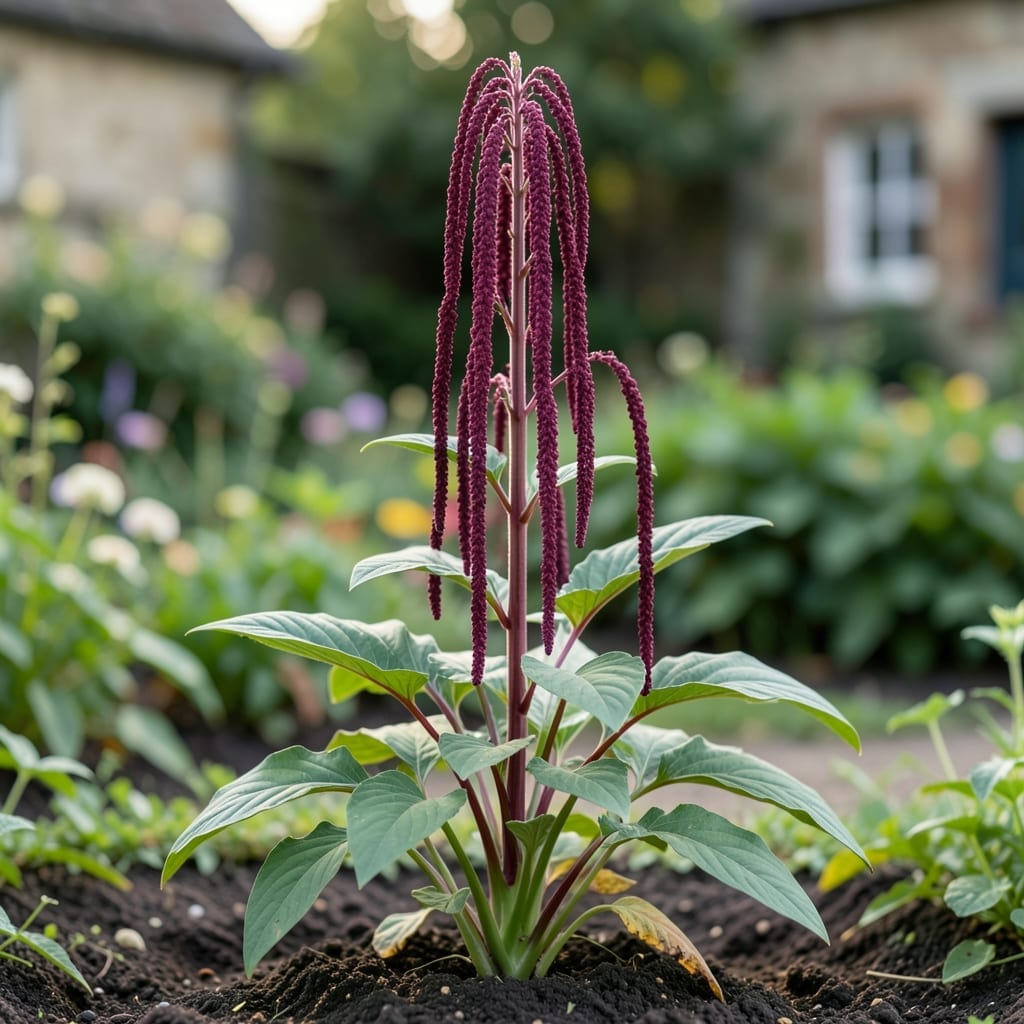
Yellowing, wilting, or spotted leaves on love lies bleeding often signal fungal diseases, overwatering, or nutrient deficiencies. Early diagnosis and treatment can restore plant health.
I’ve noticed these plants often develop rust-colored spots or white powdery coatings when fungal issues take hold, especially in humid conditions. Proper air circulation and avoiding wet foliage can prevent many of these problems before they start. 🌟
Another common culprit is inconsistent watering, which stresses the roots and shows up as drooping or discolored leaves. Testing your soil’s moisture level and adjusting your routine can make a noticeable difference. 💛
💡 In This Article
The rust-colored spots you see are often Puccinia amaranthi, a fungal pathogen that thrives in 70-80°F temperatures with high humidity. This fungus penetrates leaf tissues, disrupting chlorophyll production and creating those distinctive orange-brown pustules on the undersides of leaves. 🔥
Powdery mildew appears as a white, flour-like coating on upper leaf surfaces, caused by Erysiphe fungi that spread rapidly in still air. Unlike rust, this grows on the surface, blocking sunlight and weakening the plant’s ability to photosynthesize effectively. 💛
Bacterial leaf spot creates water-soaked lesions that turn yellow or brown with dark edges. The bacteria Xanthomonas enters through stomata or wounds, multiplying in the leaf’s intercellular spaces and causing tissue collapse. This often spreads during overhead watering or heavy rains. ✨
Environmental stress manifests as general yellowing or wilting. Overwatering leads to root rot, preventing nutrient uptake, while underwatering causes leaf edges to brown and crisp. Nutrient deficiencies (especially nitrogen or magnesium) show as interveinal chlorosis—yellowing between leaf veins. 🌟
Early detection is key. Check leaf undersides weekly with a 10x magnifier for spores or lesions. Note that love lies bleeding is particularly susceptible during its rapid growth phase in early summer when new leaves are most tender. 💫
This is powdery mildew, caused by Erysiphe fungi thriving in still air. It spreads quickly in humid conditions, blocking sunlight and weakening the plant. Improve airflow and treat with neem oil to control it.
Rust spots are Puccinia amaranthi fungus. Remove infected leaves immediately and apply neem oil every 7-10 days. Avoid overhead watering to prevent further spread.
This indicates magnesium deficiency. Use a foliar spray of 1 tablespoon Epsom salt per gallon of water. For prevention, apply balanced fertilizer every 4-6 weeks.
Yes, overwatering leads to root rot, preventing nutrient uptake. Leaves may wilt, yellow, or develop brown edges. Water deeply but less frequently, ensuring soil drains well.