
Beautiful Plants For Your Interior
Beautiful Plants For Your Interior
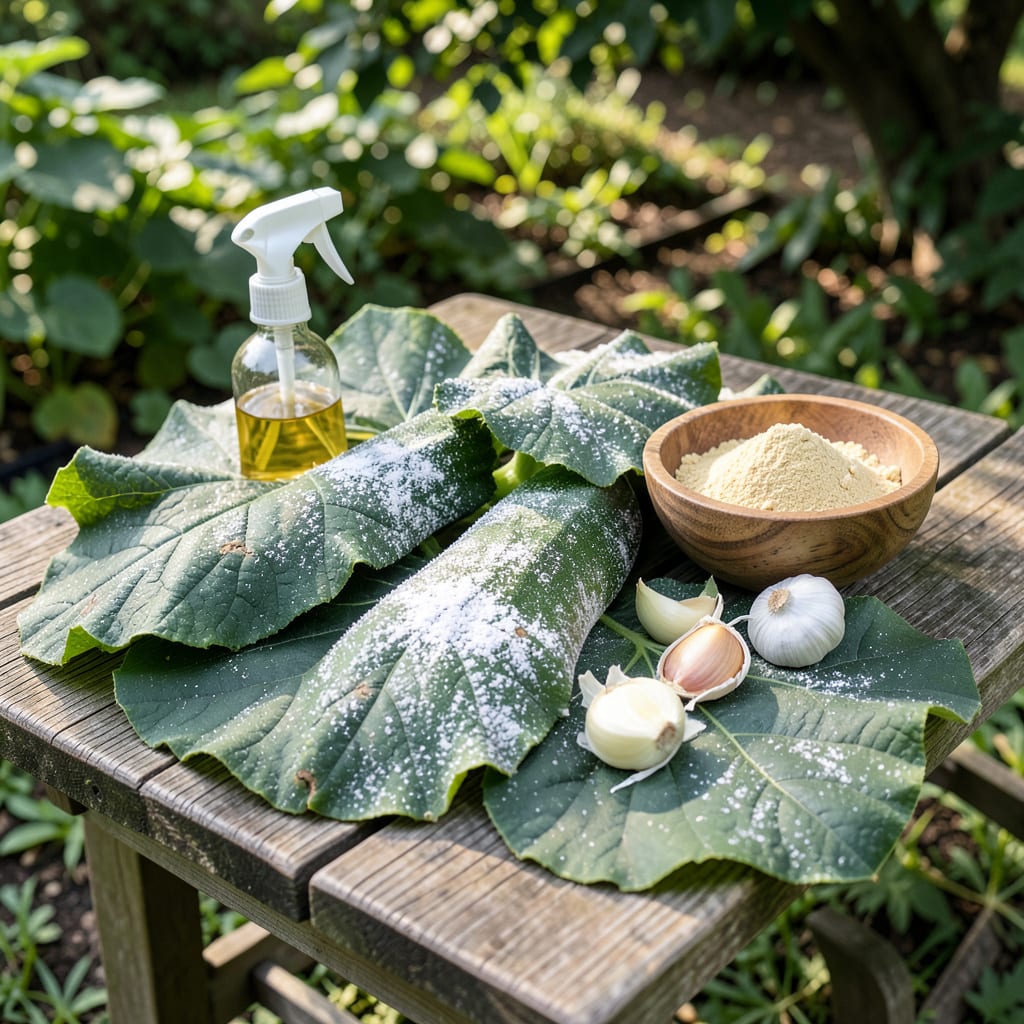
White dust on zucchini leaves means trouble, but it’s fixable. I’ve battled powdery mildew every summer until I found a foolproof organic approach that stops it in its tracks without harsh chemicals.
This fungus thrives in warm, humid conditions, spreading fast if ignored. The key is catching it early—those first white spots appear on upper leaves before taking over the whole plant.
My treatment involves a simple spray made from household items that clears up mildew within 48 hours. The plants bounce back stronger, with no risk to pollinators or your harvest.
Prevention is just as important as the cure. A few adjustments to spacing and watering keep this problem from returning next season.
Powdery mildew on zucchini leaves doesn’t appear out of thin air—it thrives under specific conditions. Understanding these triggers helps you prevent and treat the issue effectively.
Warm, humid environments (60–80°F with 70–90% humidity) create the perfect breeding ground for Erysiphe cichoracearum, the fungus responsible for powdery mildew. Stagnant air traps moisture around leaves, accelerating spore germination. Crowded plantings or dense foliage worsen this by blocking airflow.
Watering from above leaves foliage damp for extended periods, giving fungal spores time to settle and grow. Zucchini leaves are particularly susceptible when moisture lingers on their surfaces, especially in the evening when temperatures drop.
Excess nitrogen promotes lush, tender leaf growth—exactly what powdery mildew loves. Soft, rapidly growing foliage lacks the structural defenses to resist fungal invasion. Balanced fertilization (prioritizing phosphorus and potassium) strengthens plant cell walls.
While zucchini needs sunlight, shaded areas (under 6 hours of direct sun) retain moisture longer. Reduced UV exposure also weakens the plant’s natural fungicidal compounds, like resveratrol, making it more vulnerable to infection.
Some zucchini cultivars lack genetic resistance to powdery mildew. Heirloom or older varieties, for example, often succumb faster than modern disease-resistant hybrids like ‘Dunja’ or ‘Astia’.
Powdery mildew doesn’t have to spell doom for your zucchini plants! Here’s how to tackle it based on the cause, plus prevention tips to keep your garden thriving.
Thick foliage traps moisture and blocks airflow, creating a perfect breeding ground for mildew. Fix it by pruning overcrowded leaves—focus on the oldest, most affected ones first. Space plants at least 2-3 feet apart to improve ventilation. Prevention tip: 💡 Plant zucchini in a breezy spot or use trellises to lift vines off the ground.
Wet leaves + humidity = mildew heaven. Fix it by watering at the base of the plant (not overhead) and doing so early in the day so foliage dries quickly. Drip irrigation is ideal. Prevention tip: 🌡️ Avoid evening watering, and mulch around plants to reduce soil moisture evaporation.
Weak or over-fertilized plants are more susceptible. Fix it with a balanced, slow-release organic fertilizer (like compost tea) to strengthen resistance. Avoid excess nitrogen, which promotes leafy growth at the expense of disease resistance. Prevention tip: ✨ Rotate crops yearly to prevent soil depletion.
For active infections, spray leaves with neem oil (mix 1 tbsp per gallon of water + ½ tsp dish soap) or baking soda solution (1 tsp baking soda, 1 quart water, few drops of soap). Apply weekly or after rain. Prevention tip: 🎯 Remove fallen leaves and debris to eliminate fungal spores.
Yes, a diluted apple cider vinegar spray (2-3 tbsp per gallon of water) can help. Apply in the morning to avoid leaf burn, and always test on a small area first.
For active infections, spray every 5-7 days or after rain. Prevention sprays can be applied every 2-3 weeks during humid weather.
Remove severely infected leaves immediately to stop the spread. Use clean shears and dispose of leaves in the trash (not compost).
Yes, the fruit remains safe to eat. Wash thoroughly before consuming. The mildew only affects the leaves, not the edible parts.
