
Beautiful Plants For Your Interior
Beautiful Plants For Your Interior
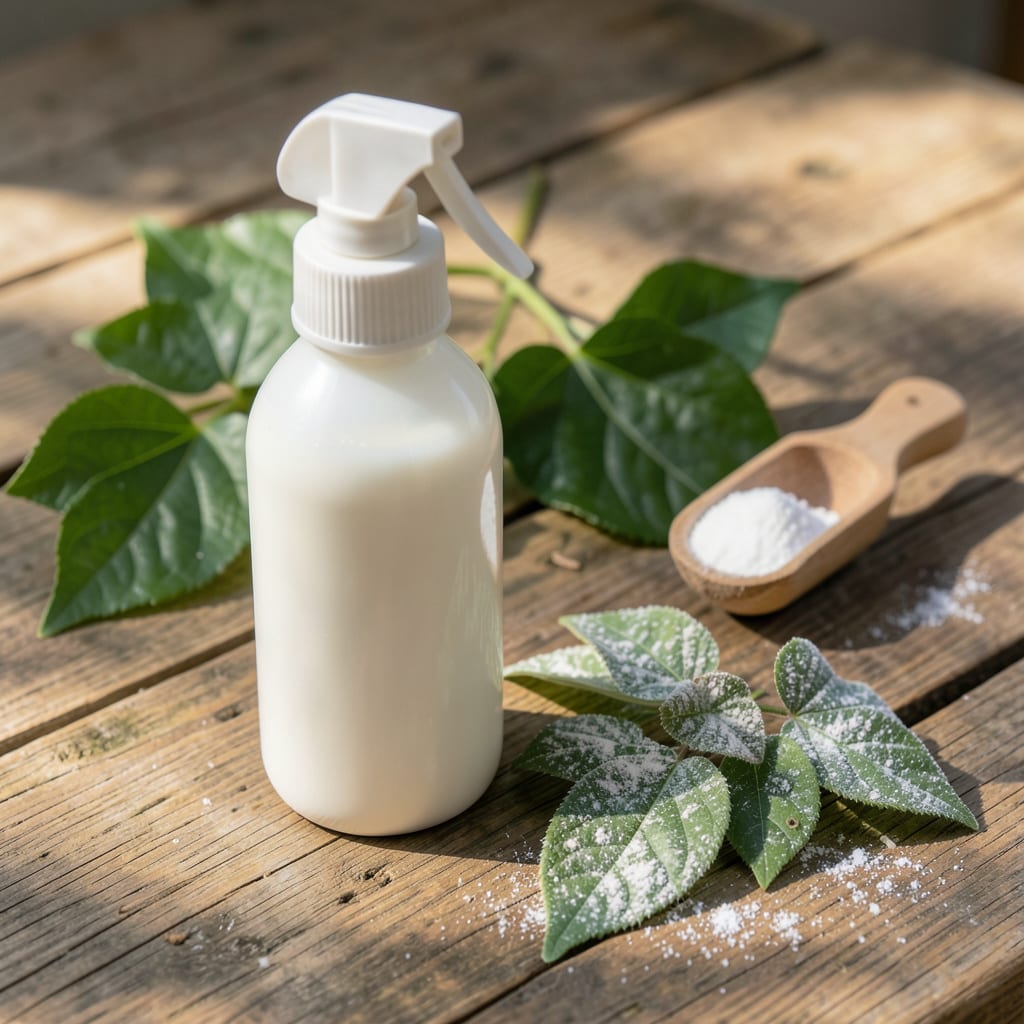
That white dust on your leaves isn’t flour—it’s trouble. 🌿 I first spotted powdery mildew on my zucchini last summer, and ignoring it cost me half my crop before I learned this simple fix.
The problem thrives in dry foliage with high humidity, which is why crowded plants and poor air circulation make perfect targets. Roses, squash, and cucumbers are especially vulnerable, but it can hit almost anything in your garden.
Here’s the thing—baking soda spray works because it creates an alkaline environment that fungi can’t stand. It’s 100% organic, safe for edibles, and costs pennies per gallon. I mix it weekly now as prevention.
You’ll see results within 48 hours of the first application. The white spots stop spreading, and new growth comes in clean. No harsh chemicals, just smart plant protection.
White powdery mildew is a common fungal disease that thrives under specific environmental conditions. Understanding its root causes helps in prevention and targeted white powdery mildew treatment.
This fungus flourishes in environments with relative humidity above 60%. When moisture lingers on plant surfaces—especially in poorly ventilated areas—spores germinate rapidly. Greenhouses and crowded plantings are particularly vulnerable.
Stagnant air traps humidity around foliage, creating a breeding ground for spores. Dense canopies, overcrowded gardens, or indoor plants without airflow directly contribute to outbreaks. Pruning and spacing plants improves circulation.
Wetting leaves during irrigation (especially in the evening) extends surface moisture duration. The fungus Podosphaera and Erysiphe species need just 6–12 hours of leaf wetness to infect. Drip irrigation at the base avoids this.
Daytime warmth (70–80°F) followed by cool nights (50–60°F) stresses plants and slows leaf drying. These conditions are ideal for spore production. Row covers or climate control can mitigate this in sensitive crops.
Some plants, like roses, cucumbers, and squash, lack genetic resistance. Fungal spores overwinter in debris and infect new growth in spring. Choosing resistant cultivars (e.g., powdery mildew-resistant zinnias) reduces risk.
Tackling white powdery mildew starts with the right approach for your situation. Here’s how to solve it based on the cause:
Fix: Thin out dense foliage to improve airflow. Prune infected leaves and stems first, then space remaining plants at least 12–18 inches apart. This reduces humidity buildup.
Prevention tip: 💡 Start with proper spacing when planting, and avoid over-fertilizing with nitrogen, which promotes lush, susceptible growth.
Fix: Water at the base of plants early in the day so leaves dry quickly. Use a fan or improve ventilation in greenhouses or indoor setups.
Prevention tip: 🌡️ Aim for humidity levels below 60%. A simple hygrometer can help you monitor conditions.
Fix: Move potted plants to breezier spots or add an oscillating fan for consistent airflow. For garden beds, stake or trellis plants to lift them off the ground.
Prevention tip: ✨ Regularly clean up fallen leaves and debris, which can trap moisture and harbor spores.
Fix: Apply a baking soda spray (1 tbsp baking soda, 1 tsp dish soap, 1 gallon water) weekly at the first sign of mildew. Focus on both sides of leaves.
Prevention tip: 🎯 Choose resistant varieties when planting, such as powdery mildew-resistant cucumbers or zinnias.
Fix: Remove and discard (do not compost) heavily infected plant debris. Sterilize pruners and tools with rubbing alcohol between uses.
Prevention tip: 🔥 Rotate crops annually to prevent spores from overwintering in the soil.
Consistency is key—combine these fixes with regular monitoring to keep your plants healthy and mildew-free!
Yes, but test on a small area first. The mild alkaline solution is safe for most plants, including edibles like cucumbers and roses. Avoid using it in full sun to prevent leaf burn.
Apply weekly as prevention or every 5-7 days at the first sign of infection. Consistency is key since spores can reinfect quickly. Always spray after rain or watering.
Spores can overwinter in soil or plant debris. Improve airflow, remove infected leaves, and avoid overhead watering. Resistant plant varieties also reduce recurrence.
