
Beautiful Plants For Your Interior
Beautiful Plants For Your Interior
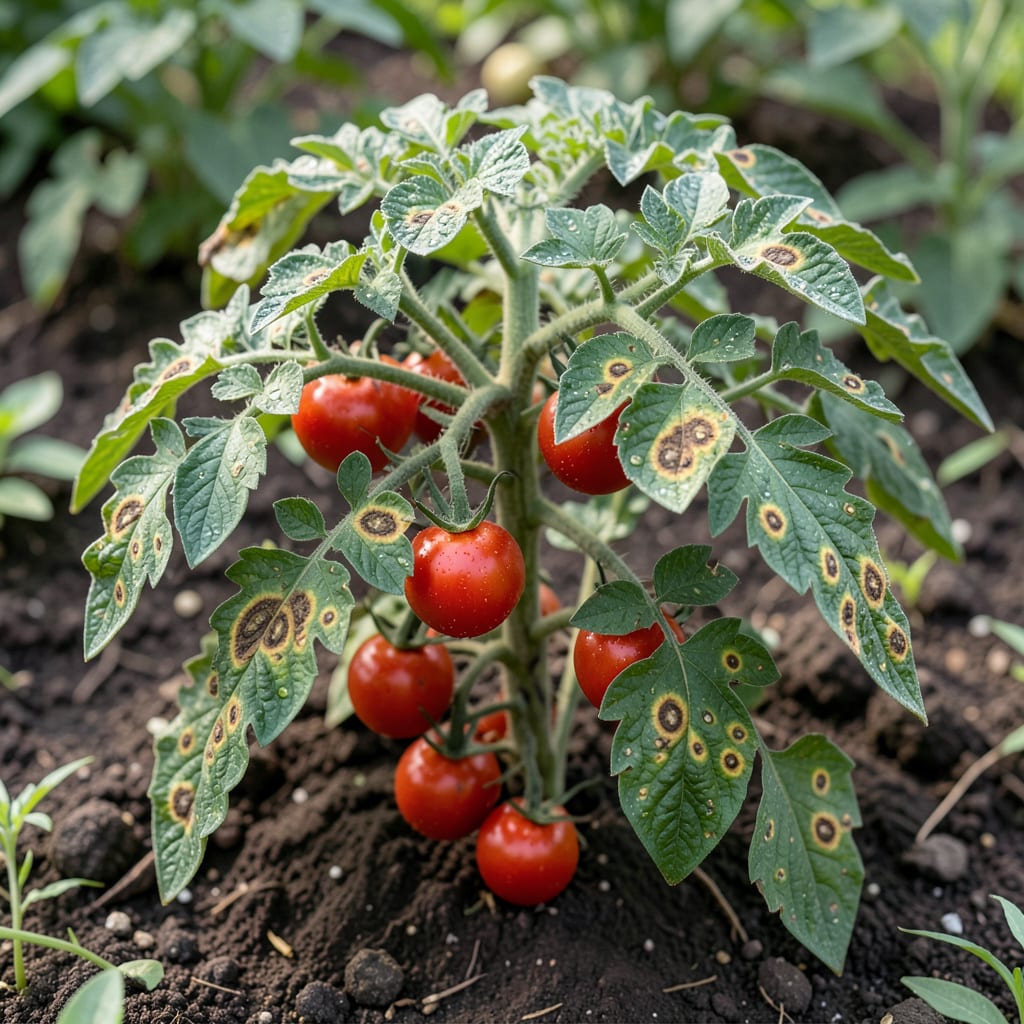
Brown spots on your tomato leaves aren’t just ugly—they’re a warning. I’ve lost entire crops to leaf spot disease by ignoring the first signs, thinking it would just “go away.” It won’t.
The spots start small, dark, and water-soaked, then spread fast. Left unchecked, they yellow the leaves, weaken the plant, and slash your harvest. Most gardeners don’t realize how quickly this can escalate in warm, wet conditions.
Good news: organic treatments work if you act early. Copper sprays, neem oil, and even homemade baking soda mixes can stop the spread. The key is consistency—just one application won’t cut it.
Prevention beats cure every time. Proper spacing, drip irrigation, and crop rotation next season will save you this headache. Here’s how to fight back.
Leaf spot disease in tomato plants doesn’t appear out of nowhere—it’s usually a sign of environmental stress or pathogen invasion. Here’s why it happens:
The most common culprits are Alternaria solani (early blight) and Septoria lycopersici (Septoria leaf spot). These fungi thrive in warm, wet conditions, spreading via spores in water splashes from rain or irrigation. Overhead watering or poor air circulation creates the perfect breeding ground.
Pseudomonas syringae and Xanthomonas spp. cause bacterial leaf spot, entering plants through wounds or stomata. These bacteria multiply rapidly in high humidity and are often spread by contaminated tools, insects, or infected seed.
Weakened plants are more susceptible. Overcrowding, poor drainage, or nutrient deficiencies (especially calcium or potassium) stress tomatoes, making them vulnerable. Even fluctuating temperatures can trigger outbreaks.
Fungal spores and bacteria can overwinter in soil or on decaying plant matter. If you don’t rotate crops or remove old foliage, pathogens linger, ready to reinfect the next season’s tomatoes.
Leaf spot disease can be frustrating, but with the right approach, your tomato plants can bounce back. Below are targeted solutions for common causes, along with prevention tips to keep your garden thriving.
If fungal spores are the culprit, start by removing infected leaves immediately to prevent spreading. Prune affected areas in dry weather and dispose of the debris far from your garden. Apply a copper-based fungicide or a homemade mix of baking soda (1 tsp), water (1 quart), and a drop of dish soap as a spray. Reapply every 7–10 days or after rain.
Prevent it: Improve air circulation by spacing plants 2–3 feet apart. Water at the base (not overhead) to keep foliage dry, and use mulch to reduce soil splashing onto leaves.
For bacterial leaf spot, remove and destroy infected plants—do not compost them. Disinfect pruning tools with rubbing alcohol between cuts. Rotate crops yearly to avoid replanting tomatoes in the same spot.
Prevent it: Use drip irrigation to minimize moisture on leaves. Choose resistant tomato varieties like ‘Mountain Merit’ or ‘Defiant’ for future plantings.
Pests like aphids or whiteflies can spread disease. Introduce beneficial insects like ladybugs or lacewings, or spray plants with neem oil to deter invaders. Remove weeds that may harbor pests.
Prevent it: Inspect plants weekly for early pest signs. Encourage biodiversity with companion plants like basil or marigolds.
Weak plants are more susceptible. Strengthen them with a balanced organic fertilizer (e.g., compost tea or fish emulsion) to improve vigor. Avoid over-fertilizing with nitrogen, which promotes leafy growth at the expense of disease resistance.
Prevent it: Test soil annually and amend with compost. Healthy soil = healthy plants!
💡 Pro Tip: Always water in the morning so foliage dries quickly, reducing disease-friendly moisture.
Fungal spots often have concentric rings and appear on lower leaves first. Bacterial spots are smaller, water-soaked, and may have a yellow halo. A magnifying glass reveals fuzzy growth for fungi, smooth edges for bacteria.
If over 50% of the plant is affected, it’s best to remove and destroy it to prevent spreading. Early cases can often recover with treatment and proper care. Never compost infected material.
A baking soda spray (1 tsp per quart of water with a drop of soap) works within 24-48 hours. Apply in dry conditions and reapply after rain. Neem oil is another quick organic option.
Yes, especially to other tomatoes and related plants like potatoes and peppers. Isolate infected plants immediately and avoid working with them when wet to prevent spreading.
