
Beautiful Plants For Your Interior
Beautiful Plants For Your Interior
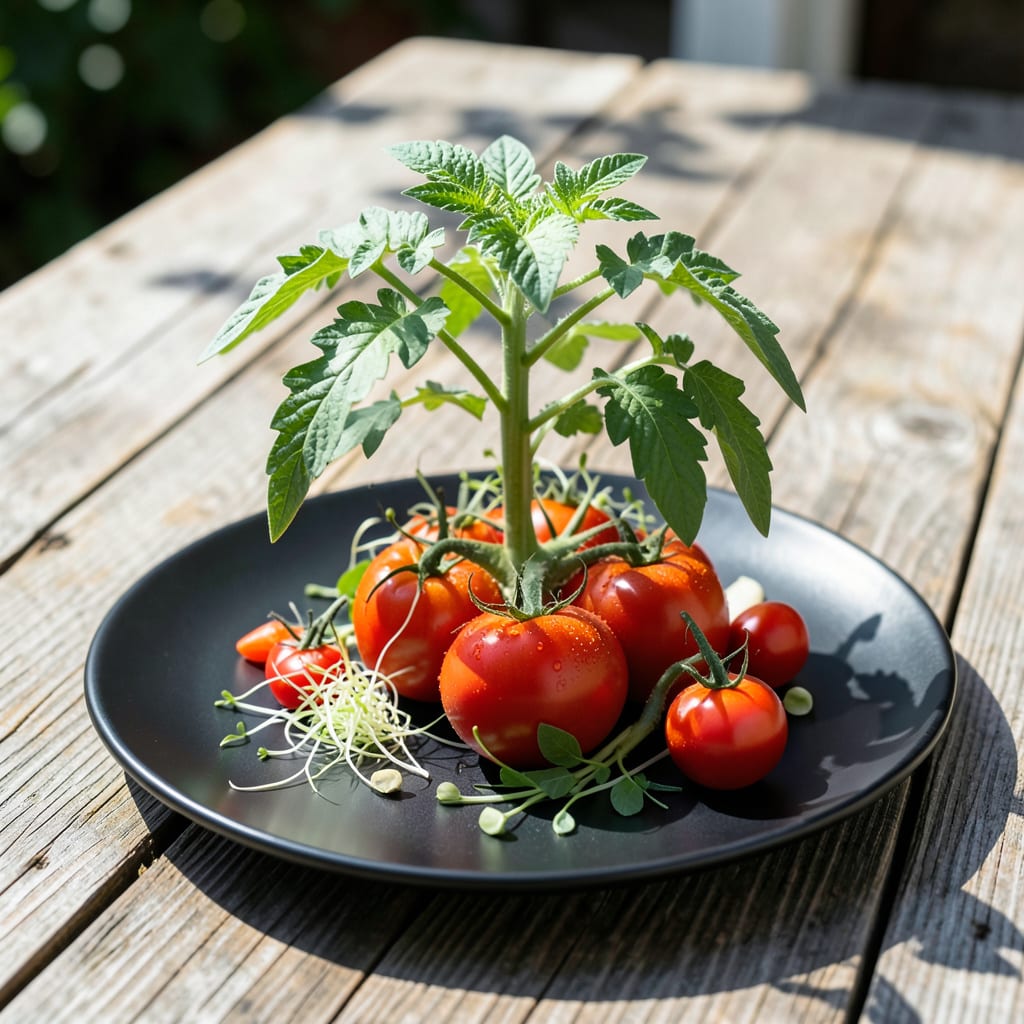
I’ve always been amazed by how tall 🍅 Tomato plants can grow – some varieties can reach heights of 6 feet or more! Understanding their growth potential is key to planning a successful garden.
In USDA Zone 6, Tomato plants typically thrive in the spring season after the last frost. With proper care and support, these plants can become quite tall, producing a bountiful harvest.


I’ve found that several key factors influence how tall tomato plants can grow. The variety selection is crucial, as different types of tomatoes have varying growth potentials. For example, indeterminate varieties tend to grow much taller than determinate ones 🌿.
The growing conditions also play a significant role in determining the height of tomato plants. Factors such as sunlight, soil quality, and water availability all contribute to the overall health and size of the plants.
The support systems used for tomato plants can also impact their height. Providing adequate support through trellises, stakes, or cages can help plants grow taller by preventing them from sprawling on the ground.
Pruning practices are another important factor. Techniques like removing suckers and lower leaves can help direct the plant’s energy towards vertical growth and fruit production.
Understanding these factors is essential for maximizing the height of tomato plants. By selecting the right variety and providing optimal growing conditions, gardeners can encourage their tomato plants to reach their full potential 🌱.
In my experience, indeterminate tomato varieties are the best choice for those looking to maximize height. These plants will continue to grow and produce fruit throughout the season, often reaching heights of 6 feet or more with proper support.
To achieve maximum height, it’s also important to ensure that tomato plants receive adequate nutrients. A balanced fertilizer with equal parts nitrogen, phosphorus, and potassium (NPK) can support healthy growth and development.
Watering practices are another critical factor in determining tomato plant height. Consistent moisture, especially during fruiting, is essential for optimal growth.
By combining these factors – variety selection, optimal growing conditions, proper support, and careful pruning – gardeners can create an environment that encourages their tomato plants to grow tall and produce a bountiful harvest 🌼.
It’s worth noting that while taller plants can be beneficial, they also require more support and maintenance. Gardeners should be prepared to provide the necessary care to ensure their plants remain healthy and productive.
In conclusion, the height of tomato plants is influenced by a combination of factors, including variety, growing conditions, support, and pruning practices. By understanding and optimizing these factors, gardeners can encourage their tomato plants to reach their full potential and enjoy a successful harvest 🍅.
I’ve found that maximizing tomato plant height requires a combination of proper soil preparation, consistent watering schedules, and effective fertilization techniques. By implementing these strategies, gardeners can encourage their tomato plants to grow taller and produce a more bountiful harvest.
To start, it’s essential to prepare the soil properly before planting tomato seedlings. This includes adding organic matter such as compost or well-rotted manure to improve soil structure and fertility.
Add 2-3 inches of compost to improve soil fertility and drainage.
Water deeply 2-3 times a week, depending on weather conditions.
Use a balanced fertilizer (10-10-10 NPK) every 4-6 weeks.
In addition to these tips, using trellises or cages can help support the plants as they grow, allowing them to reach their maximum height. Regular pruning is also essential to promote healthy growth and encourage fruiting.
By following these expert tips, gardeners can maximize their tomato plant height and enjoy a more productive harvest.
For gardeners in USDA Zone 6, this means being mindful of the last frost date and planting tomatoes at the right time to ensure they have enough time to mature.
With proper care and attention, tomato plants can thrive and produce a bountiful harvest, providing delicious tomatoes throughout the growing season 🍅.
I’ve seen many gardeners struggle with tomato plant growth due to common mistakes that can be easily avoided. One of the most significant errors is overcrowding, which can lead to reduced air circulation and increased disease risk 🌿.
Another critical mistake is providing insufficient sunlight. Tomato plants require 6+ hours of direct sunlight to grow and produce fruit optimally. Without enough sunlight, plants may become leggy and weak.
Common pitfalls like poor soil quality and improper pruning can significantly limit tomato plant growth.
Poor soil quality is another factor that can hinder tomato plant growth. Soil that is lacking in essential nutrients or has poor drainage can cause plants to become stressed and stunted.
Improper pruning techniques can also negatively impact tomato plant growth. Removing too many leaves or suckers can reduce the plant’s ability to produce fruit, while failing to remove diseased or damaged branches can lead to further problems.
By being aware of these common mistakes, gardeners can take steps to avoid them and create a more favorable growing environment for their tomato plants 🌻.
In my experience, taking the time to properly prepare the soil and provide adequate support for tomato plants can make a significant difference in their overall health and productivity.
