
Beautiful Plants For Your Interior
Beautiful Plants For Your Interior
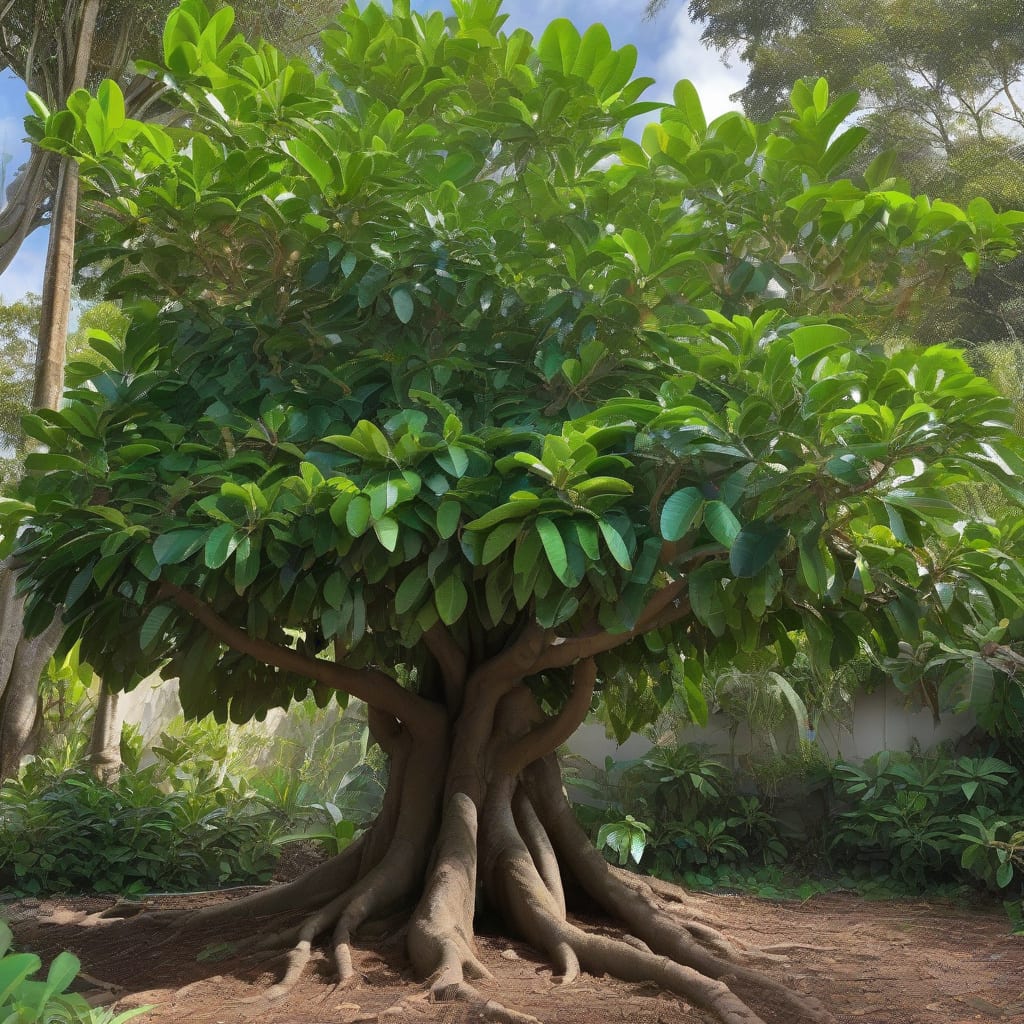
I’ve always been fascinated by the Guava Tree 🌴, a beautiful addition to any garden in USDA Zone 9b. Its growth potential is quite impressive, and understanding its height is crucial for proper planning.
Let’s explore how tall Guava Trees can grow and what factors influence their size, from variety to pruning practices, to help you make the most of these wonderful trees.

I’ve found that Guava Trees can grow to varying heights depending on several factors. The average height of a mature Guava Tree ranges from 15 to 30 feet, but some varieties can be more compact or taller.
The growth rate of Guava Trees is generally considered moderate, with young trees growing about 1-2 feet per year. Factors such as soil quality, climate, and pruning practices can significantly influence their growth.
The height of Guava Trees can be influenced by their rootstock. Some Guava Trees are grafted onto rootstocks that control their size, making them more suitable for smaller gardens. 🌴
Understanding these factors helps gardeners make informed decisions about planting and caring for their Guava Trees. By choosing the right variety and providing appropriate care, you can enjoy a healthy and productive tree.
Pruning techniques play a crucial role in managing the height of Guava Trees. Regular pruning not only helps control the tree’s size but also encourages fruiting and maintains overall tree health.
Guava Trees are generally evergreen, retaining their leaves year-round in suitable climates. This characteristic makes them a great choice for landscaping and gardening in appropriate regions.
The growth habits of Guava Trees can vary. Some trees grow more upright, while others have a spreading habit. Understanding the growth pattern of your specific variety helps in planning the garden layout.
In addition to their height, the width of Guava Trees is also an important consideration. Mature trees can spread out 15-20 feet, so adequate spacing is essential when planting multiple trees.
Climate conditions such as temperature and humidity affect Guava Tree growth. They prefer warm temperatures and can be sensitive to frost, which can impact their overall height and productivity.
By considering these factors and providing the right conditions, you can help your Guava Tree reach its full potential height while maintaining its health and productivity.
I focus on managing Guava Tree height to maximize fruit production while maintaining a healthy tree. Proper pruning techniques are essential for controlling the tree’s size and promoting fruiting.
Regular pruning helps maintain the desired height and encourages a balanced structure. I recommend pruning your Guava Tree annually to remove dead or damaged branches and to shape the tree.
Prune your Guava Tree in late winter or early spring before new growth begins. This timing helps minimize stress on the tree.
Remove any dead, diseased, or damaged branches to prevent the spread of disease and encourage healthy growth.
Thin out the center of the tree to allow light to penetrate and air to circulate, promoting healthy growth and fruit production.
Training methods also play a role in managing Guava Tree height. Techniques such as espaliering or using a trellis can help control the tree’s size and shape while maximizing space.
By implementing these pruning and training techniques, you can effectively manage your Guava Tree’s height and enjoy a bountiful harvest of delicious fruit.
Maintaining a Guava Tree’s height is an ongoing process that requires regular monitoring and adjustments. I recommend checking your tree regularly and making necessary pruning cuts to maintain its desired size and promote healthy growth.
Guava Trees are relatively low-maintenance compared to other fruit trees, making them a great choice for gardeners of all experience levels. With proper care and management, your Guava Tree can thrive and provide you with years of enjoyment and fruit production.
By understanding and implementing effective height management strategies, you can enjoy the many benefits of growing a Guava Tree in your garden, from its delicious fruit to its beautiful foliage and attractive flowers.
I’ve found that different Guava Tree varieties exhibit unique growth habits, making some more suitable for specific garden sizes and conditions. Understanding these differences helps gardeners choose the right variety for their needs.
The dwarf varieties are ideal for smaller gardens or container growing, as they remain relatively compact. Their height typically ranges from 8 to 12 feet, making them easier to manage and harvest.
Semi-dwarf varieties offer a balance between size control and fruit production. They grow to be 12-18 feet tall, making them suitable for medium-sized gardens.
Standard Guava Trees are the largest, reaching heights of 20-30 feet. They are best suited for spacious gardens where they have room to grow.
When choosing a Guava Tree variety, consider your available space and desired level of maintenance. Dwarf varieties require less pruning, while standard trees need regular pruning to manage their size.
Guava Trees are versatile and can thrive in various conditions, but their growth habits may vary. Understanding these differences helps in planning and caring for your Guava Tree effectively.
By selecting the appropriate variety based on your garden’s size and your maintenance preferences, you can enjoy a healthy and productive Guava Tree.
