
Beautiful Plants For Your Interior
Beautiful Plants For Your Interior
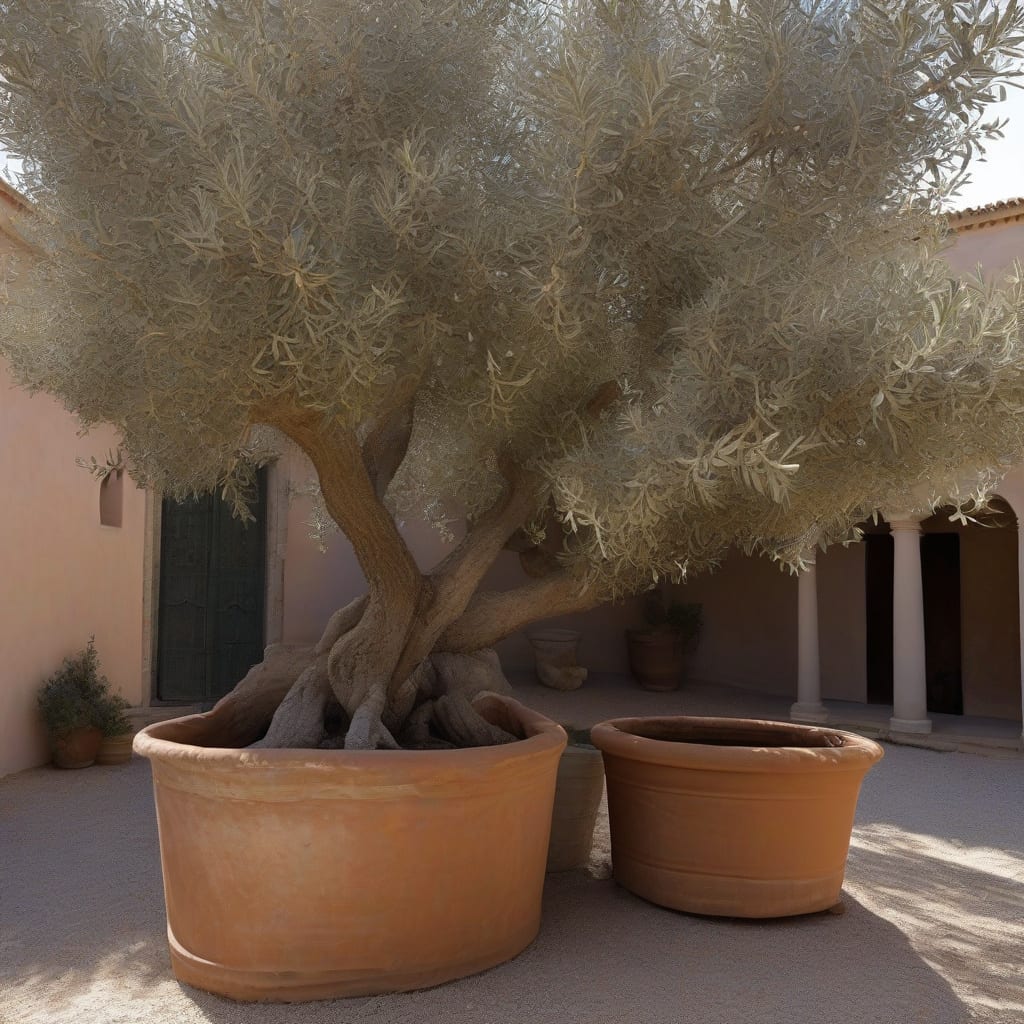
Growing an Olive Tree 🫒 in a pot can be a rewarding experience, but understanding its growth potential is key to success. Container size, soil quality, and pruning practices all play crucial roles in determining how tall your tree will grow.
In USDA Zone 6, you can expect careful management to be essential for optimal growth. Let’s explore the factors that influence the height of your Olive Tree and how to manage them effectively.


Growing olive trees in pots requires understanding the factors that influence their height. Container size, soil quality, pruning practices, and variety selection all play crucial roles in determining how tall your olive tree will grow.
The size of the container is particularly important as it affects root development. A larger pot allows for more root growth, which can support a taller tree. However, the container must also have proper drainage to prevent waterlogging.
Olive trees in containers typically grow between 6 to 10 feet tall, depending on the variety and growing conditions. Dwarf varieties are more suitable for container gardening, as they naturally remain smaller.
Soil quality significantly impacts olive tree growth. A well-draining potting mix is essential to prevent root rot and ensure healthy root development. Regular fertilization during the growing season also supports vigorous growth.
Pruning is a critical factor in managing olive tree height. Regular pruning helps maintain the desired shape and size, while also promoting healthy growth by removing dead or diseased branches.
The variety of olive tree selected for container growing is also crucial. Dwarf or compact varieties are bred for smaller spaces and naturally remain more compact, making them ideal choices for pot cultivation.
By understanding and managing these factors, you can successfully grow an olive tree in a container and control its height effectively. Proper care and attention to detail will result in a healthy and productive tree.
Maintaining the right balance between container size, soil quality, and pruning practices is key to achieving the desired height for your olive tree. With careful management, you can enjoy the benefits of growing this beautiful and productive tree in a pot.
Growing olive trees in pots not only provides aesthetic appeal but also allows for the production of delicious olives. With the right conditions and care, your container-grown olive tree can thrive and become a valuable addition to your garden or patio.
Selecting the appropriate container size is crucial for the healthy growth of olive trees in pots. A container that is too small can restrict root development, limiting the tree’s overall height and productivity.
The minimum pot size for olive trees should be considered based on the tree’s variety and growth potential. Generally, a container with a diameter of at least 24 inches and a depth of 18-24 inches is recommended for young olive trees.
Choose a container that is at least 2-3 times larger than the root ball of your olive tree to provide ample room for root growth.
When choosing a container, consider both depth and width. Olive trees have a deep root system, so a deeper pot can support better root development. However, the width of the container also matters, as it affects the tree’s stability and overall growth.
The material of the container is another important consideration. Terracotta and ceramic pots are popular choices for olive trees due to their breathability and aesthetic appeal. However, they can dry out quickly, so regular watering is essential.
Proper drainage is critical for olive tree health. Ensure your container has adequate drainage holes to prevent waterlogging, which can lead to root rot. You can also add a layer of gravel or broken pottery at the bottom of the pot to improve drainage.
By selecting the right container size and type, you can provide your olive tree with the best possible conditions for growth, ultimately influencing its height and productivity in a pot.
As your olive tree grows, you may need to transplant it into a larger container to accommodate its increasing size. This process should be done carefully to minimize root disturbance and ensure continued healthy growth.
Regular monitoring of your olive tree’s growth and adjusting its container size accordingly will help maintain its health and optimize its height potential.
Managing the height of olive trees in pots requires careful pruning and training techniques. Regular pruning helps control the tree’s height and maintain its desired shape.
To effectively prune your olive tree, start by removing any dead or diseased branches. This not only improves the tree’s appearance but also promotes healthy growth by preventing the spread of disease.
Cut off any branches that are dead, diseased, or damaged to maintain tree health and appearance.
Selectively remove branches from the center of the tree to improve air circulation and allow more sunlight to penetrate.
Trim back overgrown branches to maintain the desired shape and size of your olive tree.
Training your olive tree involves guiding its growth to achieve the desired structure. This can be done by tying branches to a stake or pruning them to encourage a more compact growth habit.
Regular monitoring and maintenance are key to keeping your olive tree healthy and at the desired height. By following these pruning and training tips, you can enjoy a thriving and productive olive tree in your container garden 🌿.
