
Beautiful Plants For Your Interior
Beautiful Plants For Your Interior
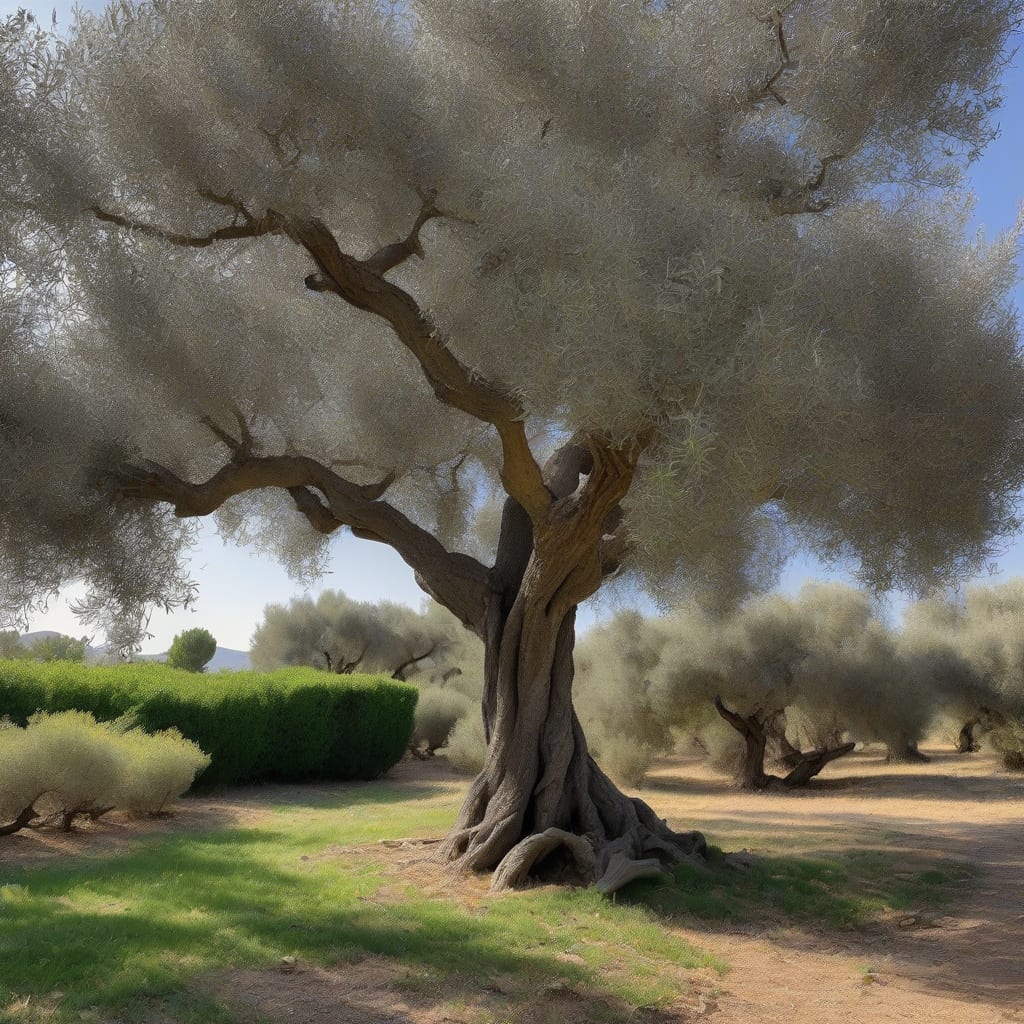
Olive trees 🫒 can be a stunning addition to any garden, but their growth patterns might surprise you. In ideal conditions, they can thrive for centuries, reaching impressive heights.
Understanding how tall your Olive Tree will grow is crucial for planning your garden space effectively. Let’s explore the factors that influence their height and what you can expect as they mature.


Olive trees are known for their remarkable longevity and ability to thrive in various conditions. However, their height can be influenced by several key factors. Understanding these elements is crucial for gardeners and landscapers who want to cultivate these beautiful trees.
The climate plays a significant role in determining the height of an olive tree. Trees grown in regions with mild winters and warm summers tend to grow more vigorously than those in areas with harsher conditions 🌞.
The soil quality is another critical factor. Olive trees prefer well-draining soil with a suitable pH, typically between 6.0 and 8.0. Poor soil conditions can limit the tree’s growth potential 🌱.
Tree variety significantly influences the maximum height. Dwarf varieties are bred to remain smaller, making them ideal for container gardening or smaller spaces. In contrast, standard olive trees can grow much taller, often reaching heights of 20 to 30 feet or more 🌳.
Maintenance practices, particularly pruning, play a vital role in controlling the height of olive trees. Regular pruning not only helps maintain a desired size but also promotes a healthier, more productive tree. Pruning can be done annually to keep the tree at a manageable height 🌿.
In addition to these factors, watering and fertilization practices can also impact the growth rate and overall health of the tree. Olive trees are relatively drought-tolerant but will grow more robustly with consistent moisture and appropriate fertilization 💧.
It’s also worth noting that olive trees are known for their slow growth rate. While they can live for centuries, their annual growth is typically modest, making them a good choice for long-term landscaping projects 🌲.
By understanding and managing these factors, gardeners can better predict and control the height of their olive trees, ensuring they remain a beautiful and productive part of the garden for years to come.
The height of olive trees can vary significantly based on the aforementioned factors. By choosing the right variety and providing optimal growing conditions, you can enjoy a thriving olive tree that fits your garden’s needs 🌻.
Regular monitoring and maintenance are key to managing the size and health of your olive tree. With the right care, these trees can be a stunning and fruitful addition to any landscape 🌟.
In conclusion, while olive trees have the potential to grow quite tall, their height is largely influenced by environmental and cultural factors. By understanding these influences, you can make informed decisions about planting and caring for your olive tree.
Olive trees are known for their impressive longevity and varying growth patterns. Understanding their average and maximum height helps gardeners plan their landscape effectively 🌳.
The typical height range for mature olive trees varies significantly based on factors like variety and growing conditions. On average, most olive trees grow between 15 to 25 feet tall 🌲.
Typically grow between 8 to 12 feet tall, making them ideal for container gardening or smaller spaces.
Usually reach heights of 12 to 18 feet, offering a balance between size and fruit production.
Can grow up to 20 to 30 feet or more in ideal conditions, making them suitable for larger landscapes 🌳.
In exceptional cases, ancient olive trees have been known to reach even greater heights, although such instances are rare and often the result of centuries of growth 🌟.
When planning your garden, it’s essential to consider the mature size of the olive tree variety you’re planting. This ensures you provide enough space for the tree to grow without becoming too crowded or requiring excessive pruning 🌿.
Regular monitoring and maintenance are crucial for managing the size and health of your olive tree. Proper care can help you achieve the desired height while promoting overall tree vigor 🌱.
By understanding the growth patterns and potential height of olive trees, you can make informed decisions about their placement in your garden, ensuring they remain a beautiful and productive part of your landscape for years to come 🌻.
Managing the size of your olive tree is crucial for maintaining its health and ensuring it fits well within your garden space. Proper care techniques can help control the tree’s height while promoting overall vigor 🌿.
Regular pruning is essential for controlling olive tree height and promoting healthier growth. Prune annually to maintain desired size and shape.
Pruning techniques are vital for managing olive tree size. By pruning regularly, you can maintain a desired height and encourage a bushier, more productive tree. Pruning should be done annually, focusing on removing dead or damaged branches and shaping the tree as needed ✂️.
Container growing is another effective method for controlling olive tree size. Dwarf varieties are particularly well-suited for container gardening, as they naturally remain smaller. Containers also allow for better control over soil quality and moisture levels, contributing to overall tree health 🌱.
Regular maintenance practices, including watering and fertilization, play a significant role in managing olive tree size. Consistent moisture and appropriate fertilization can promote healthy growth, while neglecting these aspects can lead to stress and potentially reduce the tree’s size 🌻.
By combining these techniques—pruning, container growing, and regular maintenance—you can effectively manage the size of your olive tree, ensuring it remains a beautiful and productive part of your garden for years to come 🌟.
