
Beautiful Plants For Your Interior
Beautiful Plants For Your Interior
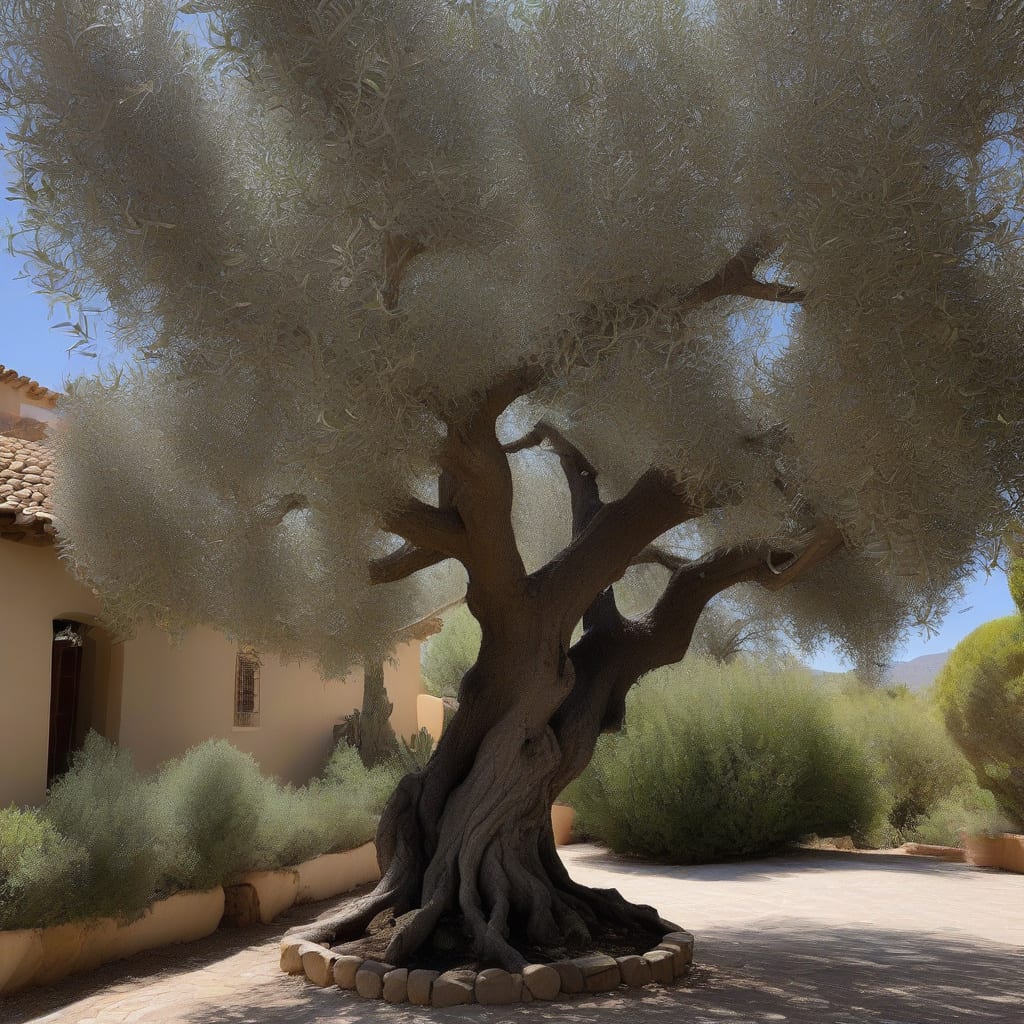
When I think about adding beauty and productivity to my garden, I immediately consider planting an Olive Tree 🫒. These stunning trees not only produce delicious fruit but can also grow to impressive heights.
In USDA Zone 6, understanding how tall Olive Trees can grow is crucial for planning your garden layout and ensuring proper care. Let’s explore the factors that influence their height and how to maximize their growth potential.

2-3 ft

4-6 ft

6-8 ft

15-25 ft
Olive trees are known for their remarkable ability to thrive in various conditions, but their height is influenced by several key factors. Understanding these factors is crucial for gardeners who want to optimize the growth of their olive trees.
The primary factors that affect how tall olive trees grow include climate, soil quality, and cultivation practices. Climate plays a significant role, as olive trees prefer mild winters and warm summers. Regions with frost-free conditions allow olive trees to grow taller, as they are not limited by cold temperatures.
Olive trees generally thrive in USDA Zone 6 and warmer, where they can grow up to 30 feet tall under ideal conditions. soil quality and cultivation practices are optimized. However, the actual height achieved can vary significantly based on the aforementioned factors.
For instance, olive trees grown in containers may not reach the same heights as those planted directly in the ground, due to limited root space. Similarly, trees subjected to regular pruning may have their height controlled to maintain a manageable size or to encourage fruit production.
Understanding these factors is essential for anyone looking to cultivate olive trees, whether for their aesthetic appeal or their delicious fruit. By optimizing the conditions and care provided to these trees, gardeners can help them reach their full potential height 🌳.
The ideal climate for olive trees includes long, hot summers and mild, wet winters. This climate allows the trees to thrive and grow tall, as they are not stressed by extreme temperatures or moisture levels.
In addition to climate, the quality of the soil is crucial. Olive trees prefer well-draining soil that is rich in nutrients. Poor soil conditions can limit the tree’s ability to grow tall and healthy.
Cultivation practices, including watering, fertilization, and pruning, also play a significant role in determining the height of olive trees. Proper care can encourage the trees to grow taller and stronger.
By considering these factors and adjusting care practices accordingly, gardeners can maximize the height potential of their olive trees, ensuring they remain healthy and productive for years to come 🌟.
To encourage olive trees to reach their maximum height potential, it’s essential to provide them with proper care and maintenance. This includes ensuring they receive adequate sunlight, water, and nutrients. Olive trees thrive in full sun, so choosing a location that receives at least 6 hours of direct sunlight daily is crucial 🌞.
Regular watering is also vital, especially during the tree’s early stages of growth. However, olive trees are drought-tolerant and can survive with minimal watering once established. It’s essential to strike a balance between providing enough moisture and avoiding overwatering, which can be detrimental to the tree’s health 💧.
Olive trees prefer well-draining soil to prevent root rot. Ensure your soil has good drainage or consider raised beds.
Feed your olive tree with a balanced fertilizer during the growing season to promote healthy growth.
Pruning is crucial for maintaining the tree’s shape and promoting fruiting. However, avoid over-pruning, as this can stress the tree.
In addition to these tips, it’s essential to monitor your tree’s health regularly. Look for signs of pests, diseases, or nutrient deficiencies, and take action promptly if you notice any issues 🌟.
By following these guidelines and providing your olive tree with the right conditions and care, you can help it reach its full height potential and enjoy a bountiful harvest for years to come 🌳.
Olive trees can grow quite tall, with some varieties reaching heights of up to 30 feet. However, with proper care and maintenance, you can encourage your tree to grow strong and healthy, maximizing its height potential.
To maximize the height of your olive tree, ensure it receives adequate nutrients through regular fertilization. A balanced fertilizer that contains equal parts nitrogen, phosphorus, and potassium is ideal.
Regular pruning is also necessary to maintain the tree’s shape and promote healthy growth. Prune your olive tree annually, removing any dead or damaged branches to prevent disease and encourage new growth 🌱.
Pruning is a crucial aspect of olive tree care that directly impacts their height and overall health. By pruning your olive tree regularly, you can control its height, promote a healthy structure, and encourage fruit production. The key is to prune judiciously, as over-pruning can stress the tree and negatively affect its growth 🌳.
Prune your olive tree annually to maintain its shape and promote healthy growth. Remove any dead or damaged branches to prevent disease and encourage new growth 🌱.
When pruning your olive tree, focus on removing suckers and water sprouts, as these can detract from the tree’s overall structure and promote unhealthy growth. Additionally, thinning out the center of the tree can improve air circulation and allow more sunlight to reach the fruiting branches 🌞.
It’s also essential to use the right pruning tools to avoid damaging the tree. Sharp, clean pruning shears or loppers are ideal for making precise cuts that heal quickly and minimize the risk of disease 🔧.
By incorporating regular pruning into your olive tree care routine, you can effectively manage its height and ensure it remains a beautiful and productive addition to your garden for years to come 🌟.
Regular pruning not only controls the height but also enhances the overall health of the tree by removing diseased or damaged branches, thus preventing the spread of disease.
Effective pruning strategies include pruning during the dormant season to minimize stress on the tree and maximize the benefits of pruning.
