
Beautiful Plants For Your Interior
Beautiful Plants For Your Interior
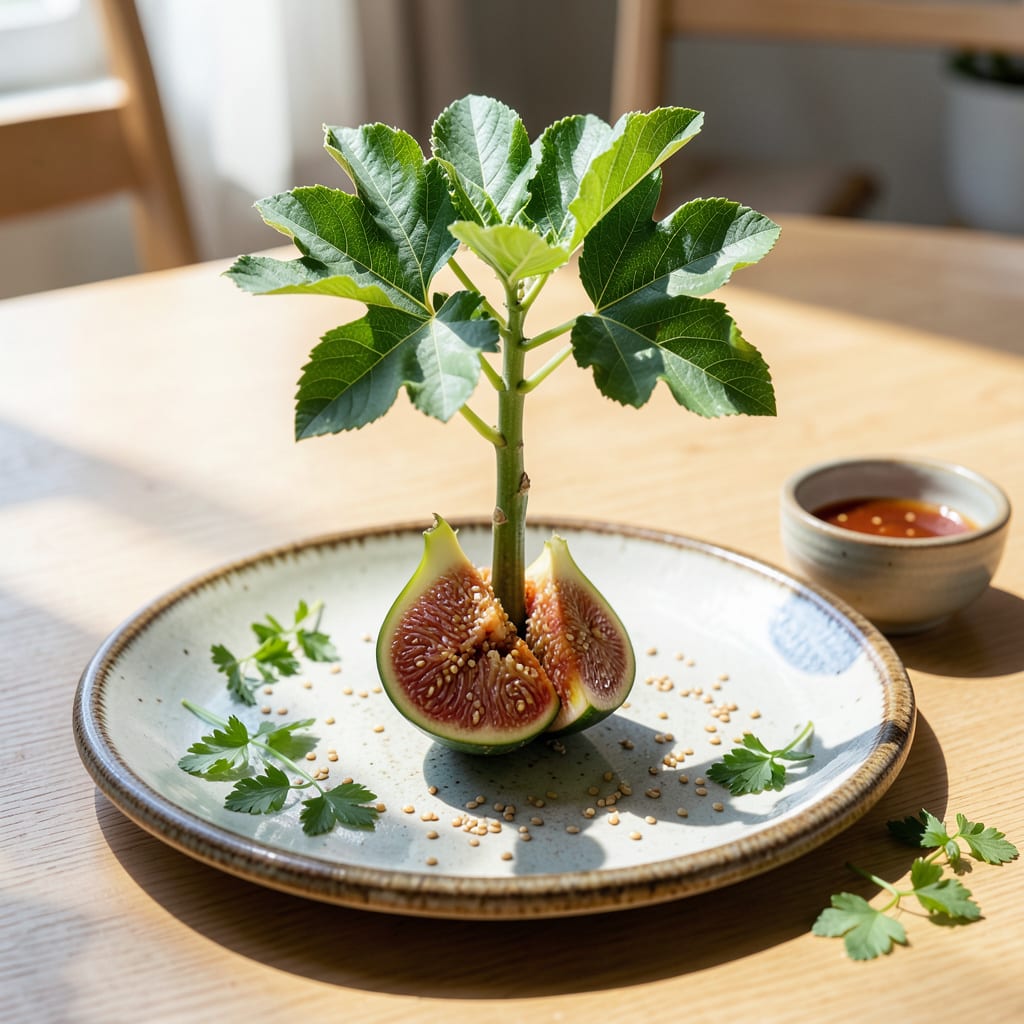
I’ve always been fascinated by the potential size of fig trees 🫐. Growing up, I saw these magnificent trees reaching impressive heights in my neighbor’s garden, and I wondered what factors influenced their growth.
Fig trees can grow to varying heights depending on factors like climate, soil quality, and pruning practices. In ideal conditions, they can reach 15-30 feet tall, making them a stunning addition to any landscape in USDA Zone 6.


I’ve found that understanding the factors that influence fig tree height is crucial for gardeners. The height of a fig tree can vary significantly based on several key elements.
The climate plays a significant role in determining fig tree height. Fig trees thrive in warmer climates with mild winters and long growing seasons. In areas with colder winters, fig trees may grow smaller or need protection to survive.
Soil quality is another critical factor. Fig trees prefer well-draining soil that is rich in organic matter. Poor soil conditions can limit the tree’s growth potential. Ensuring the soil is fertile and drains well can help the tree reach its maximum height.
The variety of fig tree also significantly impacts its height. Some fig tree varieties are naturally more compact, while others can grow quite tall. Choosing the right variety for your space is essential.
Pruning practices play a crucial role in controlling fig tree height. Regular pruning can help maintain a desired height and promote a healthier tree. Pruning techniques vary depending on the tree’s age and growth pattern.
Understanding these factors can help gardeners make informed decisions about planting and caring for their fig trees. By considering climate, soil quality, variety, and pruning practices, gardeners can optimize their fig tree’s growth and enjoy a bountiful harvest.
Fig trees are generally considered medium-sized trees, typically growing between 15-30 feet tall. Their growth rate and mature height can be influenced by the factors mentioned above 🌳.
To maximize the growth of your fig tree, it’s essential to provide optimal growing conditions. This includes ensuring the tree receives adequate sunlight, water, and nutrients. Regular maintenance, such as pruning and fertilizing, can also promote healthy growth.
By understanding the factors that influence fig tree height and providing proper care, gardeners can enjoy the many benefits of growing these remarkable trees. Whether you’re looking to grow a compact fig tree or a taller variety, careful planning and attention to detail can help you achieve your goals 🌟.
In conclusion, fig tree height is influenced by a combination of factors, including climate, soil quality, variety, and pruning practices. By understanding and managing these factors, gardeners can optimize their fig tree’s growth and enjoy a successful harvest.
I manage fig tree height through various techniques to ensure optimal growth and fruit production. The height of a fig tree can significantly impact its overall health and productivity.
One effective method for controlling fig tree height is through pruning. Pruning helps maintain a desired height, promotes healthy growth, and encourages fruiting. There are several pruning techniques to consider, including heading back and thinning out branches.
Prune your fig tree in late winter or early spring to control its height and promote new growth 🌱.
Remove any dead or damaged branches to maintain the tree’s health and appearance.
Thin out the center of the tree to allow more sunlight to reach inner branches 🌟.
Training methods can also be used to control fig tree height. Techniques such as espaliering or trellising can help manage the tree’s size and shape. These methods involve training the tree to grow along a support structure, which can be particularly useful for smaller gardens.
Container growing is another effective way to manage fig tree height. Growing a fig tree in a container can help restrict its root growth, which in turn can limit the tree’s overall height. Container-grown fig trees require regular pruning and fertilization to thrive.
By combining these techniques, gardeners can effectively manage their fig tree’s height and enjoy optimal growth and fruit production. Regular maintenance is key to keeping your fig tree healthy and productive 🌳.
In my experience, managing fig tree height requires a combination of pruning, training, and container growing. By understanding these techniques and applying them appropriately, gardeners can enjoy a bountiful harvest from their fig trees.
To achieve the best results, it’s essential to monitor your fig tree’s growth regularly and adjust your management strategies as needed. With proper care and attention, fig trees can thrive and provide delicious fruit for years to come 🍅.
By following these guidelines and staying committed to regular maintenance, you can successfully manage your fig tree’s height and enjoy its many benefits.
To maximize fig tree growth, I recommend providing optimal growing conditions and regular maintenance. Fig trees thrive in full sun and well-draining soil, making it essential to choose the right location for planting.
For optimal growth, ensure your fig tree receives adequate water and nutrients. Regular fertilization during the growing season can promote healthy growth and fruit production.
Fertilization is a critical aspect of fig tree care. Using a balanced fertilizer during the growing season can help promote healthy growth. I recommend fertilizing every 4-6 weeks during the spring and summer months.
Watering is another essential factor in fig tree growth. Fig trees prefer consistent moisture, especially during the fruiting stage. However, they are relatively drought-tolerant once established. Ensure the soil drains well to prevent waterlogged conditions.
In addition to proper watering and fertilization, pruning plays a crucial role in maintaining fig tree health and promoting fruit production. Regular pruning helps control the tree’s size and encourages new growth 🌱.
By following these expert tips and providing optimal care, you can enjoy a thriving fig tree that produces delicious fruit for years to come. Regular maintenance and attention to detail are key to maximizing your fig tree’s growth potential 🌟.
For further guidance on fig tree care, consider exploring additional resources on fig tree cultivation and gardening best practices. With the right knowledge and care, your fig tree can become a valuable addition to your garden.
