
Beautiful Plants For Your Interior
Beautiful Plants For Your Interior
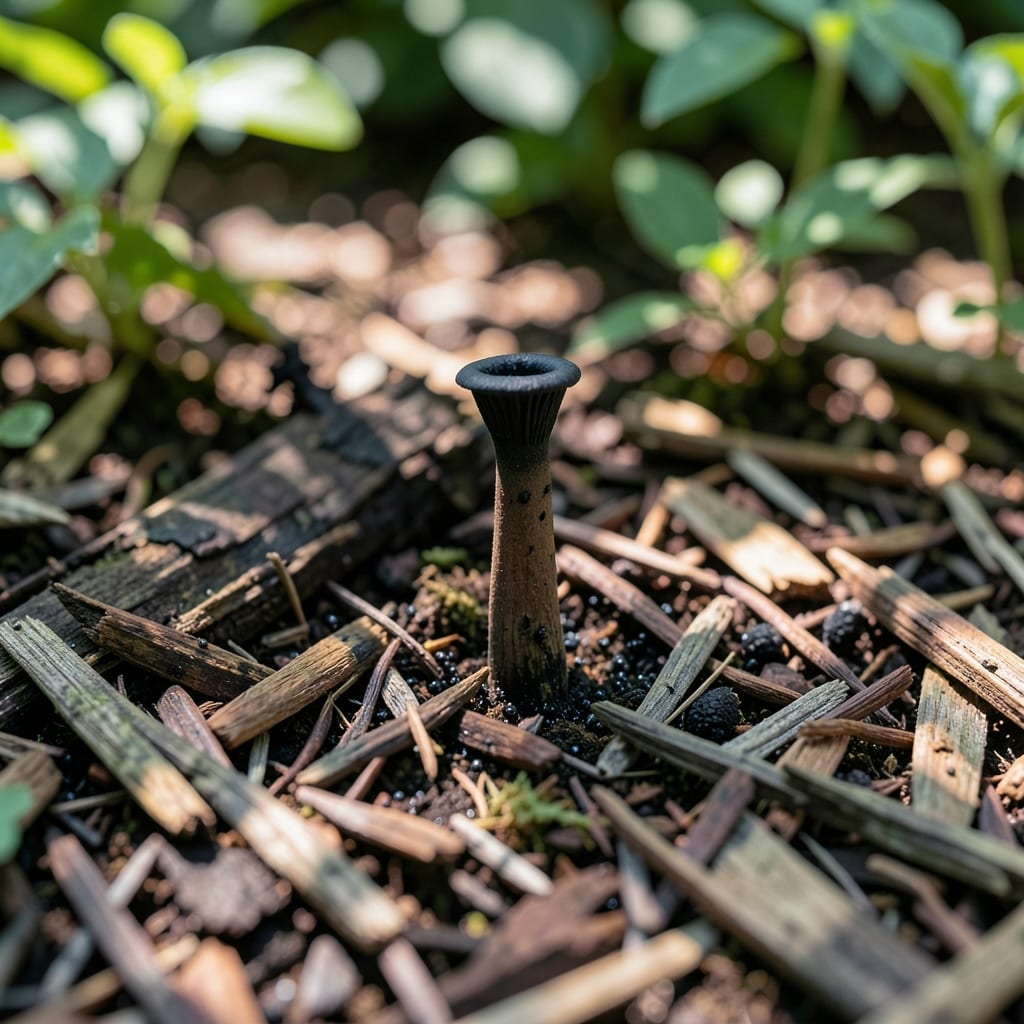
Artillery fungus is not directly harmful to humans but can cause skin irritation or allergic reactions in sensitive individuals. Its spores may stain surfaces and are difficult to remove, posing more of a nuisance than a health threat.
I’ve seen how its sticky spores can cling to siding, cars, and patio furniture, leaving dark spots that resemble tar. While it doesn’t pose serious health risks, the stains can be stubborn, often requiring specialized cleaners or pressure washing. For those with allergies, direct contact might trigger mild reactions, so wearing gloves during cleanup is wise. ✨
💡 In This Article
The sticky spores of this fungus contain melanin, the same pigment that gives human skin its color. This compound makes the spores incredibly durable and resistant to removal, which is why they cling so tenaciously to surfaces.
When these spores come into contact with skin, the melanin and other compounds can trigger an immune response in sensitive individuals, leading to redness, itching, or mild dermatitis.
Research from the University of Florida shows that while artillery fungus spores are not toxic, their small size (10-20 microns) allows them to become airborne easily. Inhaling these spores in large quantities may cause mild respiratory irritation, particularly for those with asthma or allergies.
However, such cases are rare and typically require prolonged exposure in heavily infested areas. ✨
What makes these spores particularly troublesome is their adhesiveness. They contain a glue-like substance that hardens upon contact with surfaces, making them resistant to both water and typical cleaning agents.
This is why they create those notorious dark, tar-like stains on siding, vehicles, and outdoor furniture that can be nearly impossible to remove without specialized treatments. 🔥
The fungus itself, Sphaerobolus stellatus, thrives in moist, organic environments like mulch, wood chips, or decomposing plant material. Its reproductive mechanism is fascinating: it shoots its spore-containing gleba (a sticky mass) up to 20 feet through the air at speeds of about 25 mph, which is how it spreads so effectively to nearby surfaces.
For most people, the primary concern isn’t health but property maintenance. The spores won’t damage the structural integrity of your home or vehicles, but their unsightly appearance can significantly impact curb appeal. Homeowners often report spending hours scrubbing affected areas, only to find the stains persist without professional-grade cleaners or techniques. ⚡
In rare cases, individuals with severe mold allergies might experience more pronounced reactions. The American Academy of Allergy, Asthma & Immunology notes that symptoms could include sneezing, watery eyes, or nasal congestion when exposed to large concentrations of fungal spores, though artillery fungus specifically is not a major allergen compared to more common indoor molds.
Yes, direct contact may cause mild irritation or rashes in sensitive individuals. The spores contain melanin and adhesive compounds that can trigger allergic reactions. Always wear gloves when handling affected areas.
Generally yes, but those with asthma or mold allergies might experience mild respiratory irritation. The spores are small (10-20 microns) and airborne, so prolonged exposure in infested areas could cause issues.
No, it won’t harm structural integrity, but the sticky spores create stubborn black stains. These often require specialized cleaners or pressure washing to remove from siding, decks, or vehicles.
The fungus can launch its spore masses up to 20 feet at speeds of 25 mph. This impressive range is why it often appears on surfaces far from its growing medium.