
Beautiful Plants For Your Interior
Beautiful Plants For Your Interior
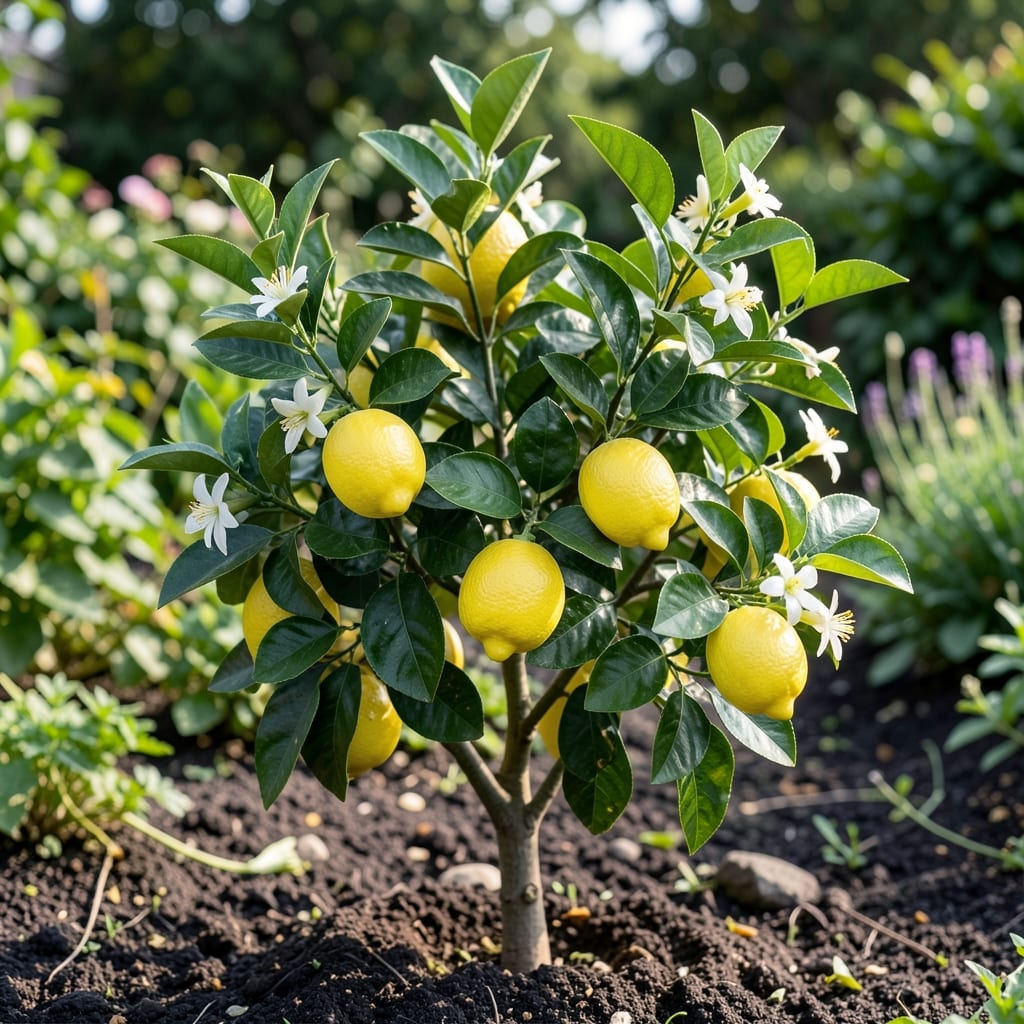
Lemon leaf margin issues often indicate disease or deficiency. Common signs include yellowing, browning, or curling edges, typically caused by fungal infections, nutrient imbalances, or environmental stress.
I see these margin problems often in citrus care, and they usually signal the plant is struggling to absorb what it needs. Fungal pathogens like Alternaria or Phytophthora thrive in damp conditions, while deficiencies in magnesium or zinc create distinct discoloration patterns. 🌟
Early detection is your best defense, so I check leaves regularly for subtle changes.
💡 In This Article
Lemon trees with margin issues often show distinct visual patterns that reveal the underlying problem. Alternaria leaf spot creates concentric brown rings with yellow halos, while Phytophthora causes irregular water-soaked lesions that expand rapidly in wet conditions. These fungal pathogens thrive when humidity exceeds 70% and temperatures stay between 68-86°F. 🔥
Nutrient deficiencies manifest differently—magnesium deficiency produces yellow margins with green centers, often on older leaves first. Zinc deficiency shows as small, irregular yellow spots between veins that eventually merge. Both conditions worsen in alkaline soils with pH above 7.5, where root uptake becomes inefficient. ✨
Environmental stressors like drought or waterlogging create margin scorch that appears as dry, papery edges. This happens because water stress disrupts nutrient transport to leaf margins first, as these areas are farthest from the vascular system. I’ve seen this develop within 48-72 hours of extreme conditions. 💫
Early warning signs include subtle color changes or tiny spots before full margin discoloration occurs. Alternaria typically starts as pinpoint black dots, while Phytophthora begins with water-soaked patches. Magnesium deficiency often appears as interveinal chlorosis on lower leaves before affecting margins.
For accurate diagnosis, examine leaf undersides for fungal spores and test soil pH. Alternaria spores appear as dark, velvety growth, while Phytophthora may show white fungal strands. Soil tests revealing pH above 7.2 often indicate potential nutrient uptake issues. 🌟
Brown margins often signal drought stress or salt buildup in soil. Check if the soil is dry 2 inches down or if you’ve over-fertilized recently. Water deeply to flush excess salts.
If older leaves show yellow edges with green centers, it’s likely magnesium deficiency. Test soil pH—above 7.2 blocks uptake. Apply 1 tablespoon Epsom salts per foot of height.
Remove leaves with severe margin damage immediately to prevent spread. Use clean shears and prune on dry days. Never remove more than 1/3 of foliage at once.
Neem oil treats mild Alternaria but may not stop aggressive Phytophthora. For water-soaked lesions, switch to copper fungicide and improve drainage. Reapply after rain.