
Beautiful Plants For Your Interior
Beautiful Plants For Your Interior
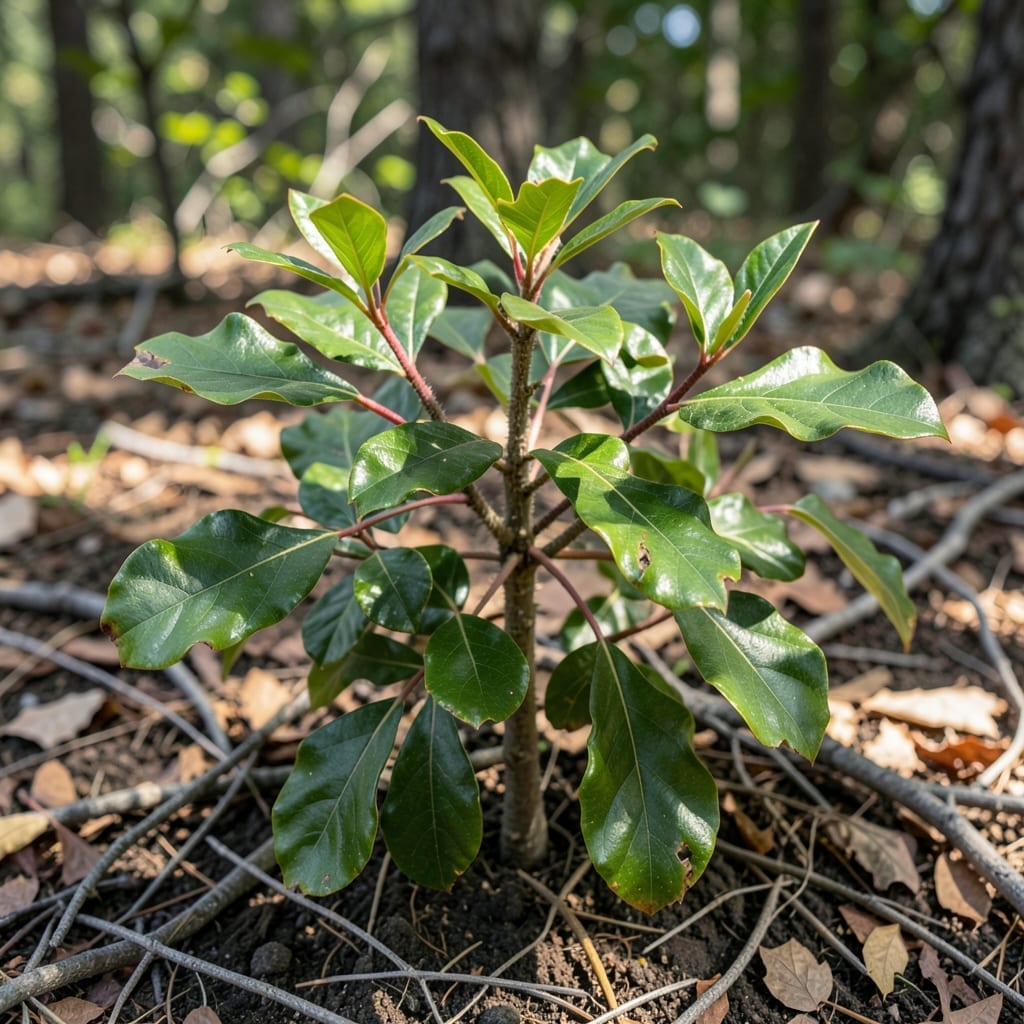
Poison oak always has three leaflets per cluster, never five. The old saying ‘leaves of three, let it be’ applies here. Five-leaf groupings indicate a different plant, often harmless.
I’ve seen many hikers confuse poison oak with harmless plants, but the three-leaflet pattern is the most reliable identifier. The middle leaflet often has a longer stem, and edges can appear wavy or lobed. What’s tricky is that color varies by season—bright green in spring, reddish in fall. Always double-check before touching. 🔥
💡 In This Article
Poison oak’s botanical structure follows a strict trifoliate pattern, meaning each cluster produces exactly three leaflets. This isn’t random—it’s a genetic trait shared across all Toxicodendron diversilobum species. The center leaflet typically has a slightly longer stem, creating an asymmetrical appearance that’s visible even from a distance.
Leaf edges provide another key identifier. Western poison oak often displays lobed edges resembling oak leaves, while Eastern varieties show smoother, wavy margins. The surface texture can appear glossy or dull depending on the season, with spring leaves being more vibrant and fall foliage turning deep red or orange.
These variations help explain why the plant can look so different throughout the year. 🌟
Color changes aren’t just aesthetic—they signal chemical shifts. In spring, new growth contains higher concentrations of urushiol, the oil responsible for allergic reactions. As leaves mature, they develop a leathery texture that helps the plant retain moisture during dry summer months. This adaptation also makes the leaves appear thicker than many lookalike plants.
The three-leaf pattern serves an evolutionary purpose. It maximizes sunlight exposure while minimizing water loss through transpiration. Each leaflet can measure 2-4 inches long, with the entire cluster spanning up to 8 inches across.
This consistent sizing helps distinguish it from plants like Virginia creeper, which may have similar leaf shapes but grow in different configurations.
What many overlook is the stem arrangement. Poison oak leaflets connect to a single central stalk, never directly to the main vine. This pinnate venation pattern creates a feather-like appearance. The undersides often show lighter coloring and tiny hairs, especially in younger plants.
These details become crucial when comparing to harmless five-leaf plants that might share the same habitat. ✨
Five-leaf plants like Virginia creeper are entirely different species. Poison oak’s three-leaflet pattern is genetically consistent. The extra leaves on other plants come from different growth structures, not variations of poison oak.
No, poison oak will always have exactly three leaflets per cluster. Any plant with more is not poison oak. This rule holds true for all varieties across all regions and seasons.
First, count the leaflets. If there are three, check for wavy or lobed edges and a longer stem on the center leaf. The “leaves of three, let it be” rule remains the most reliable method.
Poison ivy also follows the three-leaflet rule. However, some toxic plants like poison sumac have 7-13 leaflets arranged in pairs. Always count carefully and avoid touching unfamiliar plants.