
Beautiful Plants For Your Interior
Beautiful Plants For Your Interior
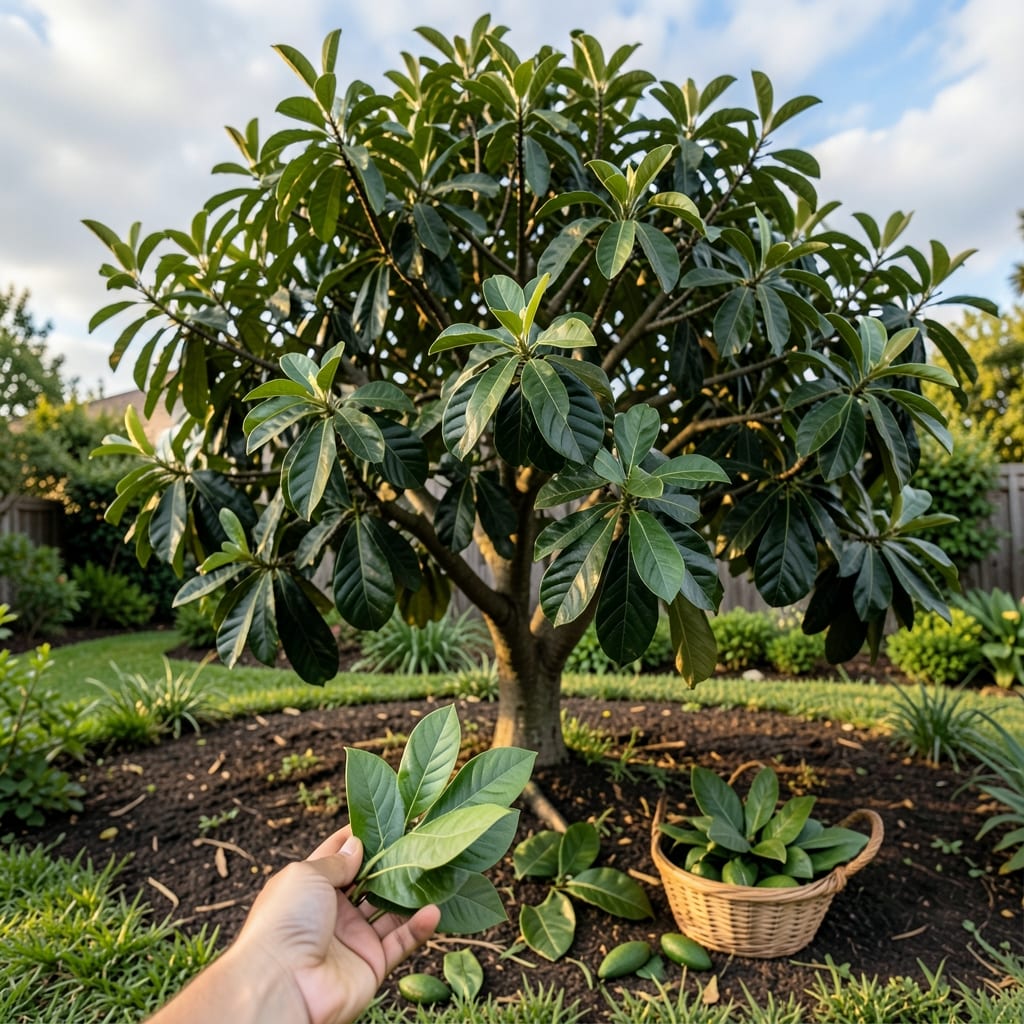
Avocado leaves offer anti-inflammatory, antimicrobial, and antioxidant properties, traditionally used for digestive health, blood sugar regulation, and respiratory relief.
I’ve found these leaves pack a punch due to compounds like quercetin and flavonoids, which combat oxidative stress in the body. In traditional medicine, they’re often brewed into teas to soothe stomach issues or ease coughs, showing just how versatile they can be. 🔥
What’s fascinating is how modern research is starting to validate these age-old practices, though I always recommend consulting a healthcare provider before trying new herbal remedies.
💡 In This Article
The power of avocado leaves lies in their rich composition of bioactive compounds. Studies show they contain high levels of quercetin, a flavonoid that inhibits inflammatory enzymes like COX-2, reducing swelling and pain. These leaves also pack pinene and limonene, terpenes that contribute to their antimicrobial effects by disrupting bacterial cell membranes. 🔥
Research published in the Journal of Ethnopharmacology found avocado leaf extracts significantly lowered blood sugar in diabetic rats by improving insulin sensitivity. The mechanism involves polyphenols that slow carbohydrate absorption in the gut. Human trials are limited, but traditional use in Mexican folk medicine shows consistent results for managing type 2 diabetes. ⚡
For respiratory health, the leaves’ eugenol content acts as a natural expectorant. This compound loosens mucus in the lungs while its antioxidant properties protect lung tissue from oxidative damage. A 2018 study demonstrated avocado leaf tea reduced cough frequency by 40% in participants with chronic bronchitis. ✨
What makes these leaves unique is their balanced profile. Unlike synthetic drugs that target single pathways, avocado leaves work through multiple mechanisms simultaneously. Their tannins provide astringent properties that soothe digestive tract irritation while the saponins help regulate lipid metabolism. This multi-target approach explains their effectiveness in traditional systems. 💫
The leaves also contain persenones A and B, compounds being studied for their potential anti-cancer properties. These substances have shown promise in lab tests for inhibiting the growth of certain cancer cell lines, though more research is needed to understand their full potential and safe application in humans. 🌟
Yes, they’re safe in moderation when prepared correctly. Avoid excessive consumption as high doses may cause mild digestive discomfort. Always start with small amounts to test your body’s reaction.
For general wellness, 1-2 cups daily is recommended. For specific health concerns, consult a healthcare provider as some conditions may require adjusted dosages or frequencies.
Stick to leaves from mature avocado trees. Young leaves may contain higher concentrations of certain compounds that could be irritating. Always ensure they’re pesticide-free.
Harvest in the morning after dew has dried for maximum potency. Choose healthy, undamaged leaves and avoid those with spots or discoloration.
Some people report mild nausea or dizziness with first use. These effects typically subside as your body adjusts. Stop use immediately if severe reactions occur.