
Beautiful Plants For Your Interior
Beautiful Plants For Your Interior
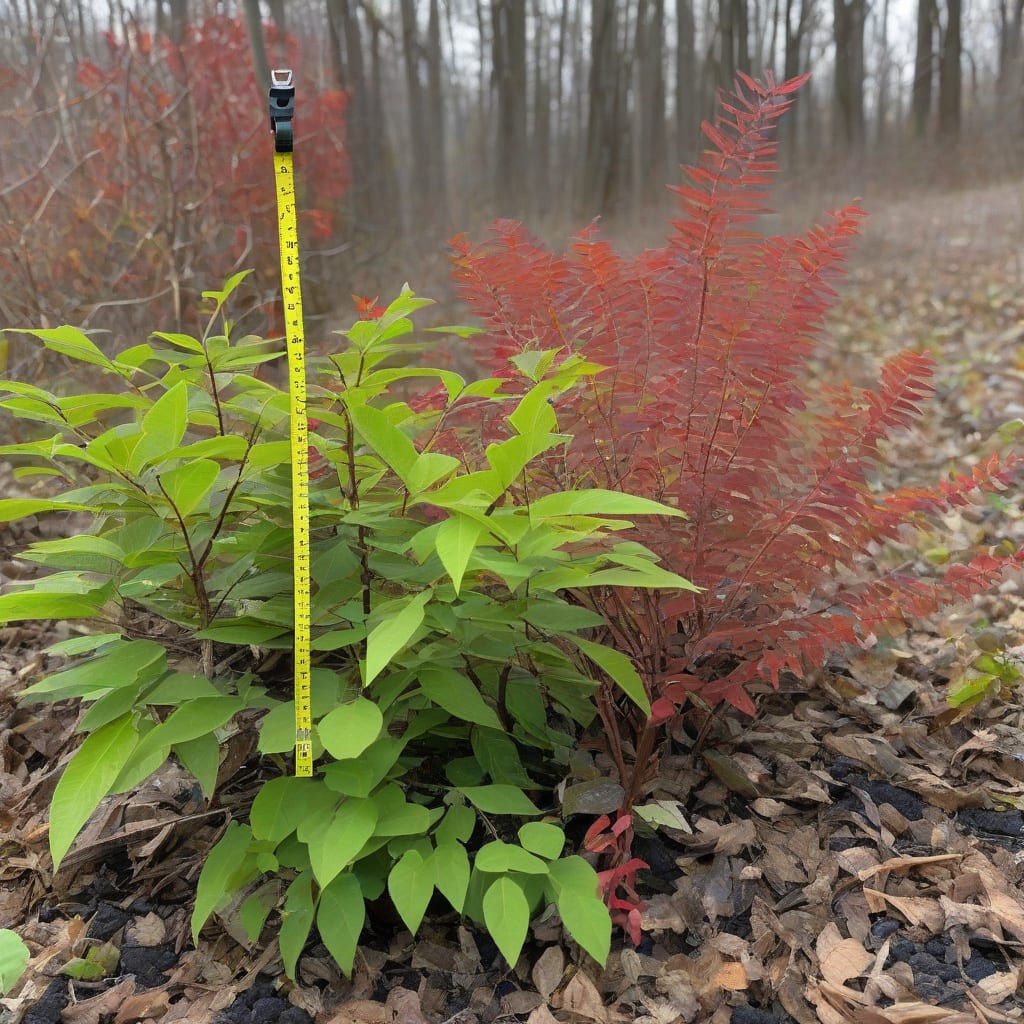
When dealing with Poison Sumac 🌿, understanding its growth patterns is crucial for safe handling and removal. This toxic shrub can grow quite tall, reaching heights that make it a significant concern for property owners.
In USDA Zone 6, Poison Sumac typically grows between 6-20 feet tall, making it a substantial presence in any landscape. Knowing what to expect can help you manage it effectively and avoid exposure to its irritating sap.


Poison sumac is a toxic shrub that can grow to varying heights depending on environmental conditions. In general, it can reach heights between 6-20 feet, making it a significant presence in any landscape 🌿.
The height of poison sumac is influenced by several factors including soil quality, sunlight, and moisture levels. Understanding these factors can help you manage its growth and prevent exposure to its toxic sap.
The typical height range of poison sumac is between 6-20 feet, with some plants growing taller in ideal conditions. This height range makes it a substantial presence in any landscape.
Poison sumac’s growth habits are influenced by its environment. In areas with rich, moist soil and partial shade to full sun, it can grow more vigorously.
The plant’s height is also affected by its moisture levels. Consistent moisture supports taller growth, while dry conditions can limit its height.
In USDA Zone 6, poison sumac typically grows between 6-20 feet tall. This height range is typical for the species in this region.
Understanding the factors that influence poison sumac’s height can help you manage its growth and prevent exposure to its toxic sap.
By recognizing the factors that affect poison sumac’s height, you can take steps to manage its growth and minimize the risk of exposure.
Poison sumac is a shrub that can grow quite tall, reaching heights that make it a significant concern for property owners. Its height is influenced by several factors, including soil quality, sunlight, and moisture levels.
To manage poison sumac effectively, it’s essential to understand its growth patterns and the factors that influence its height. This knowledge can help you take steps to prevent exposure to its toxic sap and manage its growth.
By understanding the typical height range of poison sumac and the factors that influence its growth, you can take a proactive approach to managing this toxic shrub.
Poison sumac is a toxic shrub that can be challenging to identify due to its varying appearance at different growth stages. Understanding its visual characteristics is crucial for safe handling and removal 🌿.
The plant’s leaf structure, bark appearance, and height variations change as it matures from a sapling to a mature shrub. Recognizing these changes can help you identify poison sumac and take necessary precautions.
Identifying poison sumac at different growth stages is essential for safe handling and removal. By recognizing its visual characteristics, you can take necessary precautions to avoid exposure to its toxic sap.
The plant’s appearance changes significantly as it matures, making it crucial to understand its growth patterns. This knowledge can help you manage poison sumac effectively and prevent exposure to its toxic sap 🌿.
By understanding the visual characteristics of poison sumac at different growth stages, you can take a proactive approach to managing this toxic shrub.
Poison sumac’s growth habits and appearance make it a significant concern for property owners. Understanding its growth patterns is crucial for safe handling and removal.
To manage poison sumac effectively, it’s essential to understand its growth patterns and visual characteristics at different stages. This knowledge can help you take steps to prevent exposure to its toxic sap and manage its growth.
When dealing with tall poison sumac, safety should be your top priority. The plant’s toxic sap can cause severe skin irritation and other health issues, making it essential to take proper precautions during removal 🌿.
Before starting the removal process,
When removing tall poison sumac, wear protective clothing, including long sleeves, gloves, and a mask, to prevent exposure to the toxic sap.
To remove tall poison sumac safely, you can use several methods. One effective approach is to cut the plant at its base using a saw or pruning shears. This will help prevent the sap from spreading to other areas.
After cutting the plant, it’s essential to dispose of the cut material properly. Wrap the cut sections in plastic bags or containers to prevent the sap from leaking onto other surfaces.
Another crucial step is to clean your tools and equipment thoroughly after use. Use soap and water to remove any remaining sap, and consider using a specialized cleaning solution to ensure all residue is removed.
By following these safe removal techniques, you can minimize the risk of exposure to poison sumac’s toxic sap and ensure a safe and effective removal process 🌿.
It’s also important to note that if you’re not comfortable removing the poison sumac yourself, you can consider hiring a professional to do the job for you. They will have the necessary equipment and expertise to handle the removal safely.
