
Beautiful Plants For Your Interior
Beautiful Plants For Your Interior
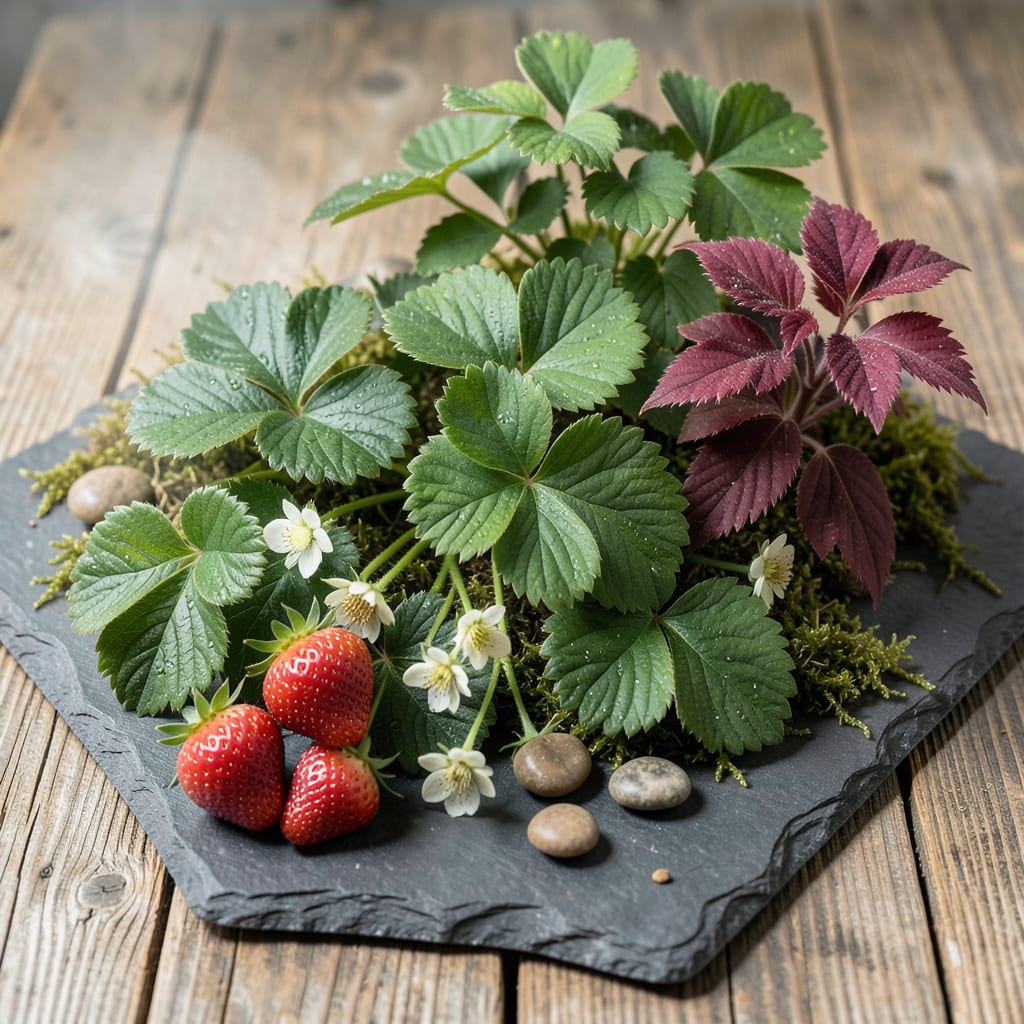
I used to panic every time I saw three leaves together in my garden. Turns out, most of those plants were harmless look-alikes, not poison ivy.
The real culprit has glossy leaves, a middle leaf with a longer stem, and that telltale itchy oil. Once you know the differences, you can garden with confidence—not fear.
📚 In This Guide
Here’s how to tell harmless lookalikes from the dangerous stuff with absolute confidence.
Start by counting the leaflets—true poison ivy always has three glossy leaflets on a single stem. But so do many harmless plants. The key is texture: poison ivy leaves are smooth and shiny on top with a slightly hairy underside. If the leaves feel fuzzy all over or have a matte finish, you’re likely looking at something safe like boxelder or Virginia creeper.
I always check the middle leaflet too. On poison ivy, it often has a longer stem than the side leaflets, making the cluster look slightly asymmetrical. Safe plants usually have more uniform leaflet stems. When in doubt, don’t touch—observe from a distance first.
Poison ivy vines have a distinctive hairy, rope-like appearance that can look fuzzy or shaggy, especially on older growth. Young stems might appear smooth but still have that signature reddish tint. Compare this to harmless plants like raspberry canes, which have thorny stems and a more rigid, upright growth habit.
Another giveaway is how it grows: poison ivy often climbs trees or spreads along the ground in dense mats. If you see a plant with three leaflets growing upright from a single woody stem, it’s probably not poison ivy. I’ve found that boxelder seedlings, for example, grow more like small trees than vines.
Poison ivy produces white, waxy berries in fall and early winter that birds love to eat. These berries grow in loose clusters along the vine. If you see red or black berries, you’re likely looking at a different plant entirely—Virginia creeper has blue-black berries, while wild raspberry has red ones.
The flowers also differ: poison ivy has small, greenish-white flowers that grow in clusters from the leaf axils. Many safe lookalikes have more showy flowers or none at all. I make a habit of checking for these seasonal clues, especially in spring and fall when identification is easiest.
Poison ivy spreads aggressively, often forming thick ground covers or climbing high into trees. It thrives in partially shaded areas with moist soil. In contrast, harmless plants like strawberry or clover with three leaflets grow in more contained patches and prefer sunnier spots.
I’ve noticed that poison ivy leaves also change color dramatically with the seasons—bright red in spring, deep green in summer, and vibrant orange or yellow in fall. If the plant maintains the same leaf color year-round, it’s probably not poison ivy. Always look at the bigger picture: growth habit, location, and seasonal changes together.
When examining plants, I wear long sleeves and use a stick to gently move leaves aside for a better look. Safety first—even experts can be fooled by variations in appearance.
Small details make the difference between confidence and caution when identifying plants.
Leaflet Texture Check: In Step 1, don’t just count the three leaflets—run your fingers gently over the surface (from a safe distance). Poison ivy’s top side feels smooth and glossy, while the underside has fine hairs. If the entire leaf feels uniformly fuzzy or dull, you’re likely looking at a harmless plant like boxelder.
Stem Examination: Step 2 mentions poison ivy’s hairy, rope-like vines, but here’s what nobody tells you—young stems can appear smooth. Look for that distinctive reddish tint even on new growth. Raspberry canes, by contrast, have obvious thorns and grow upright rather than climbing.
Seasonal Clues: The color changes described in Step 4 are key. Poison ivy turns bright red in spring, deep green in summer, and fiery orange or yellow in fall. If you see a plant with three leaflets maintaining the same color year-round, it’s almost certainly not poison ivy. I learned this the hard way after mistaking a Virginia creeper for poison ivy in winter.
Safety Protocol: Always follow the advice in the final paragraph of Step 4: wear long sleeves and use a stick to move leaves. Even experienced foragers get fooled by variations. I keep a small magnifying glass in my gardening kit to examine leaf textures without touching.
No! Many harmless plants, like raspberry canes or boxelder saplings, also have three leaflets. Always check for poison ivy’s glossy leaves, red stems, and alternating leaf pattern to confirm.
Virginia creeper has five leaflets (not three) and a rough texture. Poison ivy’s middle leaflet has a longer stem, and its edges may be smooth or toothed. When in doubt, avoid touching!
Spring to early fall is ideal, as the plant is actively growing. In winter, leafless vines with hairy, rope-like stems can still cause rashes. Always wear gloves when inspecting.
Yes! Boston ivy and wild strawberry plants have three leaflets but are harmless. Learn their unique traits—like Boston ivy’s bright fall colors—to avoid confusion.
Wash the area immediately with soap and cool water. Avoid scratching, and monitor for a rash. If a reaction occurs, use calamine lotion or consult a doctor.
